





As people age, visiting a clinic or hospital can become increasingly difficult due to physical limitations, chronic illnesses, or lack of mobility. In a busy city like Chicago, traveling for healthcare is not always easy—especially for seniors who require regular medical attention.
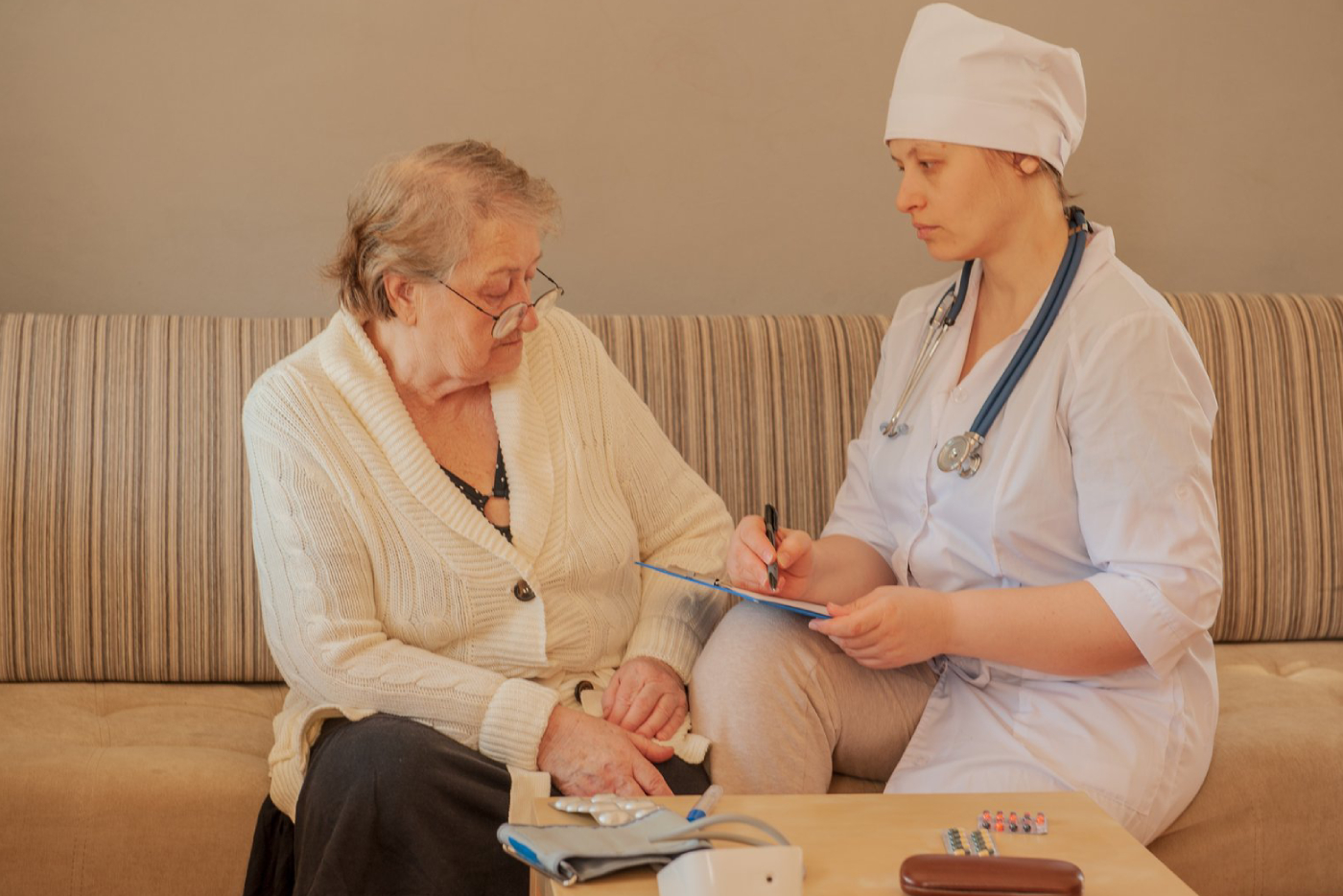
This is where home visit doctors become an essential part of modern healthcare. They bring medical care directly to the patient’s home, offering comfort, safety, and personalized attention.
But many families are unsure about when exactly they should choose a home visit doctor. In this blog, we will explain the key situations where home healthcare is the best option for seniors.
1. When Mobility Becomes Limited
One of the clearest signs that a home visit doctor is needed is reduced mobility.
This includes seniors who:
- Have difficulty walking
- Use walkers or wheelchairs
- Experience frequent fatigue
- Have severe joint pain or arthritis
Traveling to a clinic in such conditions can be physically exhausting and even risky.
Home visits eliminate travel stress and ensure medical care is still accessible.
2. When Chronic Conditions Need Regular Monitoring
Seniors with long-term health conditions often require frequent checkups.
Common chronic illnesses include:
- Diabetes
- High blood pressure
- Heart disease
- COPD (lung disease)
Home visit doctors help by:
- Monitoring vital signs
- Adjusting medications
- Tracking disease progress
- Preventing complications
This ensures stable long-term health management without repeated clinic visits.
3. After Hospital Discharge
After a hospital stay, seniors often need continued medical care at home.
Home visit doctors are ideal for:
- Post-surgery recovery
- Infection monitoring
- Wound care
- Pain management
They ensure the patient recovers safely and avoid unnecessary readmissions.
4. When Frequent Hospital Visits Become Exhausting
If a senior is visiting hospitals or clinics too often, it may be time to switch to home care.
Frequent visits may indicate:
- Poor disease control
- Weak immunity
- Mobility challenges
- Fatigue or weakness
Home visits provide continuous care, reducing the need for repeated travel.
5. When Multiple Medications Are Involved
Many seniors take several medications daily, which increases the risk of:
- Drug interactions
- Side effects
- Confusion in dosage
Home visit doctors can:
- Review all medications
- Adjust dosages safely
- Eliminate unnecessary drugs
- Simplify treatment plans
This improves medication safety significantly.
6. When Memory or Cognitive Issues Appear
Seniors experiencing memory problems may struggle to manage clinic visits independently.
Warning signs include:
- Forgetfulness
- Confusion about appointments
- Difficulty following instructions
- Early dementia symptoms
Home doctors can assess cognitive health in a familiar environment, making diagnosis and care easier.
7. When There Is Risk of Falls or Injury
Seniors at risk of falling should avoid unnecessary travel.
Risk factors include:
- Weak muscles
- Poor balance
- Vision problems
- Previous falls
Home visits ensure medical care without exposing seniors to dangerous mobility situations.
8. When Family Caregivers Are Overwhelmed
Caring for an elderly family member can be physically and emotionally demanding.
Home visit doctors help by:
- Providing medical guidance
- Supporting caregivers
- Reducing emergency stress
- Offering structured care plans
This improves the overall caregiving experience for families.
9. When Infections Need to Be Avoided
Seniors with weak immune systems should avoid crowded healthcare environments.
Home care reduces risk by:
- Avoiding hospital exposure
- Preventing contact with sick patients
- Providing care in a clean home environment
This is especially important for seniors with chronic illnesses.
10. When Daily Activities Become Difficult
If seniors struggle with basic tasks, home care becomes essential.
These tasks include:
- Bathing
- Dressing
- Cooking
- Taking medications
A home visit doctor can evaluate the situation and recommend appropriate care support.
11. When Emotional or Mental Health Declines
Mental health conditions such as depression or anxiety can make travel difficult.
Home visit care helps seniors who:
- Feel isolated
- Experience anxiety
- Have mood changes
- Avoid social interaction
Being treated at home provides emotional comfort and stability.
12. When Emergency Prevention Is Needed
Seniors at high risk of medical emergencies benefit greatly from home monitoring.
Doctors can:
- Track vital signs regularly
- Identify warning symptoms early
- Adjust treatments quickly
- Prevent hospital admissions
This proactive approach improves safety and reduces risk.
13. When Transportation Is a Challenge in Chicago
In a large city like Chicago, transportation can be a barrier for seniors.
Challenges include:
- Long travel distances
- Weather conditions
- Traffic congestion
- Lack of caregiver availability
Home visits remove these barriers completely.
14. When Personalized Attention Is Needed
Some seniors require more focused medical attention than a clinic can provide.
Home visits allow doctors to:
- Spend more time with patients
- Understand living conditions
- Provide customized treatment
- Build stronger doctor-patient relationships
This leads to better health outcomes.
15. When Comfort and Privacy Matter
Many seniors feel more comfortable receiving care in their own home.
Benefits include:
- Reduced stress
- Familiar environment
- Privacy during treatment
- Emotional comfort
This improves overall patient experience.
Conclusion
Choosing a home visit doctor is a practical and effective decision for seniors who face mobility challenges, chronic illnesses, or emotional and physical limitations.
In a city like Chicago, home healthcare provides a safe, accessible, and personalized alternative to traditional clinic visits.
Families should consider home visit doctors when comfort, safety, and continuous care become priorities.