
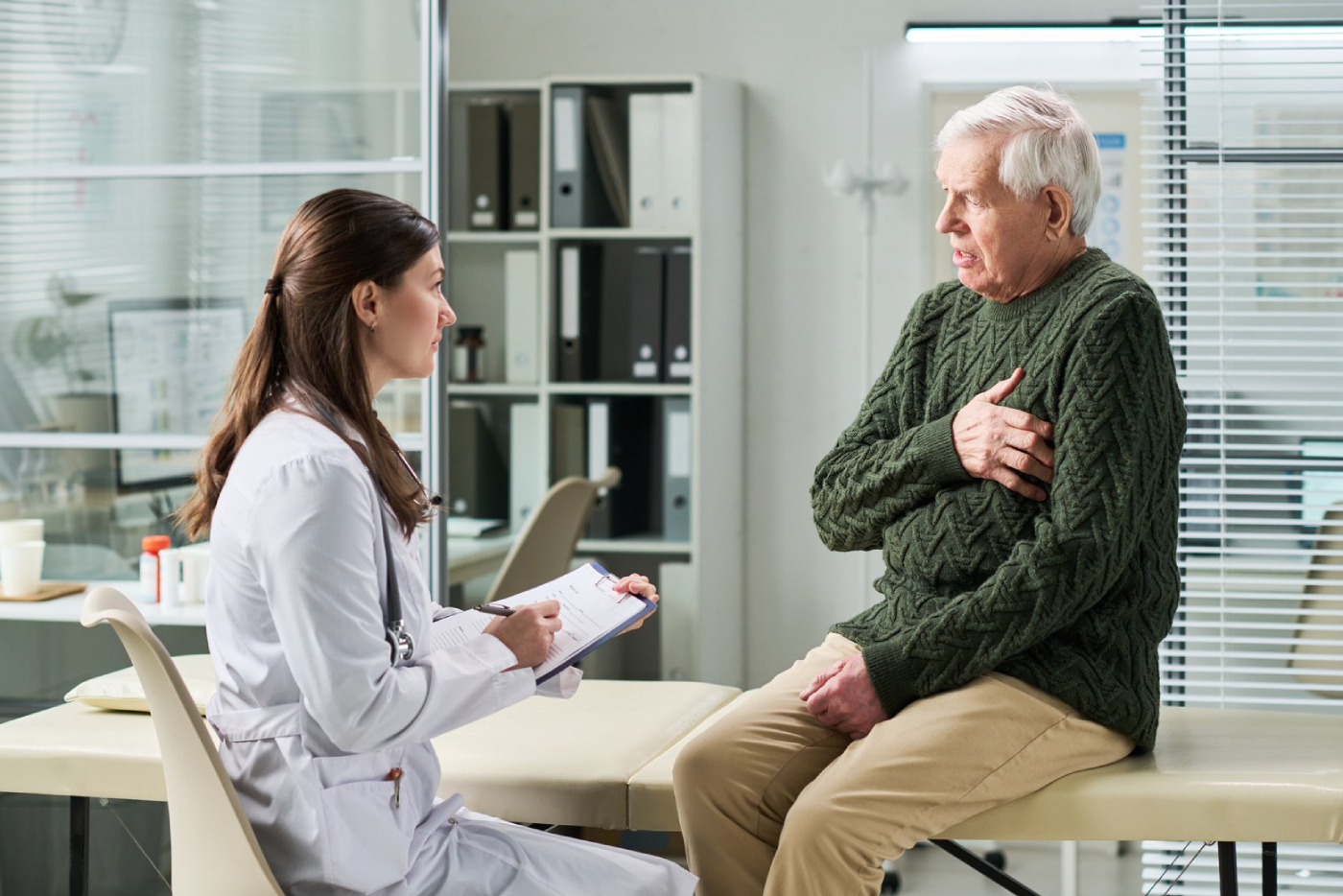




Primary care is the foundation of healthcare for older adults. It is often the first point of contact when a health problem arises and plays a central role in managing long-term wellness. In a major city like Chicago, primary care for seniors is essential for preventing disease, managing chronic conditions, and coordinating specialist services.
For elderly patients, primary care is not just about treating illness—it is about continuous monitoring, prevention, and building a long-term health relationship.
In this blog, we will explore the role of primary care in geriatric health, its benefits, and why it is so important for aging adults.
1. What Is Primary Care?
Primary care refers to general medical care provided by a family doctor or geriatric physician.
It includes:
- Routine checkups
- Preventive screenings
- Diagnosis of common illnesses
- Chronic disease management
It is the first level of healthcare support.
2. Importance of Primary Care for Seniors
As people age, they experience:
- Multiple health conditions
- Reduced immunity
- Slower recovery
Primary care helps:
- Monitor overall health
- Prevent diseases
- Detect problems early
- Manage long-term conditions
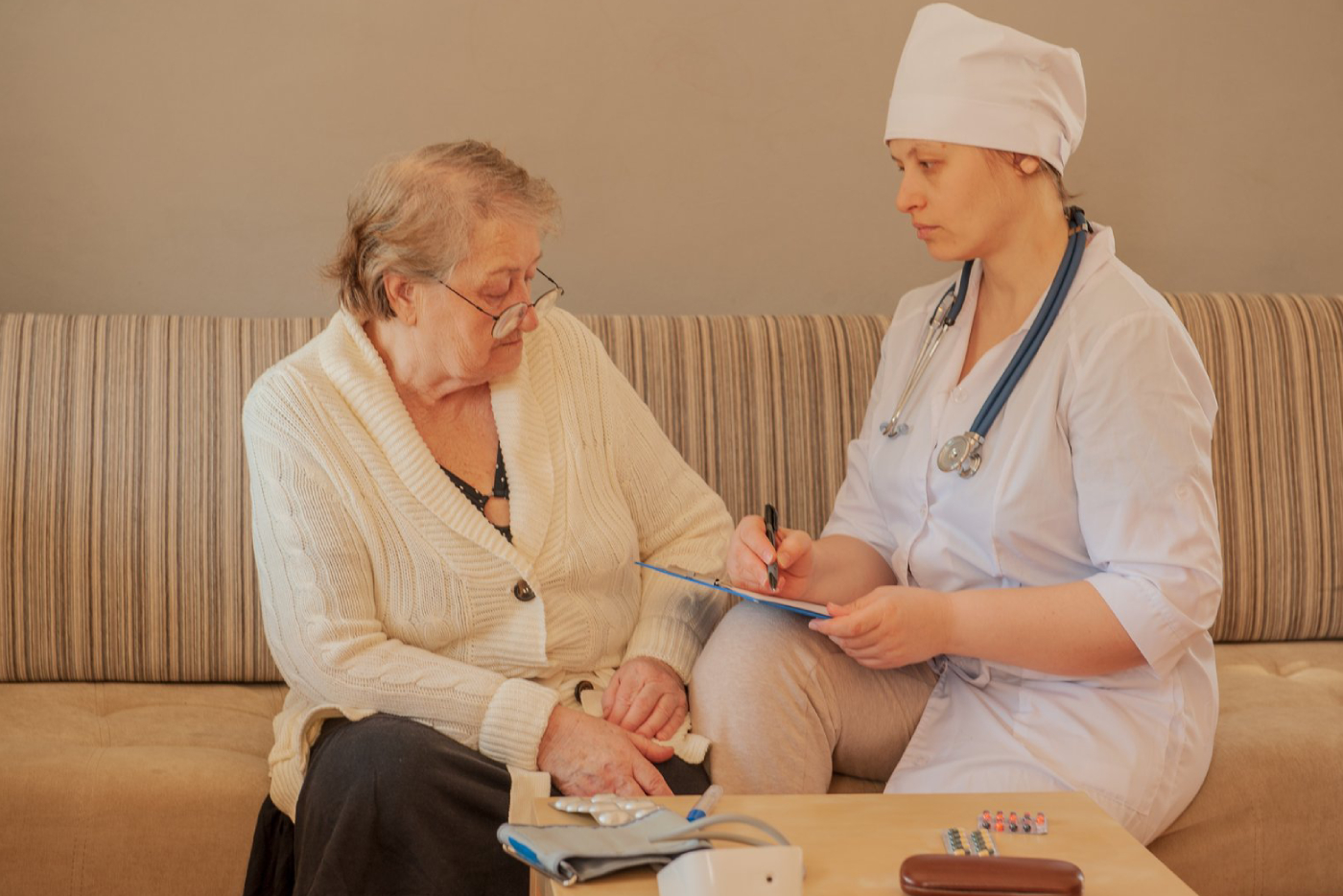
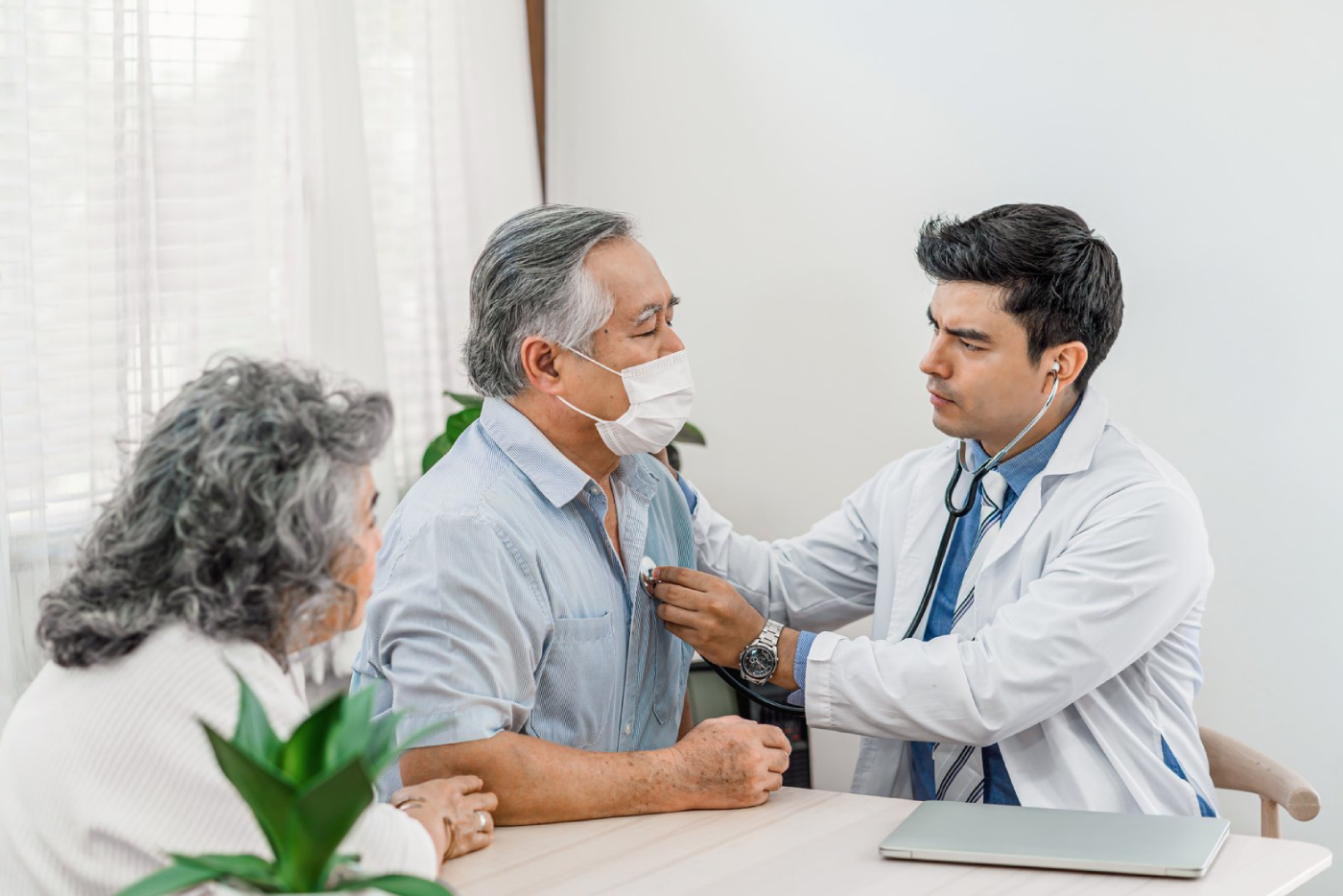
3. Regular Health Checkups
Primary care includes routine visits that help:
- Track blood pressure
- Monitor blood sugar
- Check heart health
- Assess overall physical condition
Regular checkups reduce health risks.
4. Preventive Healthcare Services
Preventive care is a key part of primary care.
It includes:
- Vaccinations
- Screening tests
- Lifestyle counseling
This helps prevent serious diseases before they develop.
5. Chronic Disease Management
Primary care doctors manage long-term conditions such as:
- Diabetes
- Hypertension
- Heart disease
- Arthritis
They ensure these conditions remain under control.
6. Medication Management
Seniors often take multiple medications.
Primary care doctors help:
- Adjust dosages
- Prevent drug interactions
- Monitor side effects
This improves medication safety.
7. Early Diagnosis of Diseases
Primary care helps detect diseases early through:
- Routine lab tests
- Physical exams
- Symptom evaluation
Early detection leads to better treatment outcomes.
8. Coordination with Specialists
Primary care doctors act as coordinators.
They:
- Refer patients to specialists
- Share medical records
- Ensure consistent treatment plans
This improves overall healthcare quality.
9. Managing Multiple Health Conditions
Many seniors suffer from more than one condition.
Primary care helps:
- Combine treatment plans
- Avoid conflicting medications
- Prioritize health needs
This reduces complications.
10. Mental Health Support
Primary care also addresses emotional health.
Doctors help with:
- Depression
- Anxiety
- Cognitive decline
Mental health is an important part of senior care.
11. Lifestyle and Nutrition Guidance
Primary care providers guide seniors on:
- Healthy diet plans
- Exercise routines
- Weight management
- Hydration habits
These improve long-term wellness.
12. Role in Emergency Prevention
Primary care helps prevent emergencies by:
- Monitoring warning signs
- Adjusting treatments early
- Managing chronic diseases effectively
This reduces hospital visits.
13. Importance of Trust and Continuity
One of the biggest benefits of primary care is long-term trust.
Doctors:
- Understand patient history
- Track health changes over time
- Provide personalized care
This continuity improves treatment accuracy.
14. Importance in Chicago Healthcare System
In a city like Chicago, primary care is important because:
- Seniors need continuous monitoring
- Chronic diseases are common
- Healthcare systems rely on coordinated care
Primary care ensures smooth healthcare delivery.
15. Role of Family in Primary Care
Families support seniors by:
- Scheduling appointments
- Sharing health updates
- Assisting with medication management
- Encouraging regular checkups
This improves care consistency.
Conclusion
Primary care plays a vital role in geriatric health by providing preventive services, managing chronic conditions, and coordinating specialist care. It is the foundation of a strong healthcare system for older adults.
For families in Chicago, primary care ensures better health monitoring, early disease detection, and improved quality of life for seniors.