



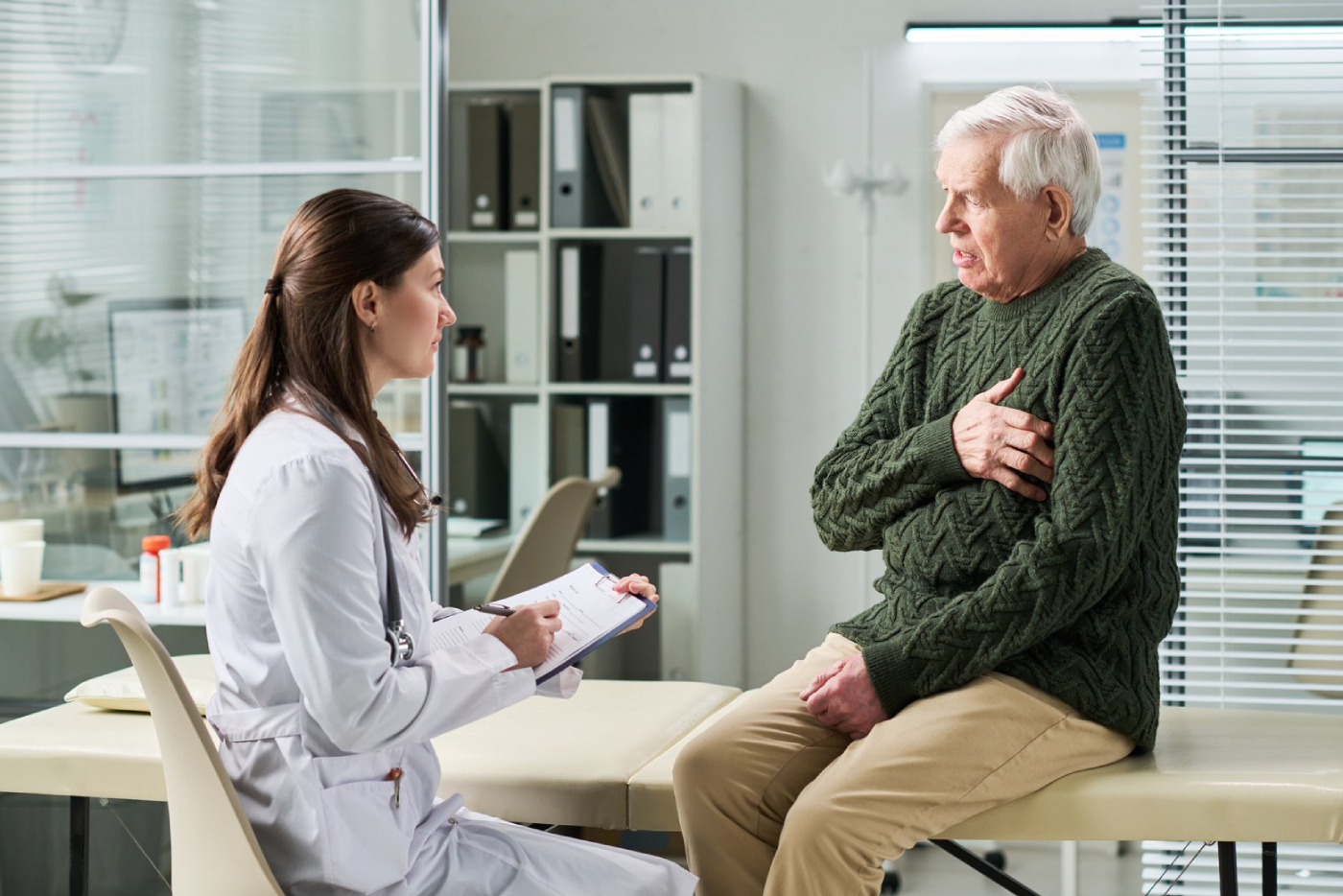




As people grow older, their health needs become more complex and require closer medical attention. Many families in Chicago are often unsure about the right time to shift from a general physician to a geriatric specialist.
A geriatric doctor specializes in caring for older adults and focuses on age-related conditions, multiple chronic diseases, memory issues, and overall quality of life. Knowing the right time to visit a geriatric doctor can make a major difference in long-term health outcomes.
In this blog, we will explain the key signs, conditions, and situations when seniors should see a geriatric physician in Chicago.
1. When You Have Multiple Chronic Conditions
One of the strongest indicators that it is time to see a geriatric doctor is when a senior is dealing with multiple chronic diseases at the same time.
Common combinations include:
- Diabetes and high blood pressure
- Heart disease and arthritis
- Kidney issues and diabetes
- COPD and mobility problems
Managing these conditions separately with different doctors can become confusing and risky. A geriatric physician provides a holistic treatment plan, ensuring all conditions are managed together safely.
2. When Medications Become Too Many (Polypharmacy)
If a senior is taking multiple medications daily, it may be time to consult a geriatric specialist.
Warning signs include:
- Taking 5 or more medications daily
- Confusion about dosage timing
- Frequent side effects (dizziness, fatigue, nausea)
- Medication interactions
Geriatric doctors carefully review all prescriptions and may:
- Remove unnecessary medications
- Adjust dosages safely
- Prevent harmful drug interactions
- Simplify treatment plans
This significantly improves safety and reduces complications.
3. When Memory or Cognitive Changes Begin
Memory problems are a common concern in older adults. Early signs should never be ignored.
Watch for symptoms like:
- Forgetting recent conversations
- Misplacing items frequently
- Confusion about time or place
- Difficulty making decisions
- Personality changes
These could be early signs of dementia or Alzheimer’s disease.
A geriatric doctor can perform cognitive assessments and create a care plan to slow progression and support both patients and families.
4. When Mobility Becomes Difficult
If walking, balance, or movement becomes difficult, geriatric care is highly recommended.
Signs include:
- Frequent falls or near falls
- Joint pain limiting movement
- Difficulty climbing stairs
- Weakness or instability
Mobility issues increase the risk of serious injuries. A geriatric physician can help with:
- Physical therapy referrals
- Fall prevention strategies
- Pain management
- Assistive devices recommendations
5. After Frequent Hospital Visits
If a senior is repeatedly visiting the hospital or emergency room, it may indicate poor long-term disease management.
Common reasons include:
- Uncontrolled blood pressure
- Diabetes complications
- Breathing issues
- Heart-related symptoms
A geriatric doctor focuses on preventive care and long-term stability, reducing the need for emergency visits.
6. When Daily Activities Become Difficult
If basic daily activities become challenging, it is a strong sign that geriatric care is needed.
These activities include:
- Bathing and personal hygiene
- Cooking or eating
- Dressing
- Managing medications
- Housekeeping
Loss of independence is often gradual. A geriatric physician can evaluate the situation and recommend support systems such as home care or assisted living services.
7. When Emotional or Mental Health Declines
Mental and emotional health is just as important as physical health in seniors.
Warning signs include:
- Depression or sadness
- Anxiety or fearfulness
- Social withdrawal
- Loss of interest in activities
- Sleep disturbances
A geriatric doctor can provide emotional health screening and recommend therapy, counseling, or support groups.
8. When Recovery from Illness Takes Too Long
Older adults often take longer to recover from illnesses or surgeries. However, excessively slow recovery may indicate underlying issues.
A geriatric physician helps by:
- Monitoring recovery progress
- Adjusting treatment plans
- Improving nutrition and strength
- Preventing complications
This ensures a smoother and safer recovery process.
9. When Family Members Notice Changes
Often, family members are the first to notice subtle changes in seniors.
These may include:
- Personality changes
- Confusion or forgetfulness
- Decline in hygiene
- Mood swings
- Reduced communication
If family members observe these changes, it is important to seek geriatric consultation early.
10. When Preventive Care Becomes a Priority
Even if a senior is relatively healthy, geriatric care can still be beneficial.
Preventive visits help with:
- Early disease detection
- Vaccinations and screenings
- Lifestyle planning
- Long-term wellness strategies
Preventive care ensures healthier aging and reduces future health risks.
Why Geriatric Care Matters in Chicago
In a large and fast-paced city like Chicago, seniors often face challenges such as limited mobility, environmental stress, and access to coordinated care.
A geriatric physician ensures:
- Better coordination between specialists
- Safer medication management
- Personalized senior care plans
- Improved quality of life
Conclusion
Knowing when to visit a geriatric doctor is essential for maintaining long-term health and independence. Whether it is memory loss, chronic illness, or difficulty managing daily life, early intervention can make a significant difference.
Families in Chicago should consider geriatric care as a proactive step toward healthier and safer aging.