
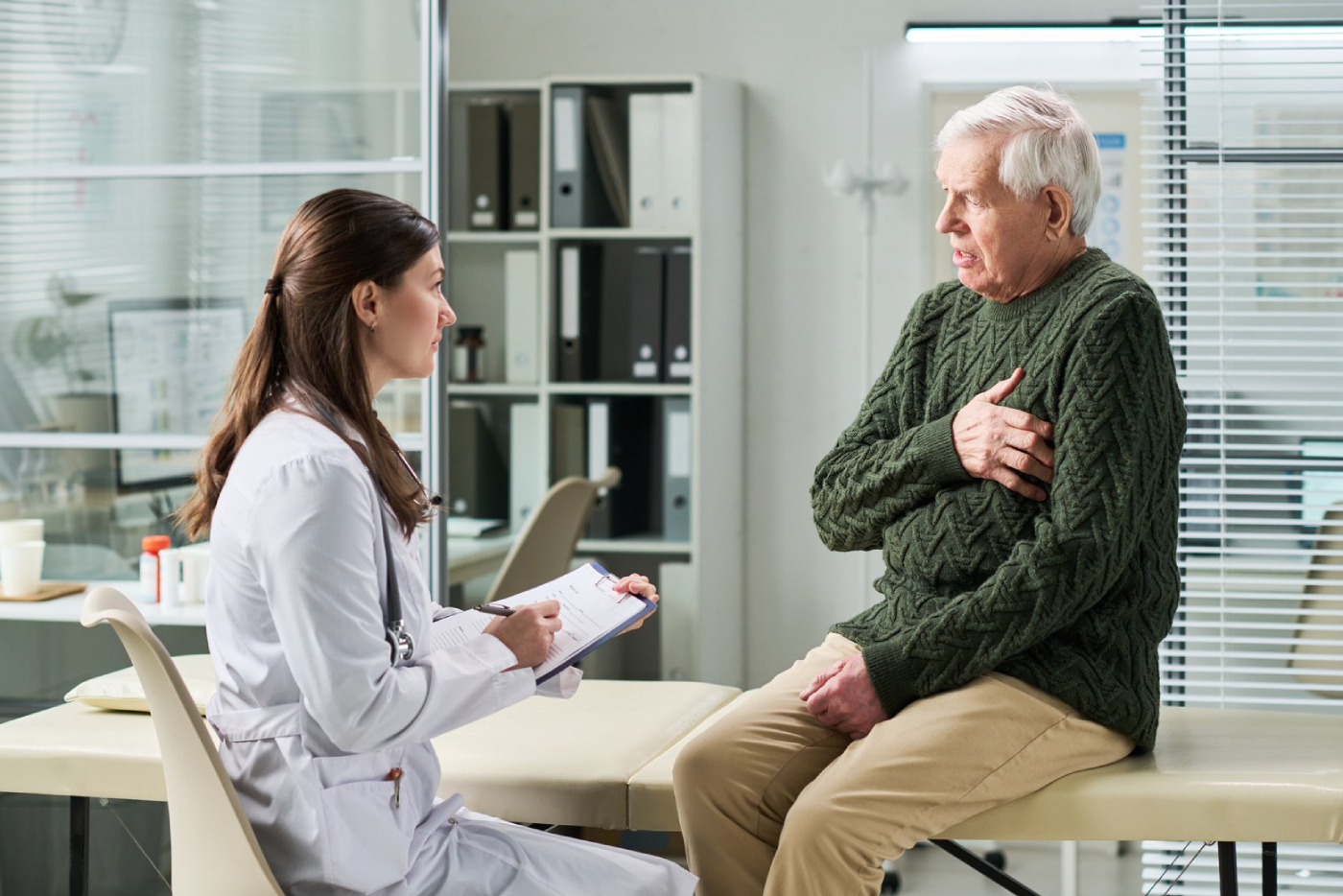
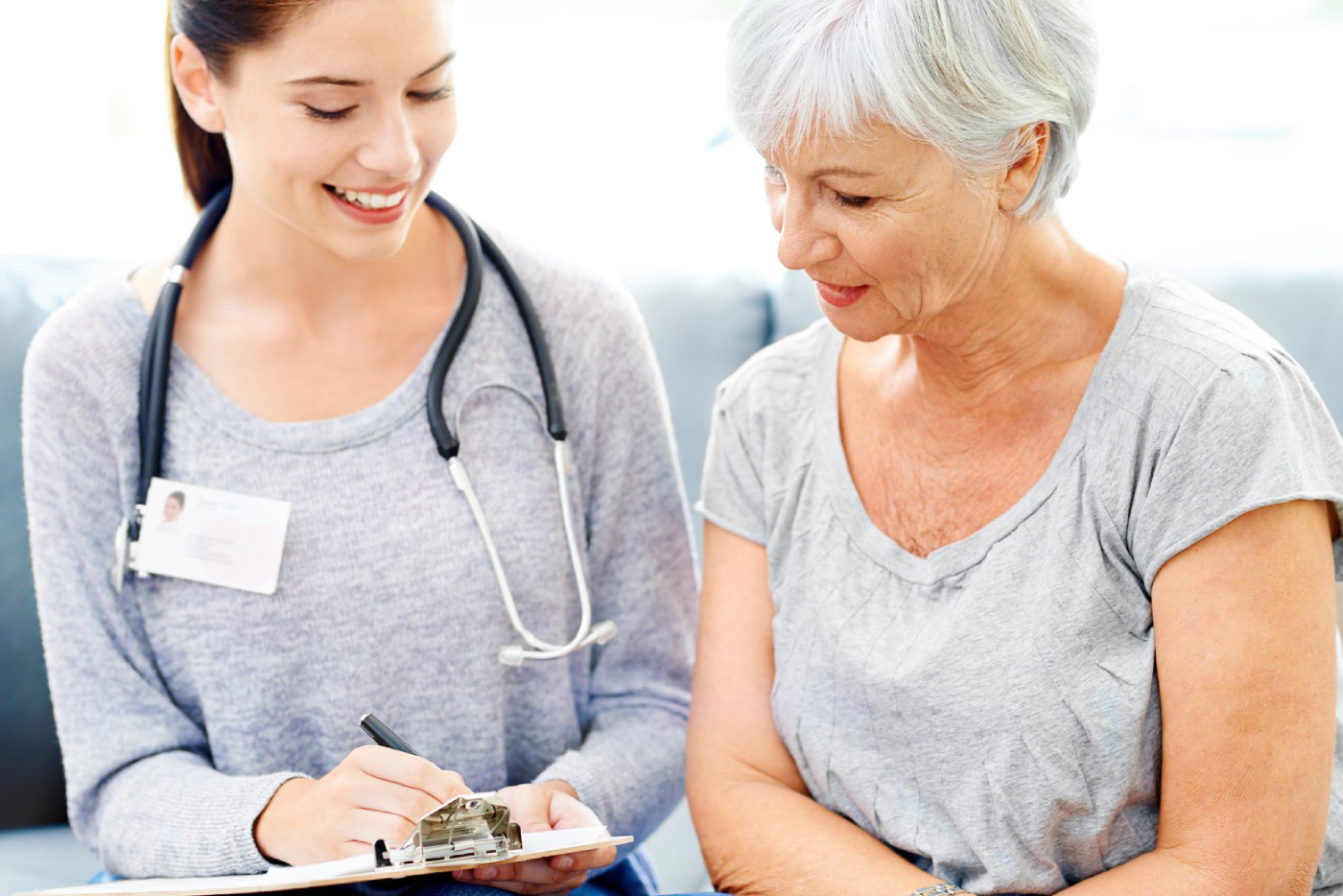
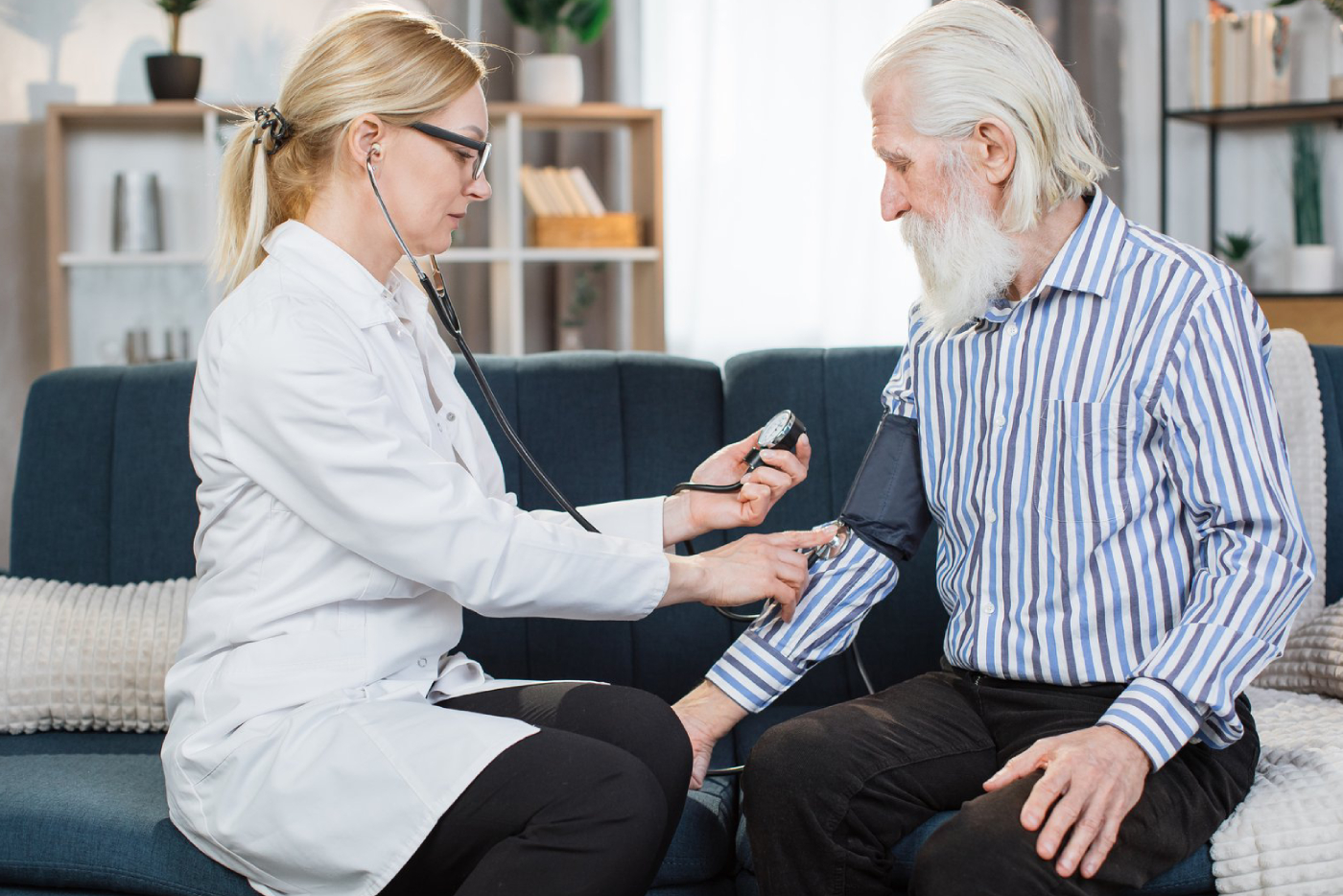
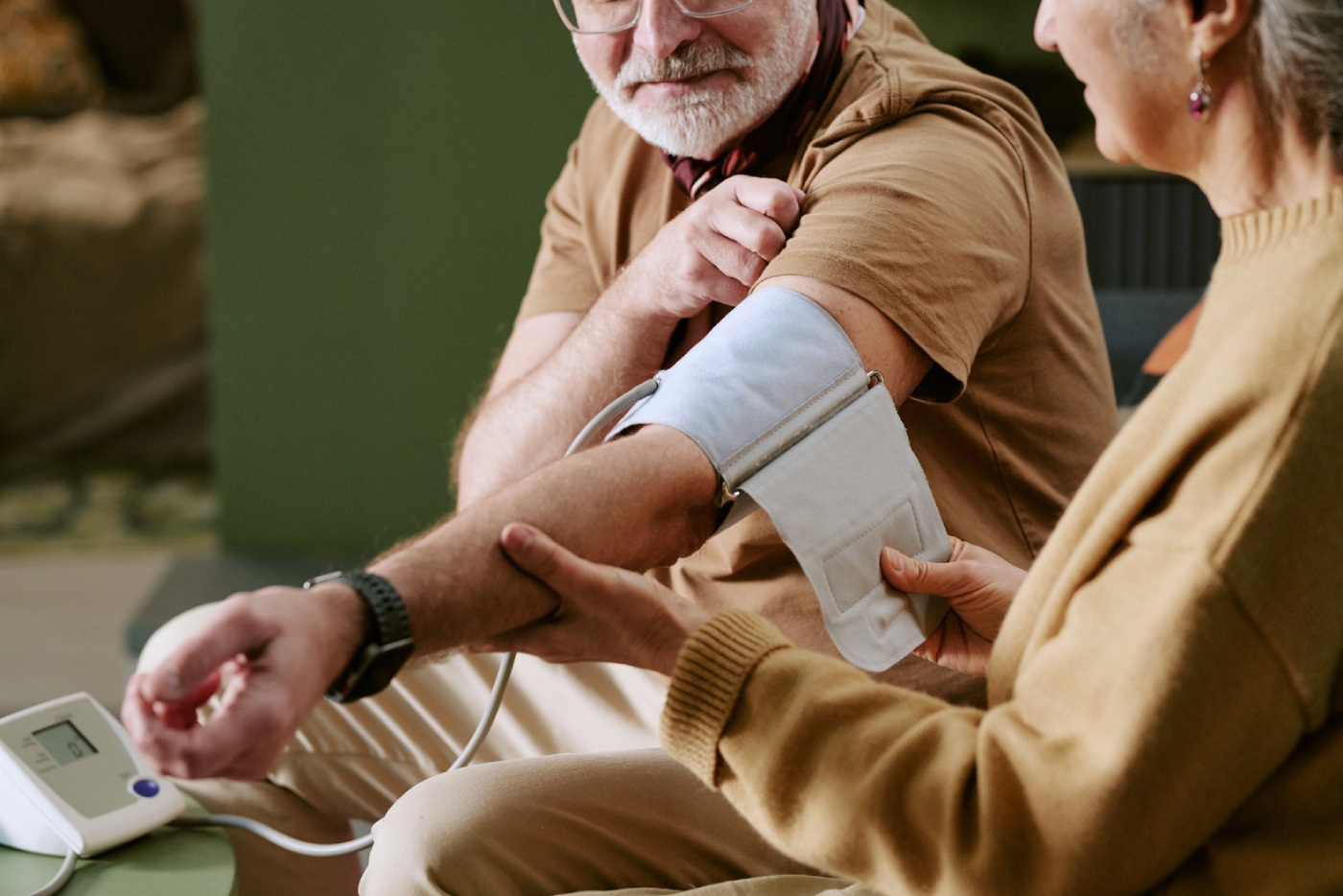

As people age, managing health becomes more complex due to chronic diseases, reduced mobility, and increased dependency on others. In a busy city like Chicago, many seniors find it difficult to travel frequently to hospitals or clinics.
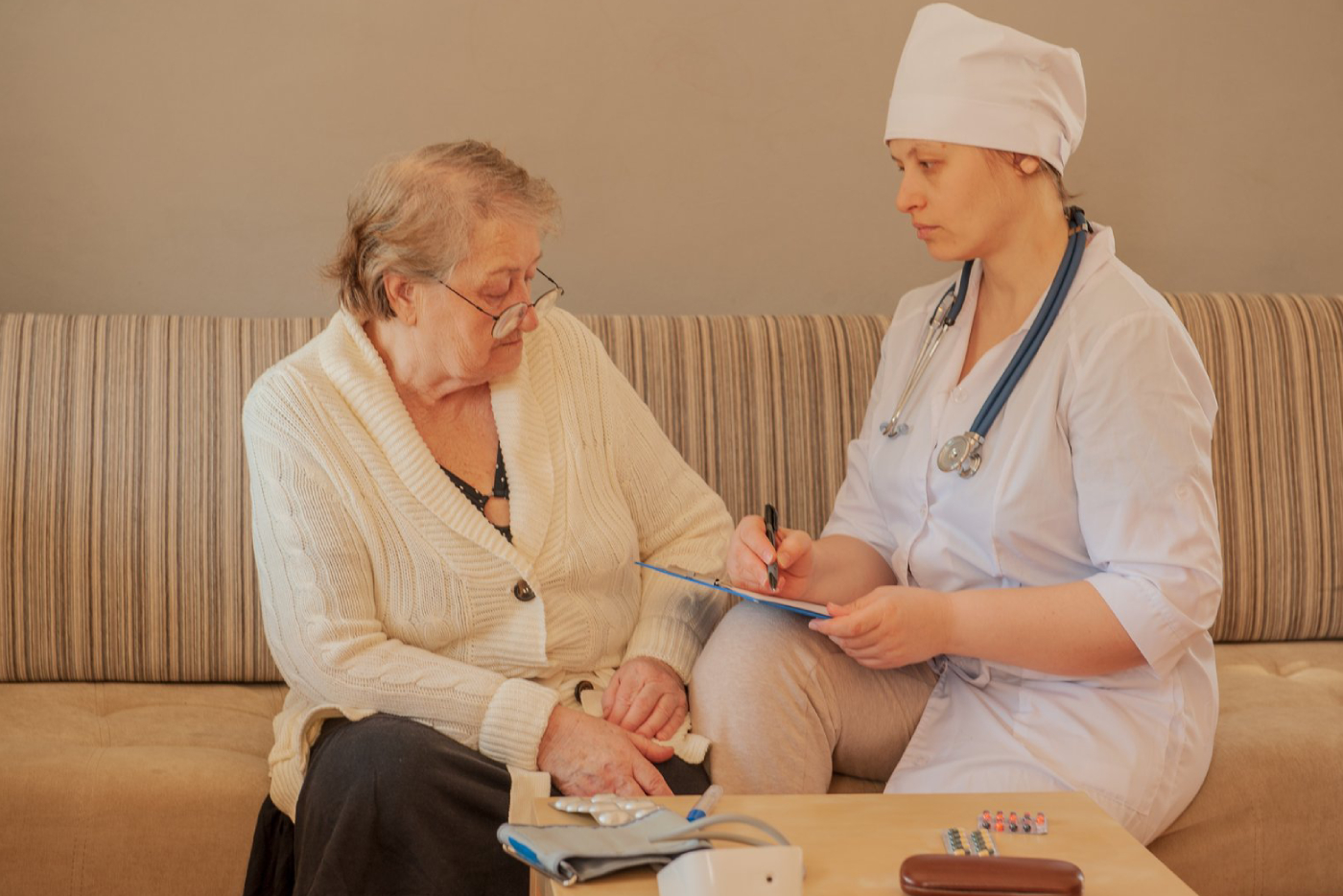
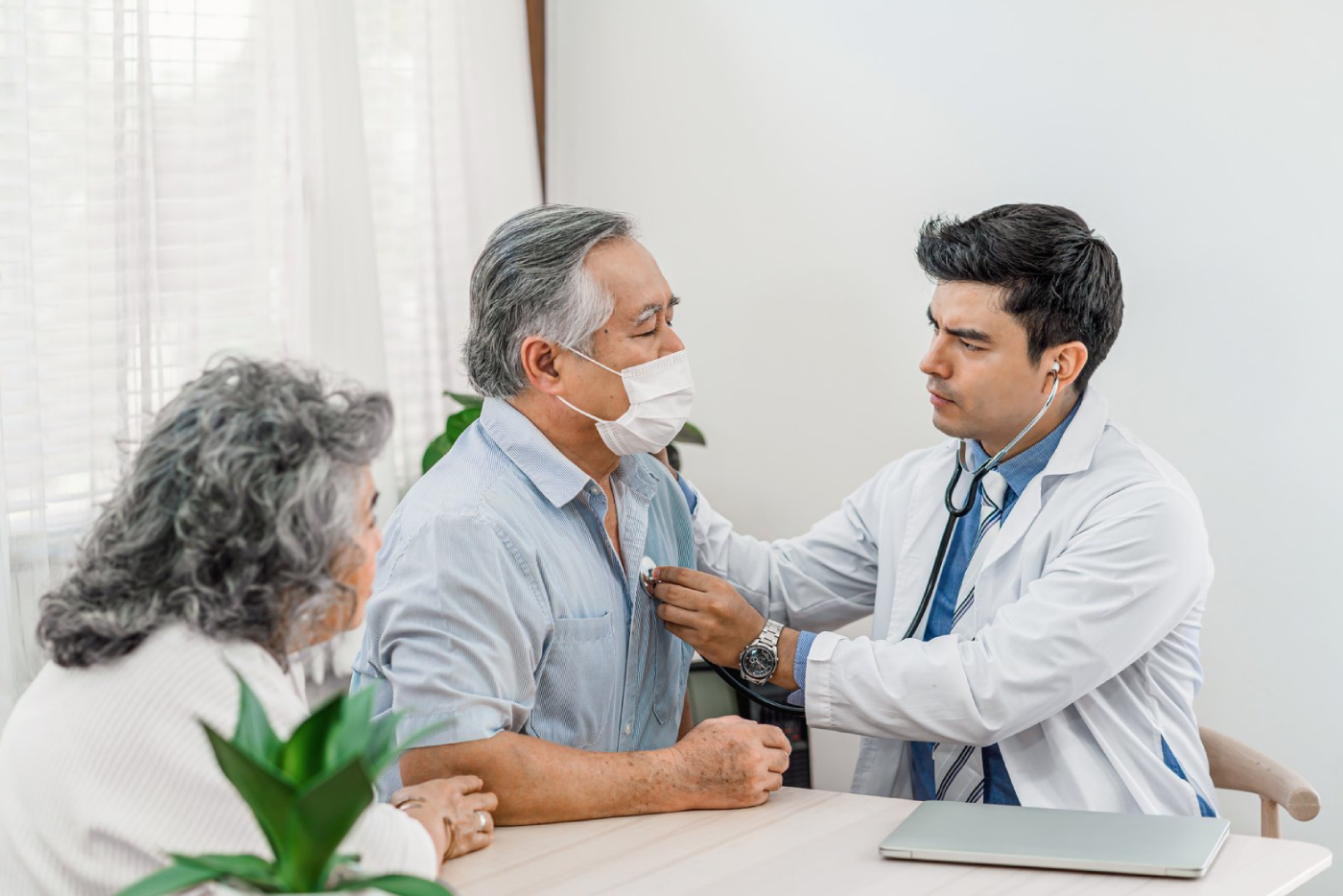
This is where home geriatric care plays a life-changing role. It brings professional medical services directly to the patient’s home, ensuring comfort, safety, and continuous care.
In this blog, we will explore how home geriatric care improves senior health and why it is becoming an essential part of modern healthcare.
1. Continuous and Personalized Medical Attention
One of the biggest advantages of home geriatric care is continuous and personalized attention.
Unlike clinic visits that are short and scheduled, home care allows doctors to:
- Spend more time with patients
- Understand daily routines
- Observe real living conditions
- Customize treatment plans
This leads to more accurate diagnosis and better long-term health management.
2. Better Chronic Disease Management
Most seniors suffer from chronic conditions such as:
- Diabetes
- Hypertension
- Heart disease
- Arthritis
Home geriatric care helps manage these conditions more effectively by:
- Monitoring symptoms regularly
- Adjusting medications promptly
- Tracking progress in real-time
- Preventing complications
This consistent care reduces hospital admissions and improves stability.
3. Improved Medication Management
Medication errors are common among seniors who take multiple prescriptions.
Home care doctors ensure:
- Correct dosage usage
- Safe combination of medicines
- Elimination of unnecessary drugs
- Monitoring of side effects
This significantly reduces risks such as dizziness, confusion, and adverse reactions.
Proper medication management leads to safer and more effective treatment outcomes.
4. Early Detection of Health Problems
Home visits allow doctors to notice early warning signs that may be missed in clinic visits.
They can identify:
- Changes in mobility
- Breathing difficulties
- Blood pressure fluctuations
- Signs of infection or fatigue
Early detection helps prevent serious complications and emergency situations.
5. Reduced Hospital Visits and Admissions
Frequent hospital visits can be stressful and exhausting for seniors.
Home geriatric care reduces hospital dependency by:
- Managing conditions at home
- Providing timely interventions
- Preventing disease progression
This results in fewer emergency visits and hospitalizations, improving overall quality of life.
6. Enhanced Comfort and Emotional Well-Being
Being treated in a familiar environment has a strong positive impact on emotional health.
Seniors feel:
- More relaxed
- Less anxious
- Emotionally secure
- More independent
Emotional stability plays an important role in physical recovery and long-term wellness.
7. Stronger Family Involvement in Care
Home geriatric care naturally involves family members in the healthcare process.
Doctors can:
- Educate caregivers
- Explain treatment plans clearly
- Provide guidance on daily care
- Answer family concerns directly
This creates a strong support system for the senior patient.
8. Better Recovery After Illness or Surgery
After hospitalization, seniors often require ongoing care.
Home geriatric care supports recovery by:
- Monitoring healing progress
- Managing pain and medication
- Preventing infections
- Providing rehabilitation exercises
This ensures faster and safer recovery at home.
9. Reduced Risk of Infections
Hospitals and clinics expose seniors to infections due to crowded environments.
Home care minimizes this risk by:
- Providing treatment in a clean home environment
- Avoiding exposure to sick patients
- Reducing unnecessary travel
This is especially important for seniors with weak immune systems.
10. Improved Mobility and Physical Strength
Home care often includes physical support such as:
- Exercise routines
- Balance training
- Mobility assistance
- Fall prevention strategies
These activities help seniors maintain independence and reduce injury risks.
11. Mental Health Monitoring and Support
Mental health is a key part of geriatric care.
Home doctors monitor:
- Depression
- Anxiety
- Memory decline
- Social withdrawal
They may recommend therapy, counseling, or lifestyle changes to improve emotional well-being.
12. Better Nutrition and Lifestyle Guidance
Doctors visiting at home can evaluate real lifestyle habits such as diet and daily activity.
They provide guidance on:
- Balanced nutrition plans
- Hydration habits
- Physical activity routines
- Sleep improvement strategies
These small changes significantly improve long-term health.
13. Prevention of Medical Emergencies
Home geriatric care helps prevent emergencies by:
- Monitoring vital signs regularly
- Adjusting treatments early
- Identifying warning symptoms
- Acting before conditions worsen
This proactive approach saves lives and reduces stress for families.
14. Convenience for Families and Caregivers
Families benefit greatly from home care services.
They experience:
- Less travel burden
- Flexible scheduling
- Easier communication with doctors
- Reduced caregiving stress
This makes senior care more manageable and organized.
15. Cost Efficiency Over Time
Although home care may seem like an added service, it often reduces long-term healthcare costs.
It helps by:
- Preventing hospital admissions
- Reducing emergency room visits
- Improving chronic disease control
Overall, it is a cost-effective healthcare solution for seniors.
16. Importance in a City Like Chicago
In a large urban environment like Chicago, home geriatric care is especially valuable because:
- Transportation can be challenging for seniors
- Many elderly patients live alone
- Healthcare systems are often busy and overwhelming
Home care bridges this gap by providing accessible and personalized healthcare.
Conclusion
Home geriatric care is a powerful healthcare approach that improves senior health in multiple ways. It enhances chronic disease management, ensures medication safety, supports emotional well-being, and reduces hospital visits.
For seniors in Chicago, home-based care offers comfort, dignity, and consistent medical support.
It is not just a convenience—it is a complete healthcare solution for aging with confidence and safety.