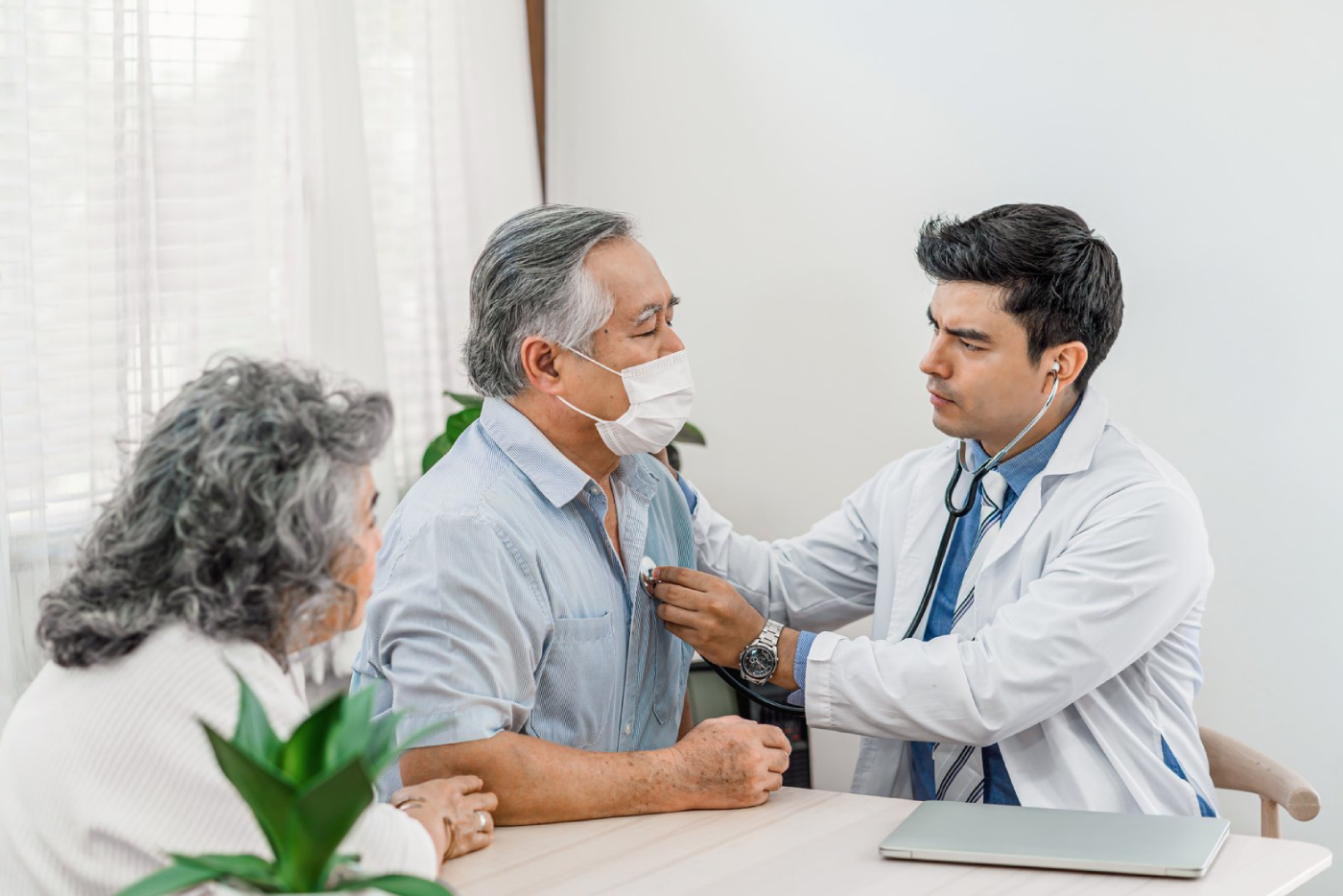

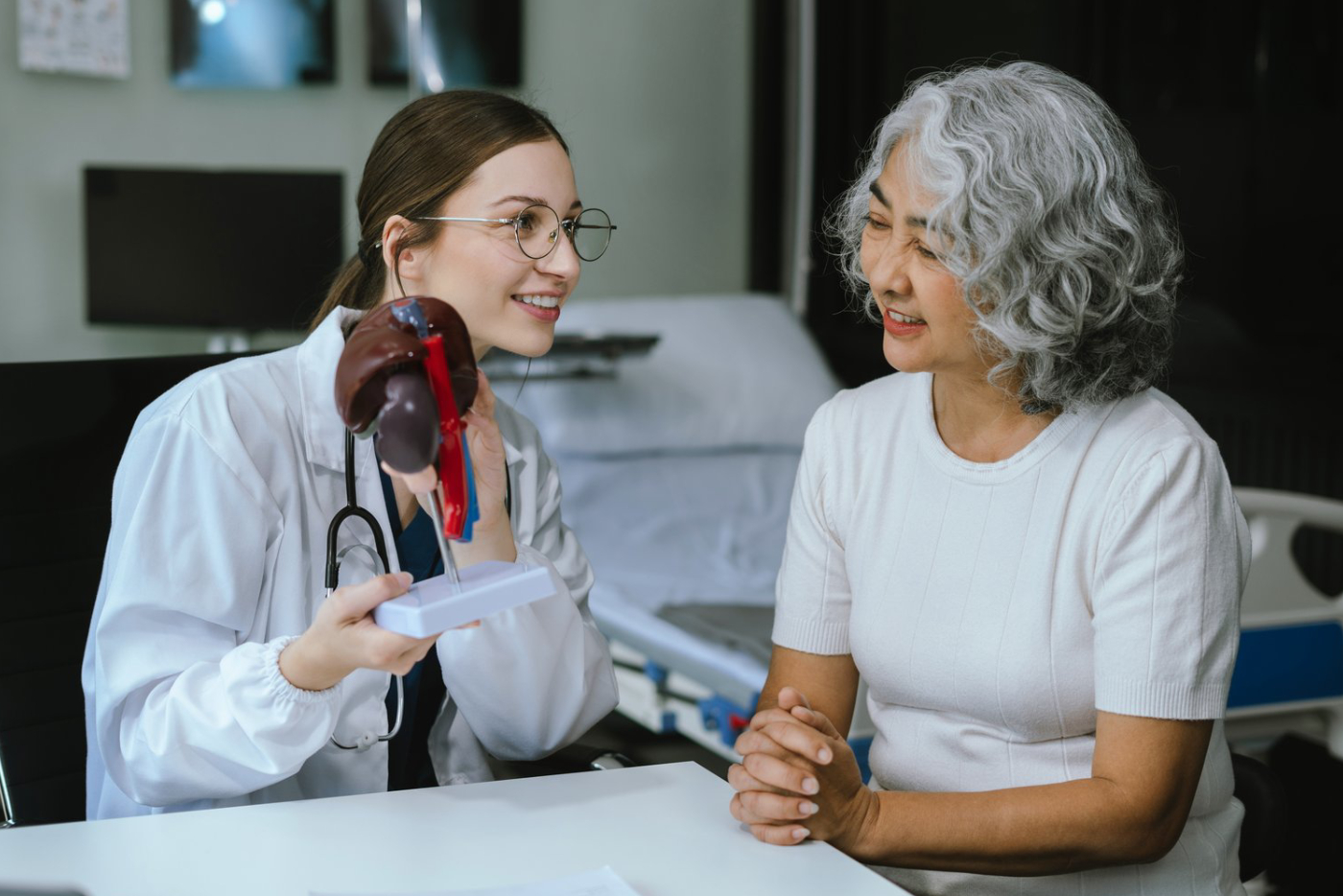






As people grow older, their health naturally becomes more vulnerable to chronic diseases, physical weakness, and cognitive decline. In a major city like Chicago, seniors face additional challenges such as busy lifestyles, limited mobility, and environmental stress factors.
This is why preventive care is one of the most important aspects of senior healthcare. Instead of waiting for diseases to appear, preventive care focuses on early action, regular monitoring, and healthy lifestyle management.
In this blog, we will explore why preventive care is essential for aging adults and how it improves long-term health outcomes.
1. What Is Preventive Care for Seniors?
Preventive care refers to medical services and lifestyle practices designed to prevent illness before it starts.
For seniors, it includes:
- Regular health checkups
- Screening tests
- Vaccinations
- Lifestyle guidance
- Chronic disease monitoring
The goal is simple: stay healthy, avoid complications, and detect problems early.
2. Early Detection of Health Problems
One of the biggest benefits of preventive care is early detection.
Many serious conditions develop silently, such as:
- Diabetes
- High blood pressure
- Heart disease
- Kidney problems
- Cancer
Preventive screenings help identify these issues before symptoms become severe.
Early detection allows:
- Faster treatment
- Better recovery chances
- Lower medical costs
- Reduced complications
3. Better Management of Chronic Diseases
Most seniors live with at least one chronic condition.
Common examples include:
- Diabetes
- Hypertension
- Arthritis
- Heart disease
Preventive care ensures these conditions are monitored regularly so they remain under control.
Doctors can:
- Adjust medications
- Track disease progression
- Prevent complications
- Improve quality of life
4. Reduced Risk of Medical Emergencies
Preventive care significantly reduces the risk of sudden health emergencies.
For example:
- Uncontrolled blood pressure can lead to stroke
- High sugar levels can cause diabetic complications
- Heart issues can lead to cardiac arrest
Regular monitoring helps detect warning signs early and prevents emergencies.
5. Improved Quality of Life
Preventive care directly improves daily life for seniors by:
- Reducing pain and discomfort
- Increasing energy levels
- Improving mobility
- Supporting mental clarity
Healthy seniors can remain active and independent for longer.
6. Vaccinations and Immunity Protection
Older adults have weaker immune systems, making them more vulnerable to infections.
Preventive care includes important vaccinations such as:
- Flu vaccine
- Pneumonia vaccine
- Shingles vaccine
- COVID-19 boosters
These vaccines help protect seniors from serious illnesses and complications.
7. Regular Health Screenings
Screenings are a core part of preventive care.
They may include:
- Blood pressure tests
- Diabetes screening
- Cholesterol tests
- Cancer screenings
- Bone density tests
These tests help identify hidden health problems early.
8. Medication Safety and Monitoring
Many seniors take multiple medications, which increases risk of complications.
Preventive care helps:
- Avoid drug interactions
- Adjust dosages
- Remove unnecessary medications
- Improve treatment safety
This reduces side effects and improves overall health outcomes.
9. Mental and Cognitive Health Support
Preventive care also includes mental health monitoring.
Doctors check for:
- Memory loss
- Depression
- Anxiety
- Cognitive decline
Early identification of mental health issues allows better treatment planning and emotional support.
10. Lifestyle Improvements
Preventive care encourages healthy habits such as:
- Balanced diet
- Regular exercise
- Proper sleep
- Stress management
These changes have a long-term positive impact on senior health.
11. Fall Prevention and Mobility Support
Falls are a major risk for elderly individuals.
Preventive care helps by:
- Assessing balance
- Improving muscle strength
- Recommending assistive devices
- Suggesting home safety improvements
This reduces injury risk and hospital visits.
12. Lower Healthcare Costs
Preventive care may seem like an expense, but it actually saves money by:
- Avoiding emergency treatments
- Reducing hospital stays
- Preventing advanced disease complications
Early care is always more cost-effective than late treatment.
13. Importance in Chicago Healthcare System
In a large urban environment like Chicago, preventive care is especially important because:
- Healthcare systems are busy
- Seniors may have limited access to transportation
- Chronic diseases are common
Preventive care ensures consistent and structured health management.
14. Family Involvement in Preventive Care
Families play a key role by:
- Scheduling regular checkups
- Monitoring medications
- Encouraging healthy habits
- Supporting lifestyle changes
This improves consistency and care quality.
Conclusion
Preventive care is essential for aging adults because it helps detect diseases early, manage chronic conditions, and improve overall quality of life. It reduces risks, lowers healthcare costs, and supports healthy aging.
For seniors in Chicago, preventive care is not optional—it is a necessary part of long-term wellness and independence.