



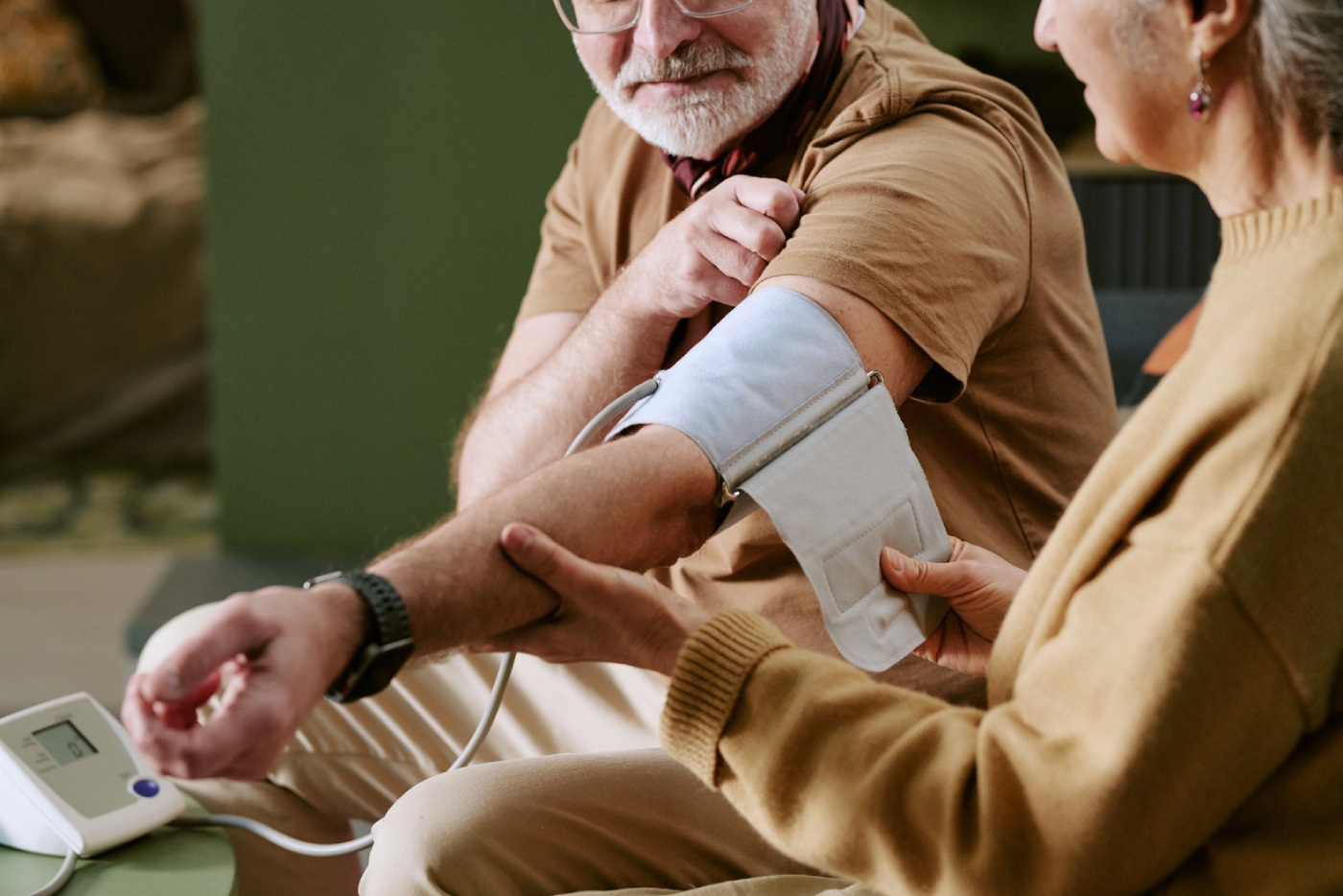

As people age, their risk of developing chronic illnesses and sudden health complications naturally increases. In a large metropolitan city like Chicago, seniors often face additional health challenges due to lifestyle factors, limited mobility, and delayed access to care.
This is why preventive care plays a crucial role in reducing senior health risks. Instead of treating diseases after they appear, preventive care focuses on early detection, continuous monitoring, and proactive health management.
In this blog, we will explain how preventive care reduces health risks in seniors and why it is essential for safe and healthy aging.
1. Early Detection of Silent Diseases
Many serious diseases develop slowly without obvious symptoms in the early stages.
These include:
- High blood pressure
- Diabetes
- Heart disease
- Kidney disorders
- Certain cancers
Preventive care includes regular screenings that help detect these conditions early.
Why this matters:
- Early treatment is more effective
- Complications can be avoided
- Recovery rates improve significantly
- Long-term damage is minimized
Early detection is one of the strongest ways preventive care reduces health risks.
2. Better Control of Chronic Diseases
Most seniors live with at least one chronic condition.
Common examples include:
- Diabetes
- Hypertension
- Arthritis
- Cardiovascular disease
Preventive care ensures these conditions remain stable by:
- Regular monitoring
- Medication adjustments
- Lifestyle guidance
- Routine lab tests
This prevents diseases from worsening and reduces long-term complications.
3. Prevention of Medical Emergencies
One of the most important benefits of preventive care is reducing emergency situations.
For example:
- Uncontrolled diabetes can lead to hospitalization
- High blood pressure can cause stroke
- Heart issues can lead to cardiac arrest
Preventive care helps identify warning signs before they become life-threatening.
This leads to:
- Fewer ER visits
- Reduced hospital admissions
- Better survival outcomes
4. Medication Safety and Risk Reduction
Many seniors take multiple medications daily, which increases the risk of complications.
Preventive care helps by:
- Reviewing all prescriptions
- Avoiding drug interactions
- Removing unnecessary medications
- Adjusting dosages safely
This reduces risks such as:
- Dizziness
- Confusion
- Falls
- Organ damage
Medication safety is a major part of risk reduction in elderly care.
5. Improved Heart Health and Stroke Prevention
Heart disease is one of the leading health risks for seniors.
Preventive care includes:
- Blood pressure monitoring
- Cholesterol testing
- ECG screenings
- Lifestyle recommendations
These help prevent:
- Heart attacks
- Stroke
- Cardiac failure
In cities like Chicago, where stress and lifestyle factors contribute to heart issues, preventive care becomes even more important.
6. Diabetes Complication Prevention
Diabetes is a common condition among older adults, but it can lead to serious complications if unmanaged.
Preventive care helps by:
- Monitoring blood sugar levels
- Adjusting insulin or medication
- Providing dietary guidance
- Checking kidney and eye health
This reduces risks of:
- Kidney failure
- Vision loss
- Nerve damage
- Foot complications
7. Fall Prevention and Mobility Safety
Falls are a major cause of injury in seniors.
Preventive care reduces fall risks by:
- Assessing balance and strength
- Recommending physical therapy
- Suggesting mobility aids
- Improving home safety
Preventing falls helps avoid fractures, hospital stays, and long recovery periods.
8. Strengthening Immune System Protection
Older adults have weaker immune systems, making them more vulnerable to infections.
Preventive care includes vaccinations such as:
- Flu shots
- Pneumonia vaccines
- Shingles vaccines
- COVID boosters
These help prevent serious infections and reduce hospitalization risk.
9. Mental Health Risk Reduction
Mental health is a major part of senior well-being.
Preventive care helps identify early signs of:
- Depression
- Anxiety
- Cognitive decline
- Memory loss
Early support improves emotional stability and prevents long-term psychological decline.
10. Slowing Cognitive Decline
Conditions like dementia and Alzheimer’s disease often progress slowly.
Preventive care supports brain health by:
- Cognitive screening
- Mental exercises
- Early treatment plans
- Family education
Early intervention helps slow disease progression and improves quality of life.
11. Better Nutrition and Lifestyle Management
Lifestyle plays a major role in reducing health risks.
Preventive care encourages:
- Balanced nutrition
- Regular exercise
- Proper hydration
- Healthy sleep patterns
These habits strengthen the body and reduce disease risk over time.
12. Reduced Hospitalization Rates
One of the biggest outcomes of preventive care is fewer hospital stays.
This happens because:
- Diseases are detected early
- Chronic conditions are controlled
- Emergency situations are prevented
This improves both health outcomes and financial stability for families.
13. Improved Longevity and Quality of Life
Preventive care does not just reduce risk—it improves overall life expectancy and quality of life.
Benefits include:
- Increased independence
- Better mobility
- Reduced pain and illness
- Improved mental clarity
Seniors can live longer, healthier, and more active lives.
14. Importance in Chicago Healthcare Environment
In a large urban setting like Chicago, preventive care is especially important because:
- Healthcare systems are often busy
- Seniors may have limited mobility
- Chronic disease rates are high
Preventive care ensures structured and consistent health monitoring.
15. Family Support in Risk Reduction
Families play a key role in preventive care by:
- Ensuring regular checkups
- Monitoring medications
- Encouraging healthy habits
- Supporting emotional well-being
This improves consistency and overall care effectiveness.
Conclusion
Preventive care is one of the most effective ways to reduce health risks in seniors. It helps detect diseases early, manage chronic conditions, prevent emergencies, and improve overall quality of life.
For seniors in Chicago, preventive care is not just helpful—it is essential for safe, healthy, and independent aging.