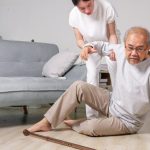



Falls are one of the most serious health risks for older adults. In many cases, a simple fall can lead to fractures, hospitalizations, or long-term mobility issues. In a major city like Chicago, where many seniors live independently, fall prevention programs for seniors are extremely important for safety and quality of life.
Preventing falls is not just about avoiding accidents—it is about maintaining independence, confidence, and long-term health. In this blog, we will explore how to prevent falls in elderly patients, home safety tips, balance exercises, and medical risk factors.
1. Why Falls Are Dangerous for Seniors
Falls in older adults can lead to:
- Hip fractures
- Head injuries
- Loss of independence
- Long recovery periods
Even minor falls can have serious consequences.
2. Common Causes of Falls in Elderly Patients
Falls often happen due to:
- Weak muscles
- Poor balance
- Vision problems
- Medication side effects
- Slippery surfaces
Understanding the cause helps prevent future falls.
3. Medical Risk Factors for Senior Falls
Certain health conditions increase fall risk:
- Arthritis
- Diabetes (nerve damage)
- Low blood pressure
- Heart problems
- Neurological disorders
These conditions affect balance and mobility.
4. Home Safety Tips for Seniors
Most falls happen at home, so safety is essential.
Improve Lighting
- Use bright lights in hallways
- Install night lights in bedrooms and bathrooms
Remove Hazards
- Keep floors clear
- Remove loose rugs
- Avoid clutter
Bathroom Safety
- Install grab bars
- Use non-slip mats
- Add shower chairs if needed
5. Safe Flooring and Furniture Arrangement
Seniors should ensure:
- Non-slippery floors
- Stable furniture
- Clear walking paths
This reduces the chance of tripping.
6. Proper Footwear for Fall Prevention
Shoes play a big role in safety.
Good footwear should have:
- Non-slip soles
- Proper fit
- Good support
Avoid walking barefoot or using loose slippers.
7. Vision and Hearing Checkups
Poor vision increases fall risk.
Seniors should:
- Get regular eye exams
- Update glasses if needed
- Check hearing regularly
Good senses improve awareness and balance.
8. Exercises to Improve Balance in Older Adults
Exercise is key for fall prevention.
Balance Exercises:
- Standing on one leg (with support)
- Heel-to-toe walking
- Slow side steps
Strength Exercises:
- Leg lifts
- Chair squats
- Resistance band training
These improve stability and strength.
9. Walking and Mobility Training
Walking regularly helps:
- Strengthen muscles
- Improve coordination
- Increase confidence
Seniors should walk in safe, even areas.
10. Medication Management
Some medicines can cause dizziness.
These include:
- Blood pressure medications
- Sedatives
- Sleeping pills
Doctors may adjust dosage to reduce risk.
11. Importance of Proper Hydration
Dehydration can cause:
- Dizziness
- Weakness
- Low blood pressure
Seniors should drink enough water daily.
12. Assistive Devices for Safety
Helpful tools include:
- Canes
- Walkers
- Grab rails
- Stair handrails
These provide extra support and stability.
13. Importance of Nutrition in Fall Prevention
Good nutrition supports:
- Strong bones
- Healthy muscles
- Better energy levels
Calcium and vitamin D are especially important.
14. Role of Family in Fall Prevention
Family members can help by:
- Checking home safety
- Encouraging exercise
- Monitoring medications
- Providing supervision when needed
Support reduces accident risk significantly.
15. Fall Prevention in Chicago Seniors
In a city like Chicago, fall prevention is important because:
- Winters increase slip risks
- Indoor living spaces can have hazards
- Emergency care is widely available but prevention is better
Preventive care reduces hospital visits.
Conclusion
Fall prevention is essential for maintaining independence and safety in older adults. Through home safety improvements, exercise, medical management, and family support, seniors can significantly reduce their risk of falling.
For families in Chicago, focusing on fall prevention ensures a safer and healthier aging experience.