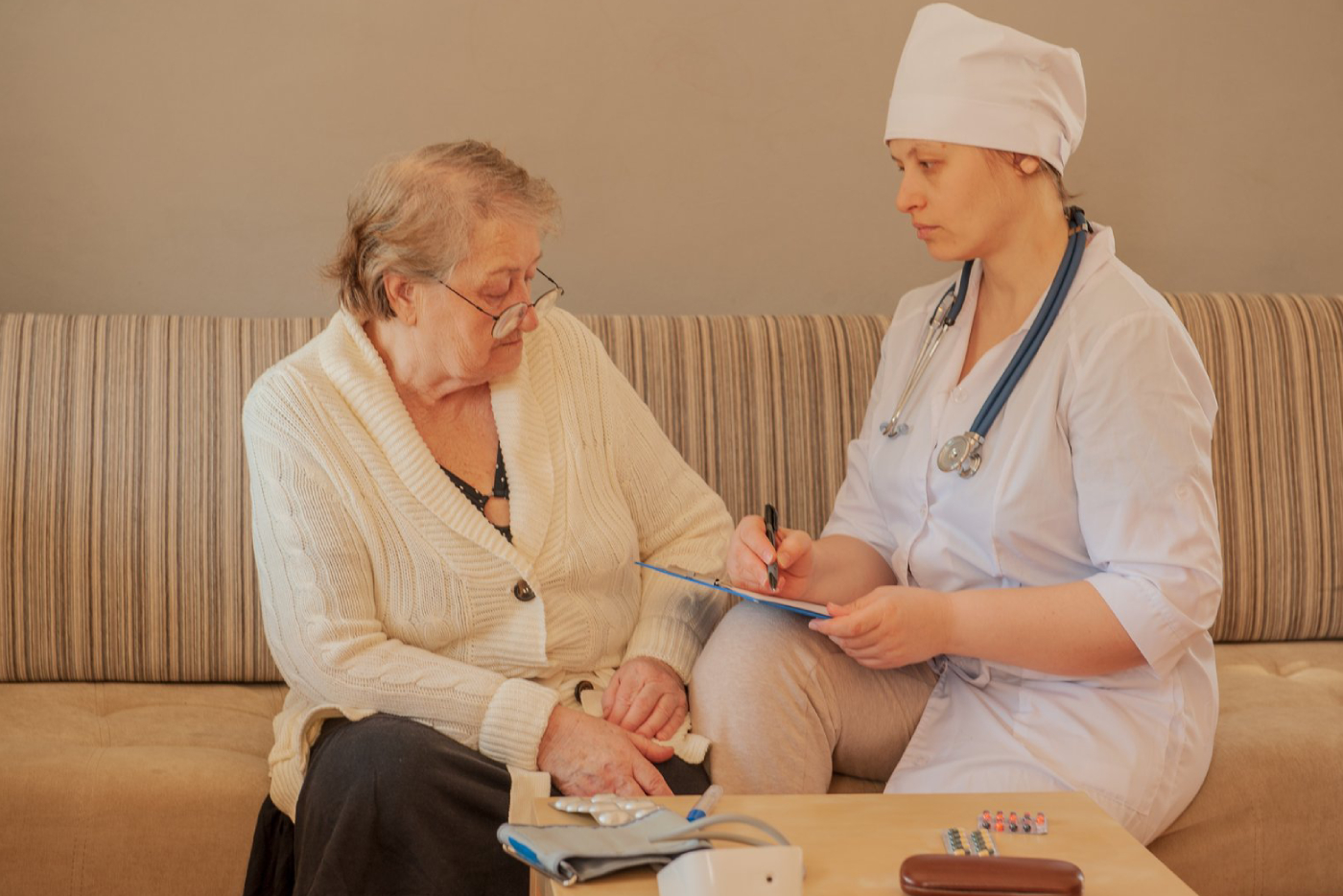






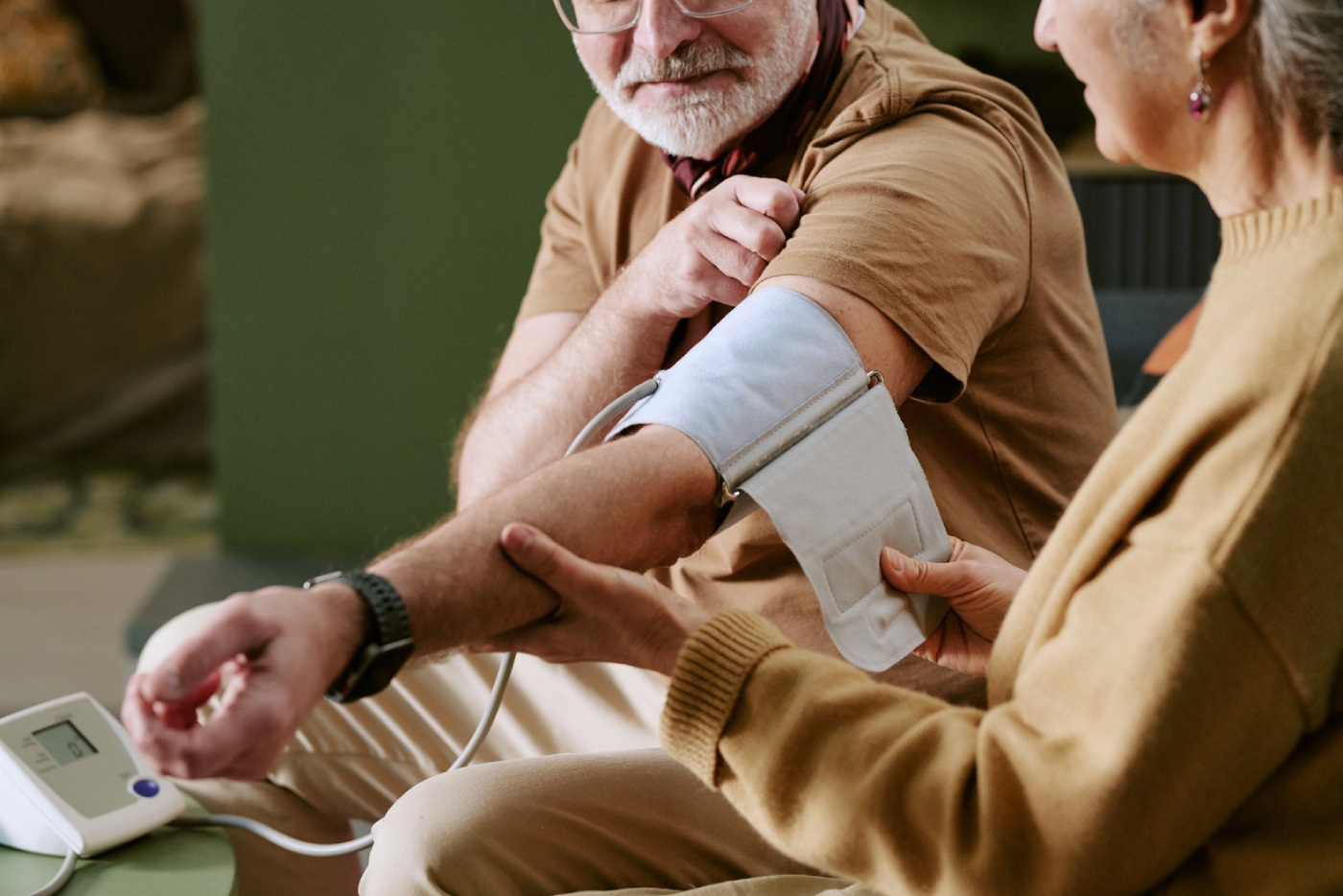

A safe home environment is one of the most important factors in protecting older adults from injuries and accidents. Many seniors prefer to live independently, but as age increases, risks such as slips, trips, and falls also increase. In a major city like Chicago, ensuring home safety for seniors is essential for maintaining independence, dignity, and overall well-being.
Most accidents among older adults happen inside the home, but with proper safety adjustments, these risks can be significantly reduced. In this blog, we will explore practical home safety tips for seniors that help prevent accidents and improve quality of life.
1. Why Home Safety Is Important for Seniors
As people age:
- Balance becomes weaker
- Vision may decline
- Reaction time slows down
- Muscles lose strength
Because of these changes, even small hazards at home can cause serious injuries.
2. Remove Tripping Hazards
One of the biggest causes of falls is clutter.
Seniors should:
- Keep floors clean and clear
- Remove loose rugs
- Avoid cluttered walkways
- Secure electrical cords
A clean environment reduces accident risk.
3. Improve Lighting in the Home
Poor lighting increases fall risk.
Safety tips include:
- Use bright LED lights
- Install night lights in hallways
- Ensure staircases are well-lit
- Keep switches easily accessible
Good lighting improves visibility and safety.
4. Bathroom Safety Measures
Bathrooms are high-risk areas for falls.
To improve safety:
- Install grab bars near toilet and shower
- Use non-slip mats
- Add shower chairs if needed
- Avoid slippery floors
These steps prevent many common accidents.
5. Safe Bedroom Setup
The bedroom should be easy to navigate.
Seniors should:
- Keep bed at a comfortable height
- Ensure clear walking space
- Keep a flashlight nearby
- Place essential items within reach
This reduces nighttime accidents.
6. Kitchen Safety Tips
The kitchen can also be dangerous if not organized.
Safety recommendations:
- Keep sharp objects stored safely
- Avoid slippery floors
- Use stable stools instead of climbing
- Keep frequently used items within reach
7. Stair Safety in Homes
Stairs are a major fall risk.
To stay safe:
- Install sturdy handrails
- Use non-slip stair coverings
- Ensure proper lighting
- Take stairs slowly
Extra care is essential on stairs.
8. Proper Flooring Choices
Floor surfaces should be safe and stable.
Best options include:
- Non-slip flooring
- Carpet with secure grip
- Avoid polished slippery tiles
Safe flooring reduces fall risk.
9. Safe Furniture Arrangement
Furniture should support easy movement.
Tips:
- Avoid overcrowding rooms
- Keep pathways open
- Use stable chairs and tables
- Avoid sharp corners when possible
10. Emergency Preparedness
Seniors should be prepared for emergencies.
Important steps:
- Keep emergency contacts visible
- Use medical alert devices if needed
- Keep phone nearby at all times
Quick response can save lives.
11. Medication Safety at Home
Medications should be managed carefully.
Tips:
- Use pill organizers
- Follow doctor instructions
- Avoid mixing medicines without advice
This prevents dizziness and confusion.
12. Vision and Hearing Support
Good senses improve home safety.
Seniors should:
- Get regular eye checkups
- Wear prescribed glasses
- Monitor hearing changes
Better senses reduce accidents.
13. Assistive Devices for Safety
Helpful tools include:
- Canes
- Walkers
- Grab bars
- Non-slip mats
These improve stability and confidence.
14. Role of Family in Home Safety
Family members play a major role by:
- Checking home hazards
- Installing safety equipment
- Monitoring daily activities
- Providing support when needed
Family involvement greatly improves safety.
15. Importance of Home Safety in Chicago
In a city like Chicago, home safety is especially important because:
- Seasonal weather increases fall risks
- Many seniors live independently
- Emergency care is available but prevention is better
Safe homes reduce hospital visits and injuries.
Conclusion
Home safety is essential for protecting seniors from injuries and maintaining independence. With simple changes such as improving lighting, removing hazards, and adding safety equipment, families can create a much safer living environment.
For families in Chicago, focusing on home safety ensures better protection, comfort, and quality of life for elderly loved ones.