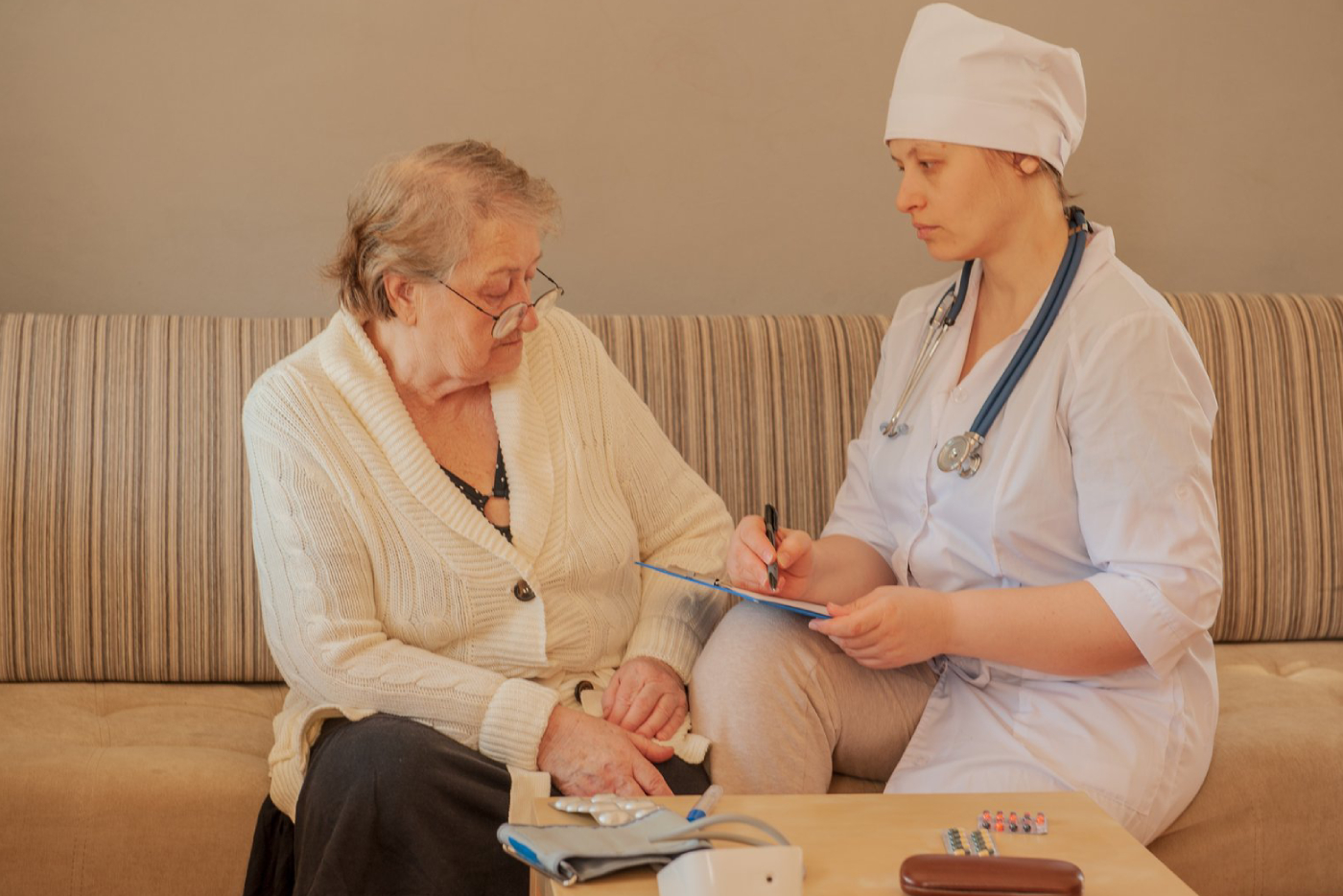








As people age, their health needs become more complex and require regular monitoring. In a major urban city like Chicago, seniors often deal with chronic diseases, mobility issues, and age-related changes that make routine medical checkups essential.
One of the most common questions families ask is: “How often should seniors get health exams?”
The answer depends on age, medical history, and existing health conditions. In this blog, we will break down the recommended frequency of health exams for seniors and explain why regular monitoring is so important.
1. Why Regular Health Exams Are Important
Regular health exams help:
- Detect diseases early
- Manage chronic conditions
- Prevent complications
- Monitor medication effects
- Improve overall well-being
Without regular checkups, many health problems can go unnoticed until they become serious.
2. General Recommendation for Healthy Seniors
For seniors who are generally healthy and do not have major chronic conditions:
- Once a year (annual wellness exam) is recommended
This includes:
- Physical examination
- Blood tests
- Vital sign monitoring
- Basic screenings
Annual checkups ensure early detection of any developing health issues.
3. Seniors with Chronic Diseases
For seniors with long-term conditions such as:
- Diabetes
- Hypertension
- Heart disease
- Arthritis
Doctors usually recommend:
- Every 3 to 6 months
These frequent visits help:
- Monitor disease progression
- Adjust medications
- Prevent complications
- Maintain stability
4. High-Risk Seniors
Some seniors require more frequent monitoring due to higher health risks, such as:
- Multiple chronic conditions
- Recent hospitalization
- Weak immune system
- Advanced age (80+)
For these patients:
- Monthly or bi-monthly checkups may be necessary
This ensures close monitoring and immediate intervention when needed.
5. After Hospital Discharge
Seniors recovering from surgery or illness need extra care.
Recommended schedule:
- Initial follow-up within 1–2 weeks
- Then regular visits based on recovery progress
This helps:
- Prevent complications
- Monitor healing
- Adjust medications
6. Importance of Blood Tests and Screenings
Regular exams often include lab tests such as:
- Blood sugar levels
- Cholesterol tests
- Kidney and liver function tests
- CBC (Complete Blood Count)
Frequency depends on health condition but is often:
- Every 6–12 months for healthy seniors
- Every 3–6 months for chronic patients
7. Heart Health Monitoring Frequency
Heart health is critical for seniors.
Recommended checkups include:
- ECG tests annually or as needed
- Blood pressure checks regularly (weekly or monthly at home)
- Cholesterol testing every 6–12 months
This helps prevent heart attacks and strokes.
8. Diabetes Monitoring Schedule
For seniors with diabetes:
- Daily blood sugar monitoring (home-based)
- HbA1c test every 3–6 months
- Regular doctor visits every 3–6 months
This ensures proper glucose control and reduces complications.
9. Cognitive Health Check Frequency
Memory and cognitive health should be monitored regularly:
- Annual cognitive screening for healthy seniors
- More frequent checks if symptoms appear
Early detection of dementia or Alzheimer’s improves management outcomes.
10. Bone and Mobility Checkups
Bone health becomes more important with age.
Recommended:
- Bone density test every 1–2 years
- Mobility assessment annually or as needed
This helps prevent fractures and fall-related injuries.
11. Importance of Preventive Care in Exam Frequency
Preventive care helps determine how often exams are needed.
Doctors assess:
- Risk level
- Lifestyle habits
- Existing conditions
- Family history
This allows a personalized schedule for each senior.
12. Home-Based Monitoring vs Clinic Visits
In a city like Chicago, many seniors benefit from combining:
Home monitoring:
- Blood pressure checks
- Sugar monitoring
- Medication tracking
Clinic visits:
- Full physical exams
- Diagnostic tests
- Specialist consultations
This hybrid approach improves efficiency and comfort.
13. Signs That Exams Should Be More Frequent
Seniors should increase checkup frequency if they experience:
- Sudden weight changes
- Fatigue or weakness
- Memory issues
- Frequent dizziness
- Pain or mobility decline
These symptoms may indicate underlying health problems.
14. Role of Family in Scheduling Exams
Family members help ensure regular health monitoring by:
- Scheduling appointments
- Tracking medical records
- Observing symptoms
- Encouraging follow-ups
This improves consistency and health outcomes.
15. Importance in Chicago Healthcare System
In a busy healthcare environment like Chicago, regular health exams are essential because:
- Chronic diseases are common
- Healthcare systems are busy
- Seniors may delay care
Routine exams ensure proactive and continuous care.
Conclusion
The frequency of senior health exams depends on individual health conditions. While healthy seniors may only need annual checkups, those with chronic illnesses require more frequent monitoring.
For seniors in Chicago, regular health exams are essential for early detection, disease management, and long-term wellness.