
As people age, their bodies go through natural changes that make them more vulnerable to diseases and health complications. In a large city like Chicago, seniors often deal with chronic illnesses such as diabetes, heart disease, hypertension, and arthritis.
This is why regular medical monitoring is essential. It ensures that health conditions are tracked consistently, risks are identified early, and treatment plans are adjusted on time.
In this blog, we will explore the key benefits of regular medical monitoring for elderly patients and why it is a critical part of healthy aging.
1. Early Detection of Health Problems
One of the biggest benefits of regular monitoring is early detection.
Many diseases develop silently, such as:
- High blood pressure
- Diabetes
- Heart disease
- Kidney problems
Regular checkups help identify these issues before they become serious, allowing timely treatment.
2. Better Control of Chronic Diseases
Seniors often live with long-term health conditions that require continuous care.
Medical monitoring helps:
- Track disease progression
- Adjust medications
- Prevent complications
- Maintain stability
This leads to better long-term disease control.
3. Reduced Risk of Medical Emergencies
Regular monitoring significantly reduces the risk of sudden health crises.
For example:
- Uncontrolled blood pressure can cause stroke
- High sugar levels can lead to complications
- Heart issues may result in cardiac emergencies
Early detection helps prevent these dangerous situations.
4. Improved Medication Safety
Many elderly patients take multiple medications daily.
Monitoring helps doctors:
- Check for drug interactions
- Adjust dosages safely
- Remove unnecessary medications
- Prevent side effects
This improves overall medication safety.
5. Better Heart Health Management
Heart disease is a major concern for seniors.
Regular monitoring includes:
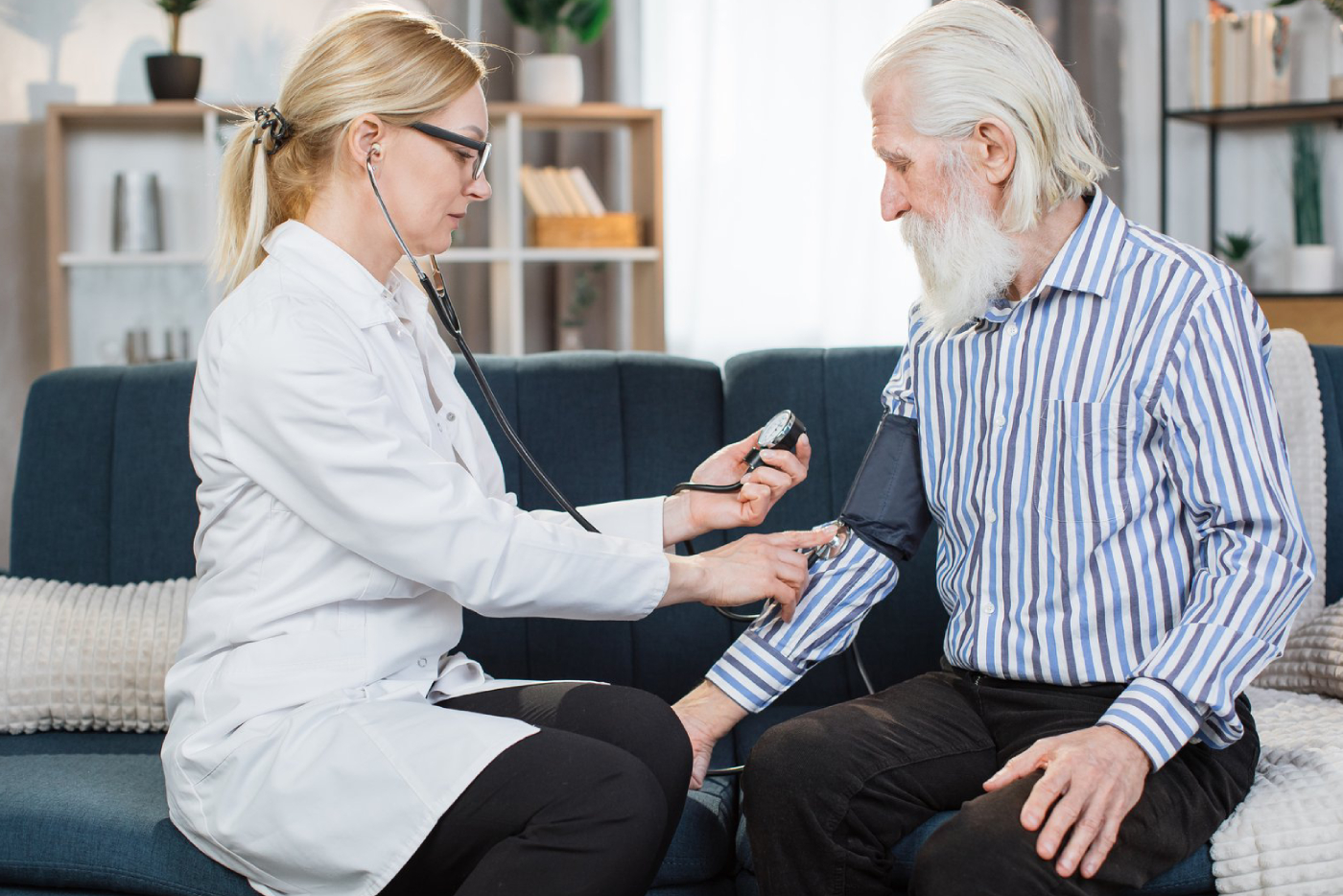
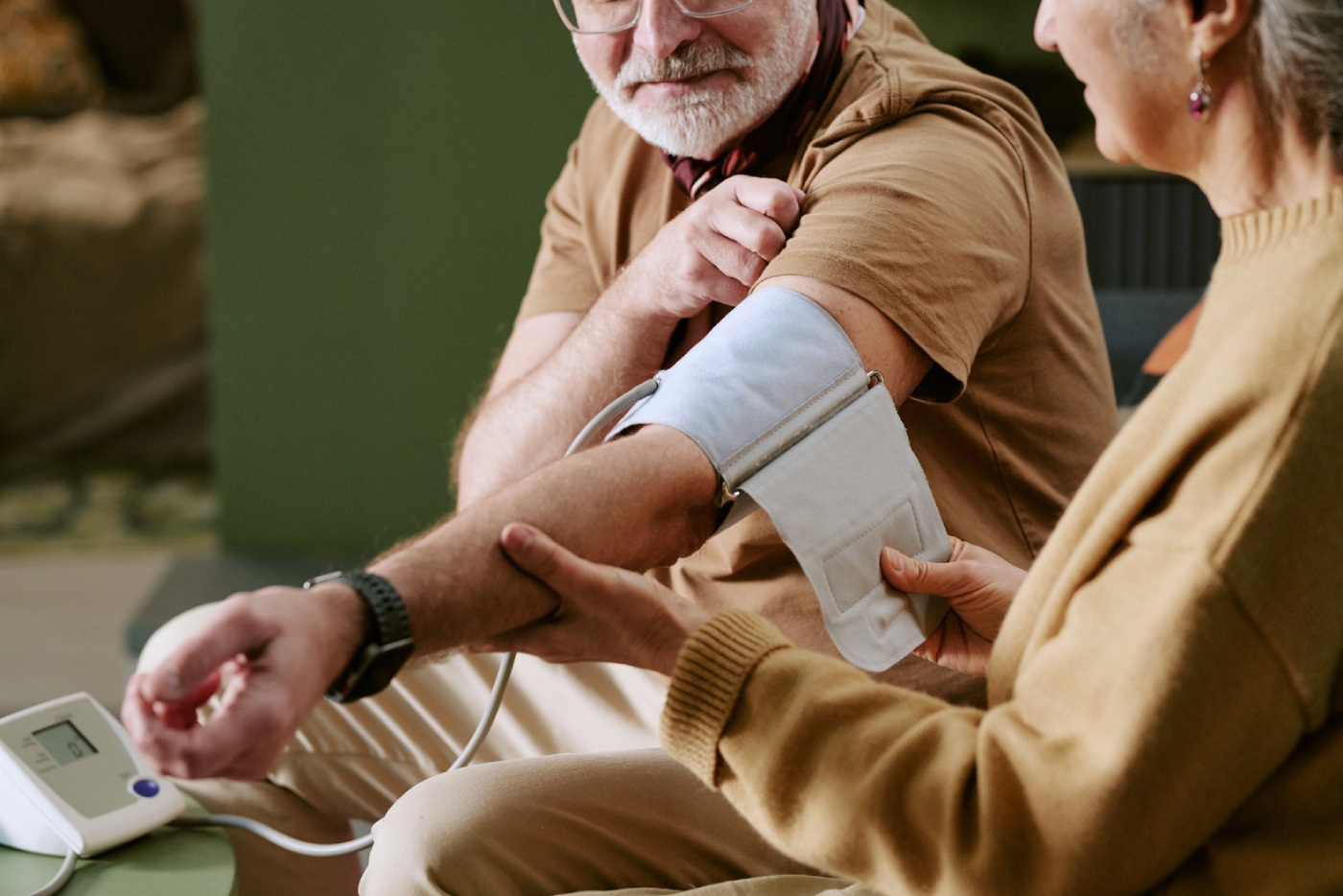
- Blood pressure checks
- Cholesterol tests
- ECG evaluations
These help reduce risks of heart attack and stroke.
6. Effective Diabetes Management
For seniors with diabetes, monitoring is essential.
It helps:
- Control blood sugar levels
- Adjust insulin or medications
- Prevent complications
- Track long-term glucose trends (HbA1c)
This ensures stable health and fewer complications.
7. Kidney and Liver Health Protection
Kidney and liver diseases often progress without symptoms.
Regular monitoring helps detect:
- Early kidney damage
- Liver inflammation
- Organ function decline
Early treatment prevents long-term organ failure.
8. Improved Mental and Cognitive Health
Medical monitoring also includes mental health evaluation.
Doctors check for:
- Memory loss
- Depression
- Anxiety
- Cognitive decline
Early intervention improves mental well-being and slows disease progression.
9. Better Mobility and Fall Prevention
Regular checkups help assess:
- Balance
- Muscle strength
- Joint health
- Fall risk
This reduces injuries and improves independence.
10. Personalized Treatment Adjustments
Every senior is different, and health needs change over time.
Monitoring allows doctors to:
- Modify treatment plans
- Adjust medications
- Update lifestyle recommendations
This ensures personalized and effective care.
11. Reduced Hospital Admissions
One of the major benefits of regular monitoring is fewer hospital visits.
This happens because:
- Conditions are detected early
- Treatments are adjusted on time
- Complications are prevented
This improves both health and financial outcomes.
12. Better Quality of Life
Regular medical monitoring helps seniors live better lives by:
- Reducing pain and discomfort
- Improving energy levels
- Enhancing mobility
- Supporting independence
Healthy monitoring leads to a healthier lifestyle.
13. Stronger Preventive Care Approach
Monitoring is a key part of preventive healthcare.
It ensures:
- Early screening
- Vaccination updates
- Lifestyle guidance
- Risk management
This keeps seniors healthier in the long term.
14. Importance in Chicago Healthcare System
In a busy healthcare environment like Chicago, regular monitoring is especially important because:
- Chronic diseases are common
- Seniors may delay care
- Healthcare access can be challenging
Monitoring ensures consistent and proactive care.
15. Family Support in Medical Monitoring
Family members play an important role by:
- Tracking symptoms
- Scheduling checkups
- Ensuring medication adherence
- Supporting healthy routines
This improves overall care quality.
Conclusion
Regular medical monitoring is essential for elderly patients because it helps detect diseases early, manage chronic conditions, improve medication safety, and enhance overall quality of life.
For seniors in Chicago, consistent monitoring is a key part of safe, healthy, and independent aging.