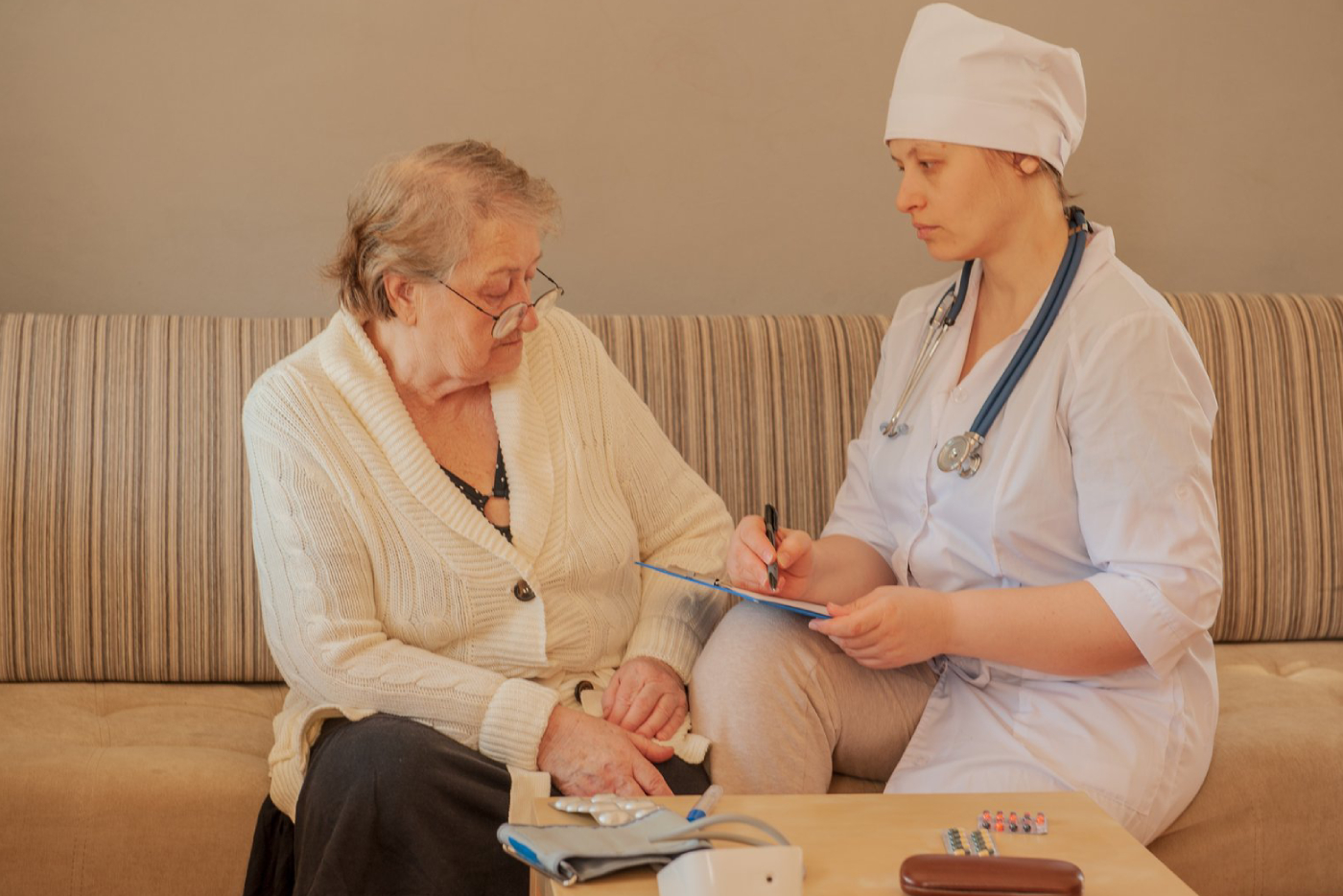








Choosing a professional caregiver for an elderly loved one is one of the most important decisions a family can make. In a large and diverse city like Chicago, there are many caregiver options available, but not all provide the same level of quality, safety, and compassion.
A good caregiver is not just someone who assists with daily tasks—they become a trusted partner in ensuring the senior’s health, dignity, and emotional well-being.
In this blog, we will guide you through how to select a professional elder caregiver and what factors to consider before making a decision.
1. Check Experience in Elder Care
Experience is one of the most important factors.
Look for caregivers who have:
- Previous experience with seniors
- Knowledge of aging-related conditions
- Hands-on caregiving background
Experienced caregivers are better equipped to handle complex health and emotional needs.
2. Verify Training and Certification
Professional caregivers should have proper training.
This may include:
- Elderly care certification
- First aid and CPR training
- Chronic disease management knowledge
- Mobility assistance training
Training ensures they can provide safe and effective care.
3. Background Checks and Security Screening
Safety is extremely important when inviting someone into a senior’s home.
Always ensure:
- Criminal background checks
- Identity verification
- Reference checks from previous employers
This protects seniors from potential risks.
4. Evaluate Communication Skills
Good communication is essential for effective caregiving.
A caregiver should:
- Speak clearly and respectfully
- Understand senior needs
- Communicate with family members
- Report health changes promptly
Strong communication builds trust and reliability.
5. Compassion and Patience
Technical skills are important, but compassion is essential.
A good caregiver should:
- Be patient with seniors
- Show empathy and kindness
- Handle emotional situations calmly
- Respect dignity at all times
This greatly improves quality of care.
6. Understanding of Medical Needs
Many seniors have health conditions like:
- Diabetes
- Hypertension
- Heart disease
- Dementia
A professional caregiver should understand:
- Medication schedules
- Symptom monitoring
- Emergency response basics
This ensures safe daily care.
7. Ability to Handle Emergencies
Caregivers must be prepared for emergencies such as:
- Falls
- Sudden illness
- Breathing difficulties
- Medication reactions
They should know how to respond quickly and contact medical services when needed.
8. Compatibility with the Senior
Personal compatibility is very important.
Consider:
- Personality match
- Cultural understanding
- Language comfort
- Emotional bonding
A good match improves trust and cooperation.
9. Flexibility of Services
Care needs can change over time.
Choose caregivers or agencies that offer:
- Hourly care
- Full-time care
- Live-in care
- Temporary care options
Flexibility ensures long-term suitability.
10. Professionalism and Reliability
A professional caregiver should be:
- Punctual
- Responsible
- Consistent
- Organized
Reliability ensures stable and uninterrupted care.
11. Reputation and Reviews
Always check:
- Online reviews
- Client testimonials
- Agency reputation
- Referrals from healthcare providers
A strong reputation indicates trustworthiness.
12. Clear Care Plan Structure
A good caregiver or agency provides:
- Written care plans
- Daily activity schedules
- Health monitoring plans
- Emergency protocols
This ensures structured and transparent care.
13. Cost and Affordability
Cost is an important consideration.
Families should check:
- Hourly or monthly rates
- Included services
- Extra charges
- Payment flexibility
Clear pricing avoids confusion later.
14. Importance in Chicago Healthcare Environment
In a large city like Chicago, selecting the right caregiver is especially important because:
- Demand for caregivers is high
- Quality varies across providers
- Seniors often require specialized care
Choosing carefully ensures better safety and care quality.
15. Final Checklist Before Hiring
Before final selection, ensure:
- Experience and training verified
- Background checks completed
- Communication is strong
- Emergency handling skills present
- Compatibility with senior confirmed
This checklist helps families make the right decision.
Conclusion
Selecting a professional elder caregiver requires careful evaluation of experience, training, personality, and reliability. The right caregiver can significantly improve the quality of life for seniors by providing both physical assistance and emotional support.
For families in Chicago, a well-chosen caregiver ensures safety, comfort, and peace of mind.