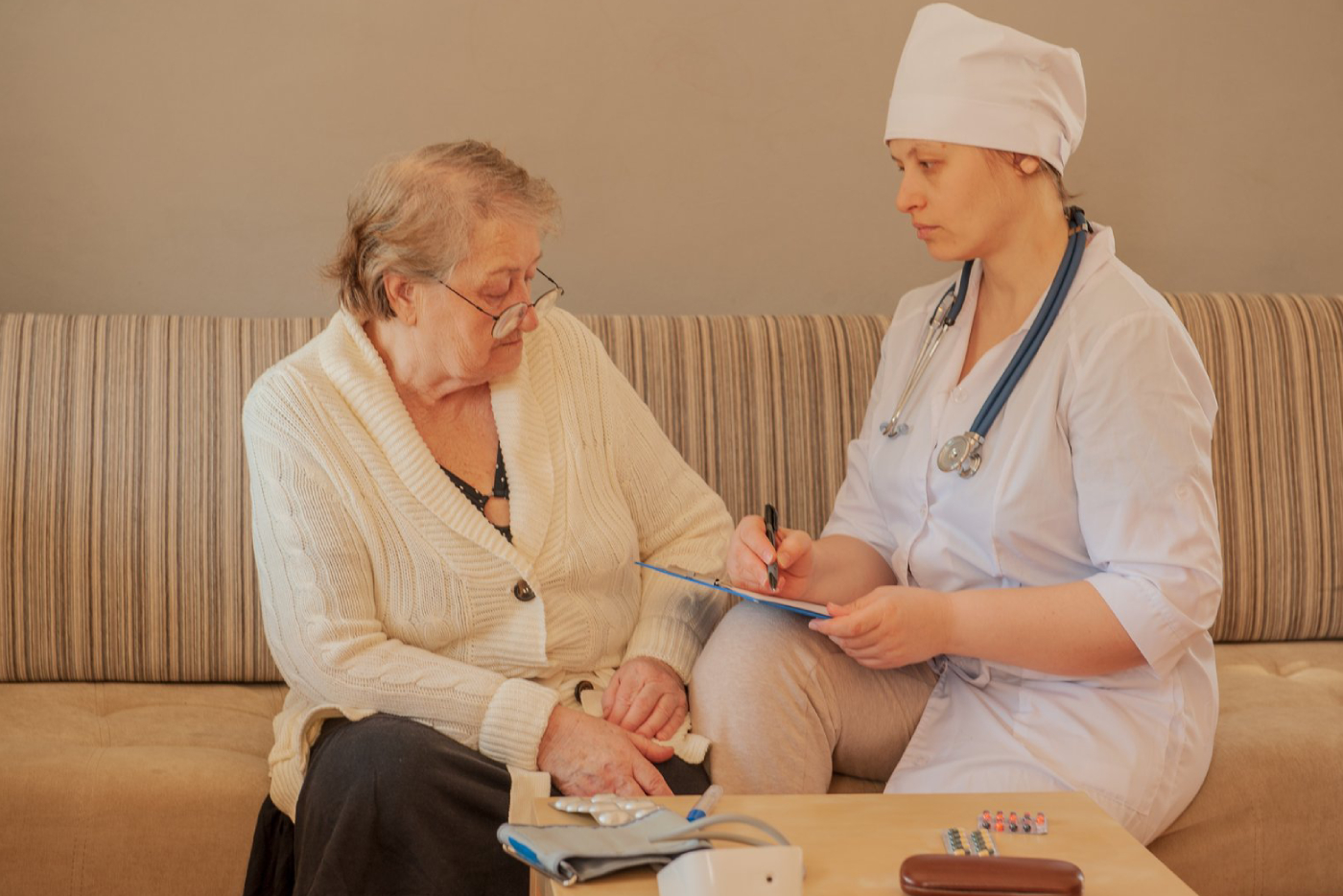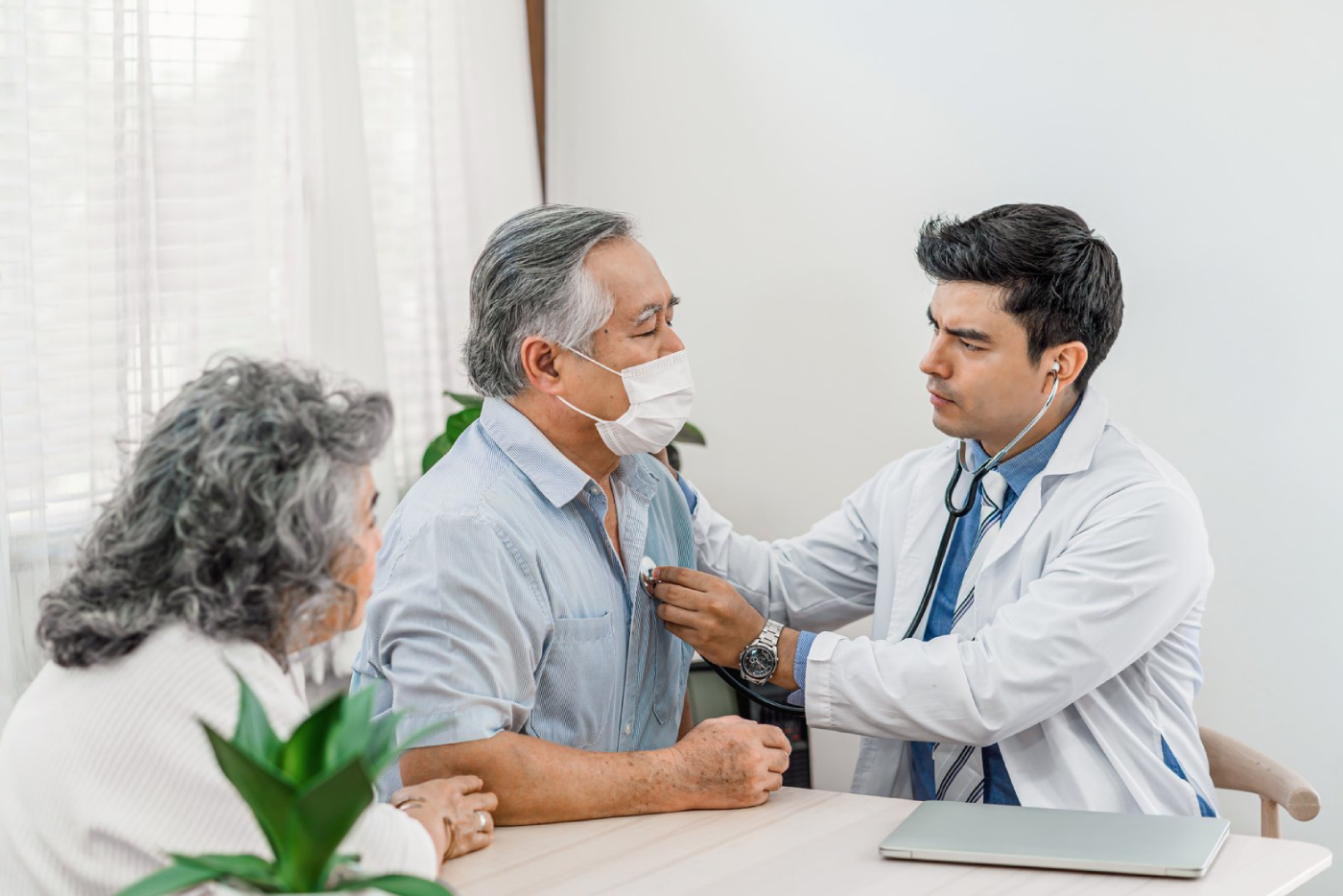

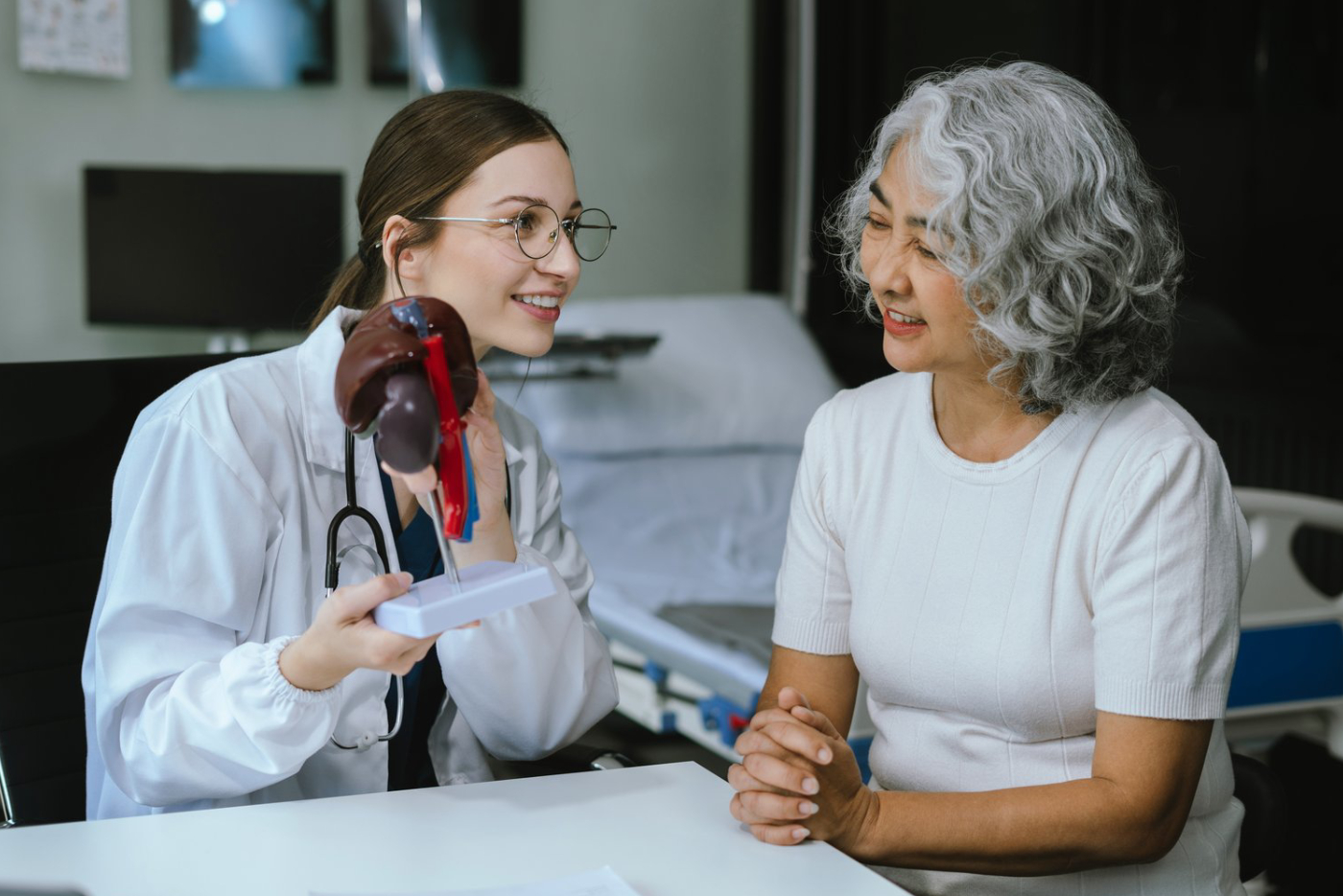
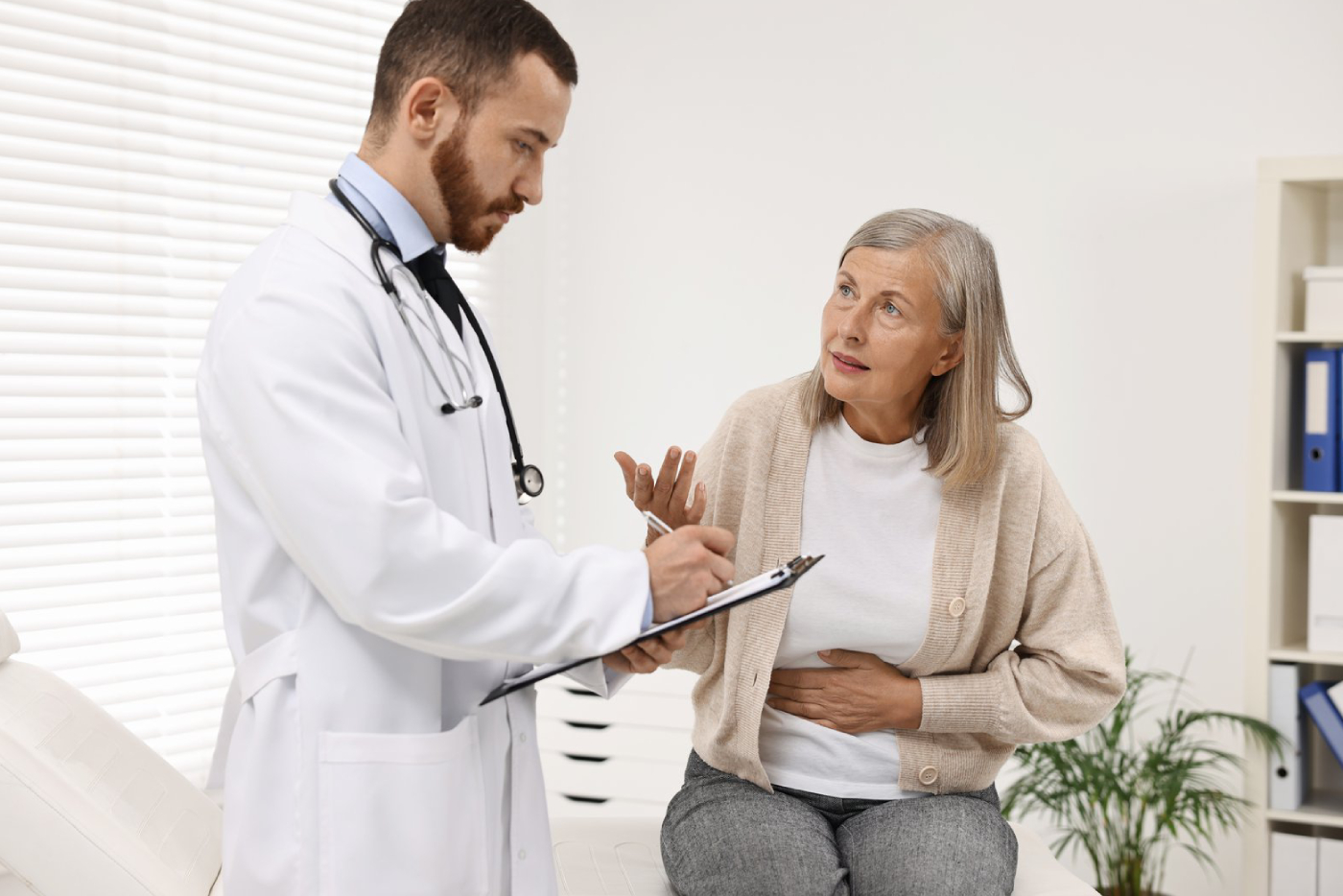
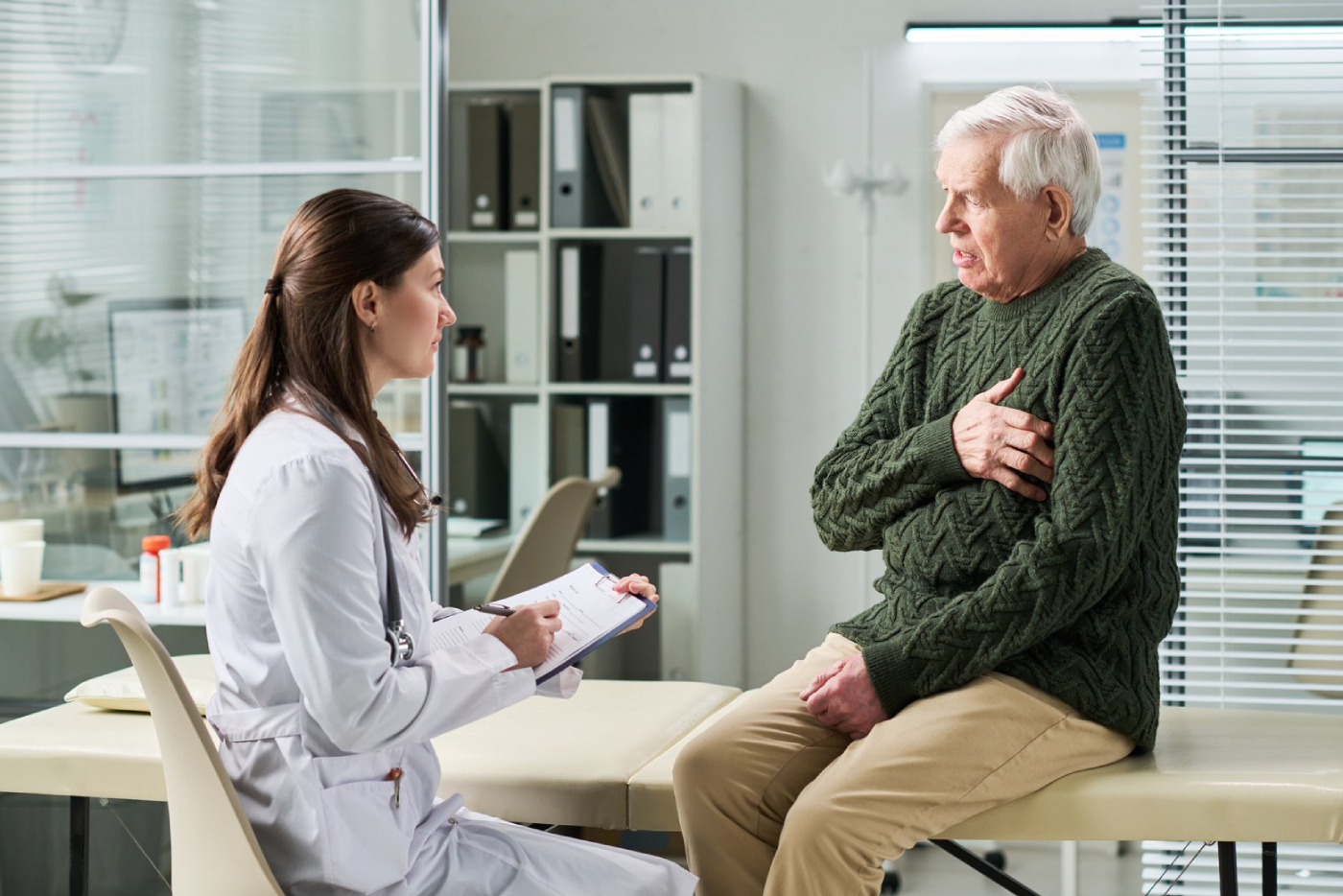
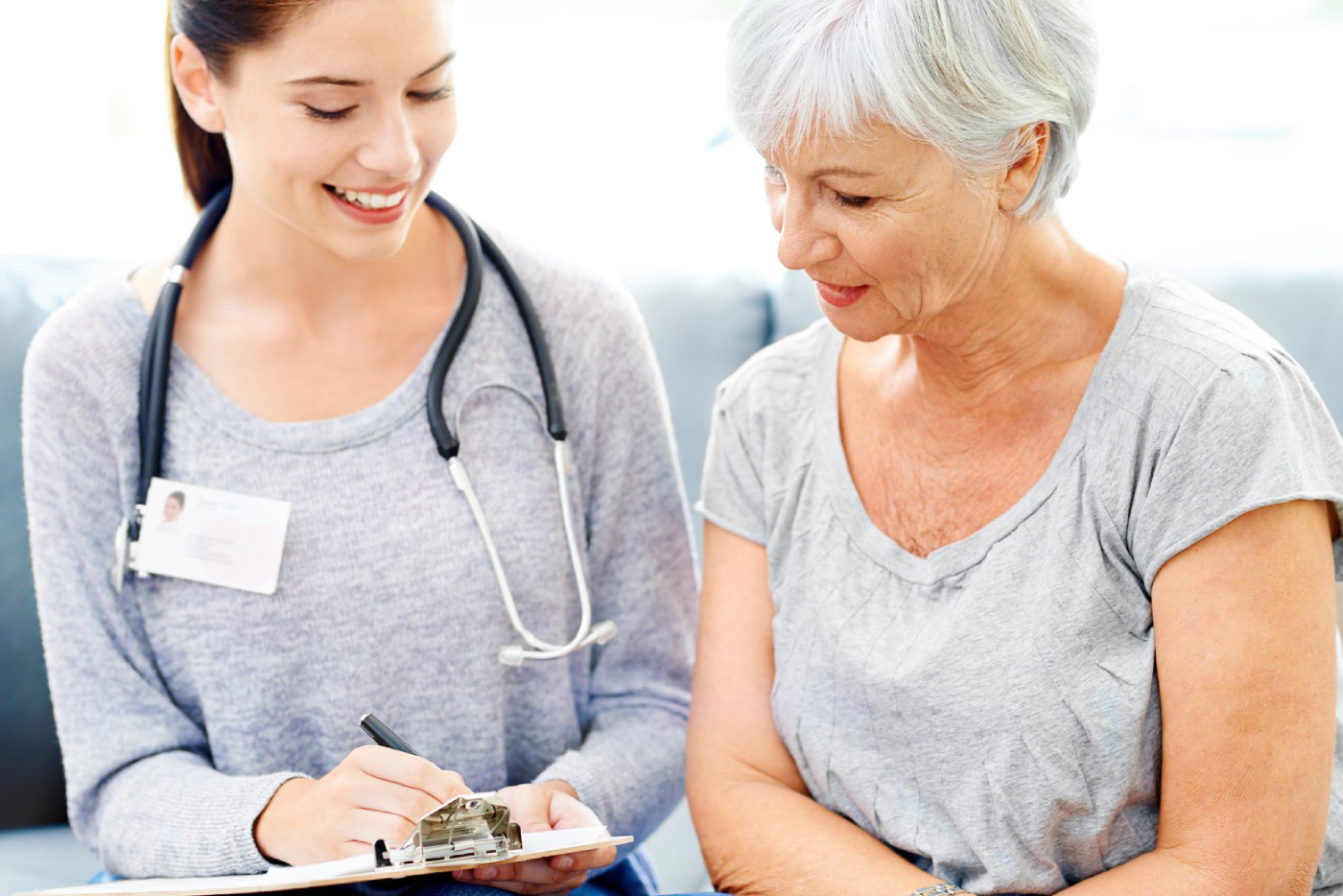
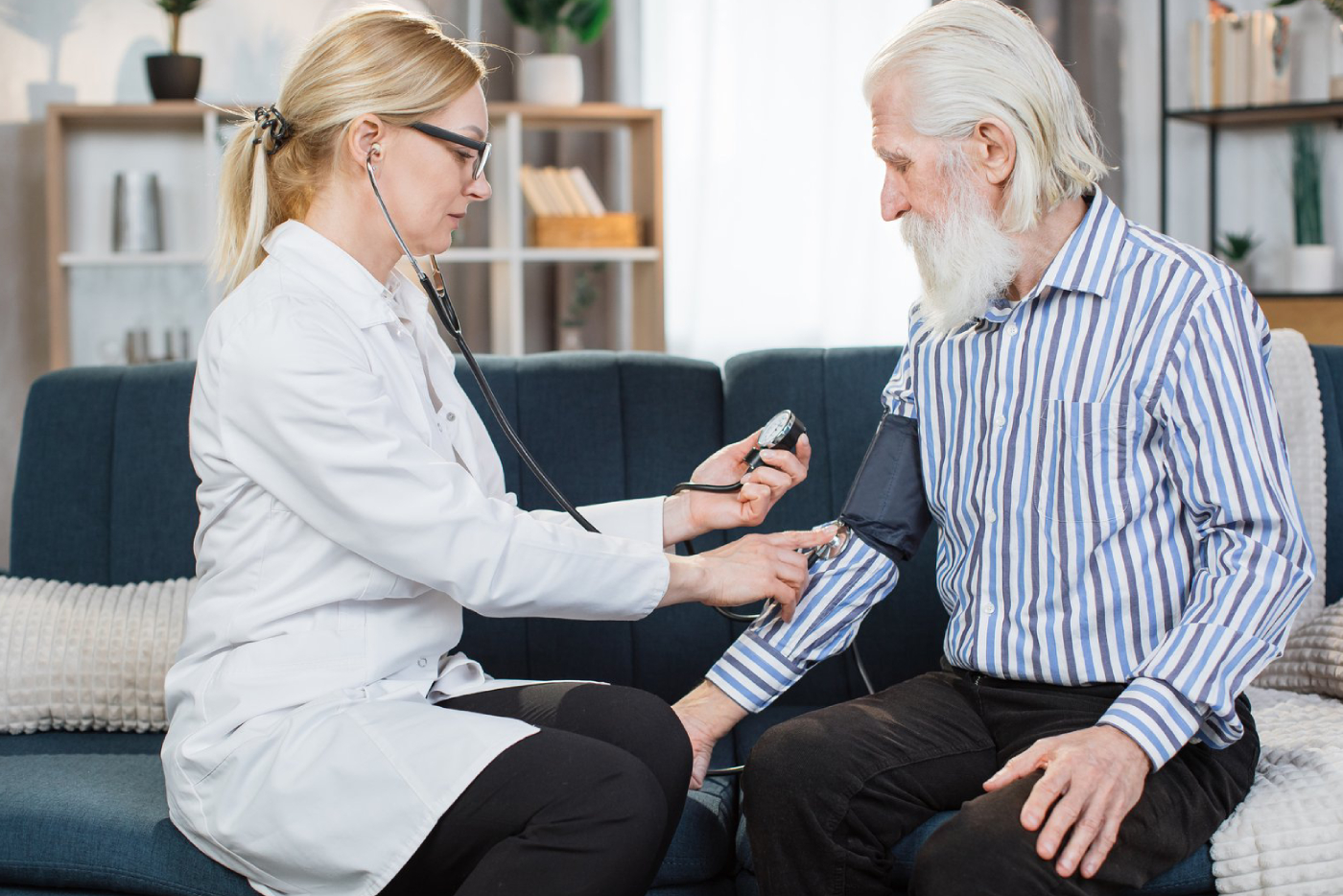
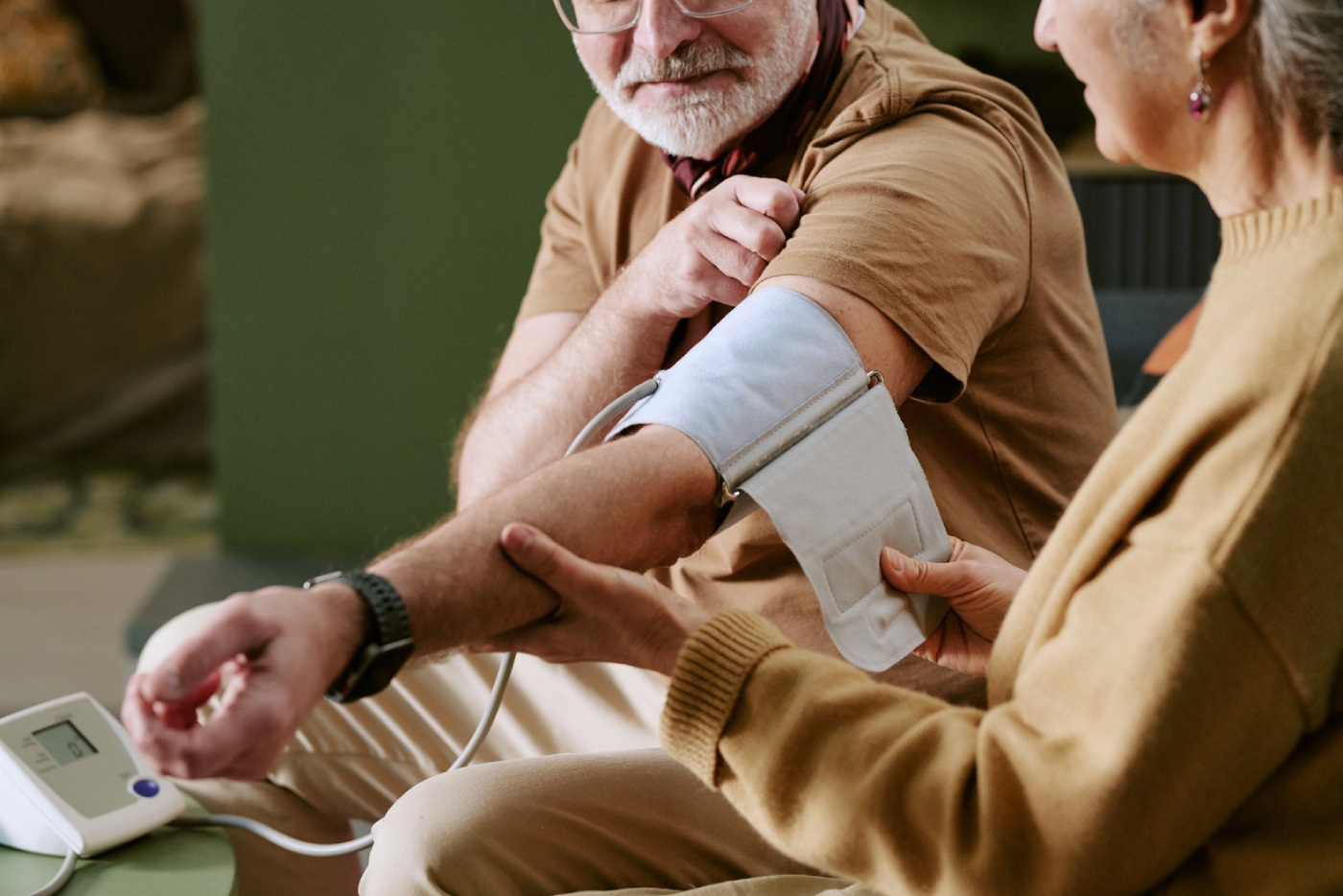

As people age, they often require extra support with daily activities, medical needs, and emotional well-being. In a major city like Chicago, families increasingly rely on personal caregiver support for seniors to ensure their loved ones receive consistent and compassionate care.
Caregivers play a vital role in improving the quality of life for elderly individuals by offering both physical assistance and emotional support. Their work goes beyond basic help—they become trusted companions and essential health supporters.
In this blog, we will explore the role of caregivers in senior health support and why they are so important in elderly care.
1. What Is a Personal Caregiver?
A personal caregiver is a trained or semi-trained professional who assists seniors with daily living activities and health-related needs.
Their responsibilities include:
- Personal care assistance
- Medication reminders
- Mobility support
- Emotional companionship
- Health monitoring support
Caregivers help seniors live safely and comfortably, especially when independent living becomes difficult.
2. Role of Caregivers in Physical Health Support
Caregivers play a key role in maintaining senior physical health.
They assist with:
- Bathing and hygiene
- Dressing and grooming
- Feeding support if needed
- Mobility assistance
This ensures seniors maintain dignity while receiving necessary help.
3. Medication and Health Monitoring Support
Many seniors take multiple medications daily.
Caregivers help by:
- Reminding medication schedules
- Ensuring correct dosage
- Observing side effects
- Tracking health changes
This reduces risks related to missed or incorrect medication use.
4. Chronic Disease Support
Caregivers often assist seniors with chronic conditions such as:
- Diabetes
- Hypertension
- Heart disease
- Arthritis
They help with:
- Monitoring symptoms
- Encouraging healthy routines
- Supporting doctor recommendations
This improves long-term disease management.
5. Mobility and Safety Assistance
Falls are one of the biggest risks for seniors.
Caregivers provide:
- Walking assistance
- Support while moving around the home
- Fall prevention monitoring
- Safe transfer support (bed, chair, etc.)
This helps reduce injuries and hospital visits.
6. Emotional Support and Companionship
One of the most important roles of caregivers is emotional support.
They provide:
- Daily companionship
- Conversation and interaction
- Emotional reassurance
- Support during loneliness
This significantly improves mental health and reduces depression.
7. How Caregivers Improve Mental Health
Caregivers help seniors maintain mental well-being by:
- Encouraging social interaction
- Reducing isolation
- Providing routine structure
- Supporting cognitive engagement activities
This helps slow cognitive decline and improves mood.
8. Daily Assistance Services
Caregivers assist with everyday tasks such as:
- Meal preparation
- Light housekeeping
- Laundry
- Grocery assistance
- Transportation support
These services allow seniors to live independently in their own homes.
9. Importance of Professional Training
Professional caregivers are trained to handle:
- Emergency situations
- Medical emergencies
- Mobility challenges
- Behavioral changes in dementia patients
Proper training ensures safety and quality care.
10. How to Select a Professional Elder Caregiver
Choosing the right caregiver is very important.
Families should consider:
- Experience in elder care
- Certification and training
- Background checks
- Communication skills
- Compassion and patience
A good caregiver should be both skilled and trustworthy.
11. Compatibility with the Senior
Caregiver compatibility is essential for comfort.
Look for:
- Personality match
- Language understanding
- Cultural comfort
- Emotional connection
A strong bond improves care quality.
12. Role in Family Support
Caregivers also support families by:
- Reducing caregiving stress
- Providing updates on health
- Helping manage care routines
This allows families to focus on emotional connection instead of full-time caregiving burden.
13. Safety and Emergency Handling
Caregivers are trained to handle emergencies such as:
- Falls
- Sudden illness
- Medication reactions
They act quickly and coordinate with medical professionals when needed.
14. Importance in Chicago Healthcare Environment
In a busy city like Chicago, caregivers are especially important because:
- Seniors may live alone
- Healthcare access may require coordination
- Families may have busy schedules
Caregivers provide consistent, reliable support at home.
15. Overall Impact on Quality of Life
Personal caregivers improve senior life by combining:
- Physical assistance
- Emotional care
- Medical support
- Daily living help
This leads to a safer, healthier, and more independent lifestyle.
Conclusion
Caregivers play a crucial role in senior health support by providing daily assistance, emotional companionship, and medical monitoring. They help seniors maintain dignity, independence, and quality of life.
For families in Chicago, personal caregiver support is one of the most effective ways to ensure safe and compassionate elderly care at home.