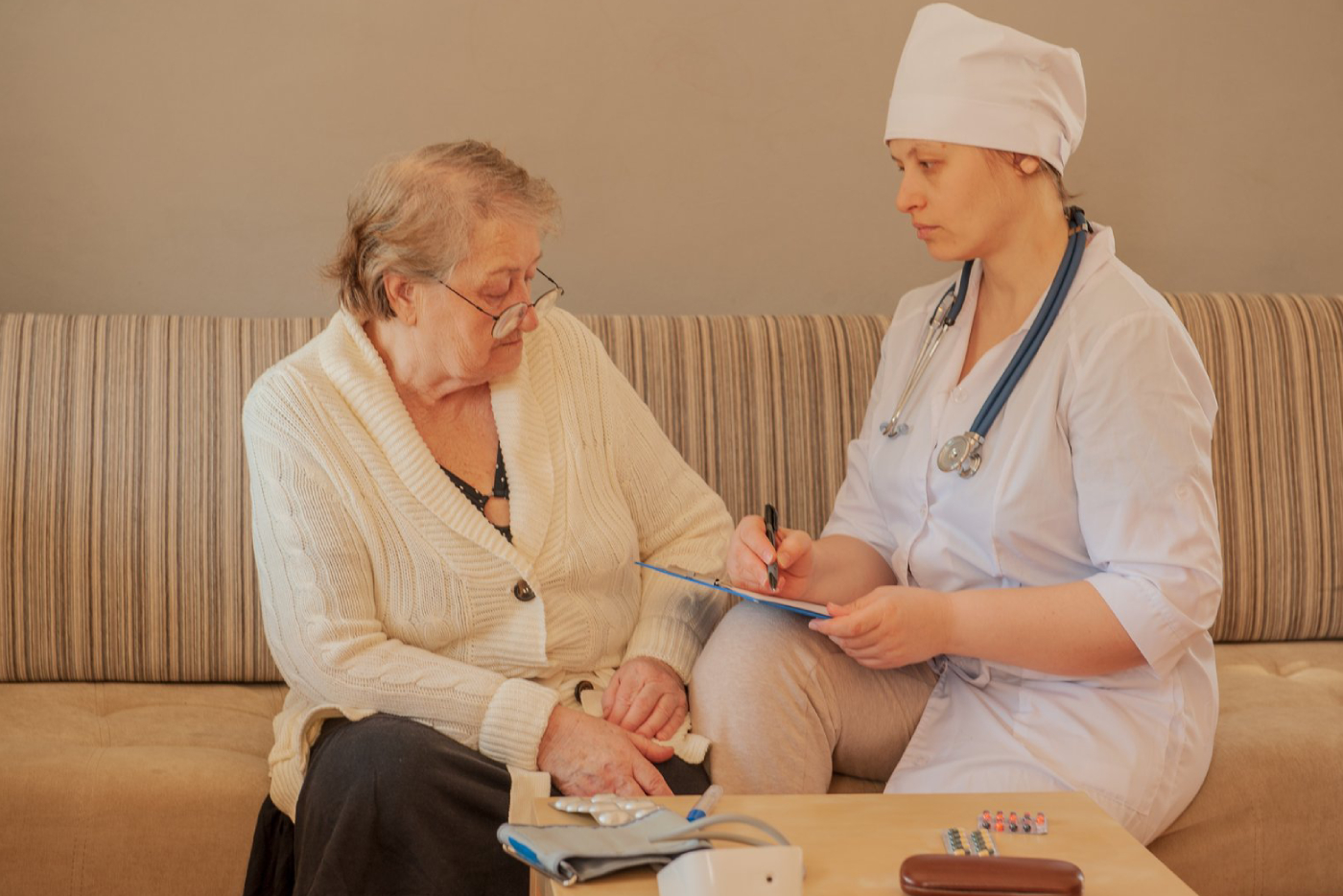

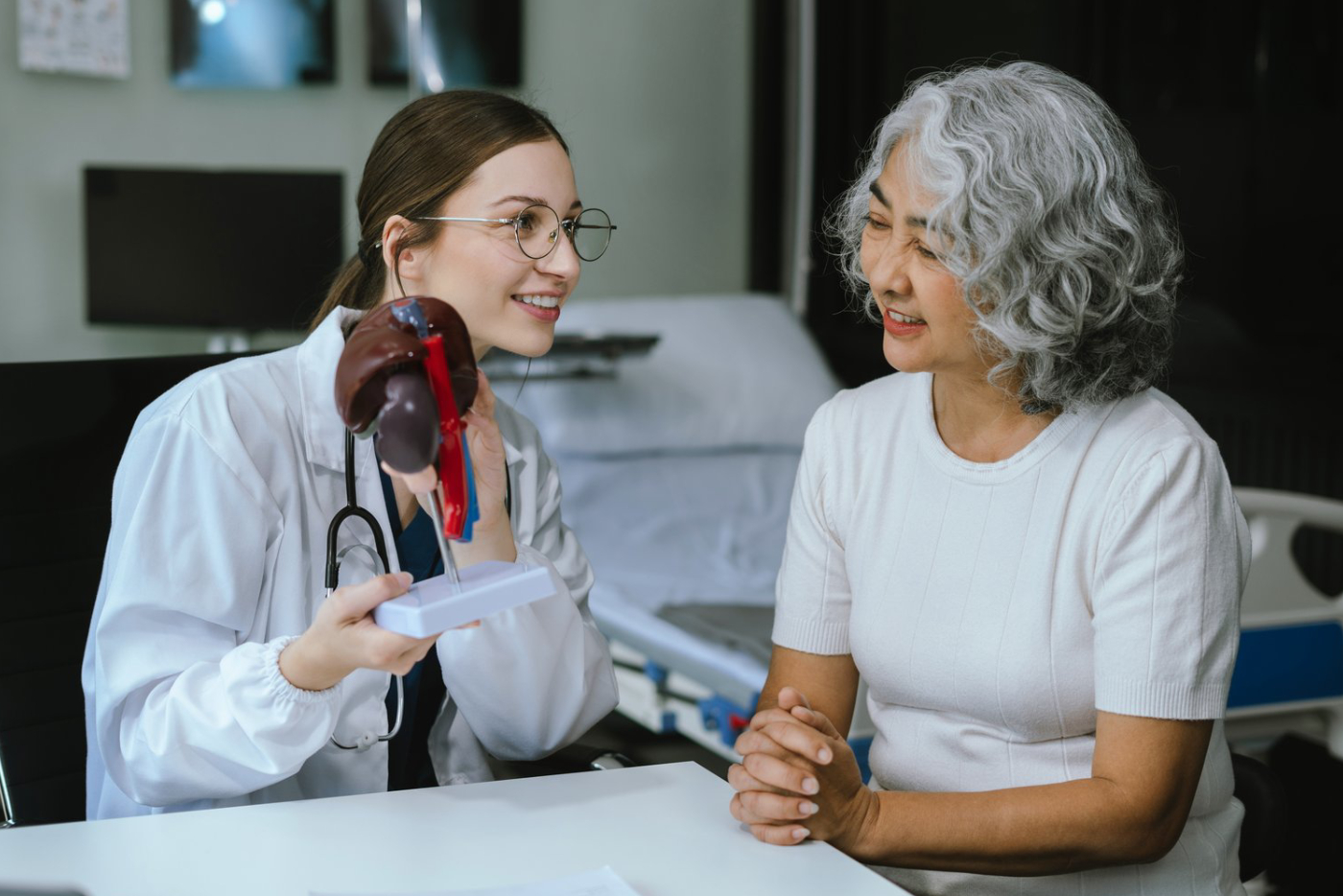






As seniors age, emotional well-being becomes just as important as physical health. In a large urban city like Chicago, many elderly individuals live alone or experience reduced social interaction, which can lead to loneliness, anxiety, and depression.
This is where personal caregivers play a vital role. Beyond physical assistance, caregivers provide emotional support that significantly improves a senior’s mental health and overall quality of life.
In this blog, we will explore the emotional benefits of personal caregivers for seniors and why their role is so important in elderly care.
1. Reduced Feelings of Loneliness
One of the biggest emotional challenges for seniors is loneliness.
Caregivers help by:
- Providing daily companionship
- Engaging in conversations
- Spending quality time with seniors
- Encouraging social interaction
This reduces isolation and helps seniors feel valued and connected.
2. Emotional Security and Comfort
Having a caregiver present gives seniors a sense of emotional safety.
They feel:
- Protected
- Supported
- Less anxious about emergencies
- More confident in daily life
This emotional security improves overall mental well-being.
3. Improved Mood and Happiness
Regular interaction with a caregiver can significantly improve mood.
Caregivers help by:
- Encouraging positive conversations
- Participating in enjoyable activities
- Providing emotional encouragement
This leads to a happier and more positive outlook on life.
4. Reduced Depression and Anxiety
Many seniors suffer from depression due to isolation or health issues.
Caregivers support mental health by:
- Offering companionship
- Listening to concerns
- Providing emotional reassurance
- Encouraging engagement in activities
This helps reduce symptoms of depression and anxiety.
5. Increased Sense of Independence
While caregivers provide support, they also encourage independence.
Seniors feel:
- More in control of their lives
- Confident in their abilities
- Respected in their decisions
This balance improves emotional strength and dignity.
6. Stronger Social Connection
Caregivers often help seniors stay socially active.
They may assist with:
- Family communication
- Social visits
- Community engagement
- Phone or video calls with loved ones
This helps seniors maintain meaningful relationships.
7. Companionship During Daily Activities
Even simple daily tasks become more enjoyable with companionship.
Caregivers provide support during:
- Meals
- Walks
- Shopping
- Leisure activities
This reduces emotional isolation during routine life.
8. Emotional Stability in Difficult Times
Seniors may experience emotional challenges such as:
- Loss of loved ones
- Health decline
- Mobility limitations
Caregivers provide stability by:
- Offering reassurance
- Listening patiently
- Providing comfort during stress
This helps seniors cope better emotionally.
9. Improved Cognitive Health Through Interaction
Emotional engagement also supports brain health.
Caregivers help by:
- Talking regularly with seniors
- Playing memory games
- Encouraging mental activities
This keeps the mind active and reduces cognitive decline.
10. Building Trust and Emotional Bond
Over time, caregivers often become trusted companions.
This relationship provides:
- Emotional attachment
- Sense of familiarity
- Long-term trust
Such bonds significantly improve emotional well-being.
11. Encouragement and Motivation
Caregivers motivate seniors to stay active and positive.
They encourage:
- Physical exercise
- Healthy routines
- Social participation
This boosts confidence and emotional strength.
12. Reduced Stress for Seniors
With a caregiver’s support, seniors feel less stressed about:
- Daily responsibilities
- Health concerns
- Safety issues
Reduced stress leads to better emotional balance.
13. Family Peace of Mind
Caregivers also help reduce emotional stress for families.
Families feel:
- Reassured about their loved one’s safety
- Less guilt or worry
- More connected through updates
This improves emotional harmony within families.
14. Importance in Chicago Healthcare Environment
In a busy city like Chicago, caregivers are especially important because:
- Many seniors live alone
- Families may be busy with work
- Social isolation is common
Caregivers help bridge the emotional gap and provide consistent companionship.
15. Overall Emotional Impact
Personal caregivers improve emotional health by combining:
- Companionship
- Support
- Encouragement
- Stability
This leads to a more fulfilling, peaceful, and happy life for seniors.
Conclusion
The emotional benefits of personal caregivers are just as important as physical care. They reduce loneliness, improve mood, provide stability, and enhance overall well-being.
For seniors in Chicago, caregivers play a crucial role in ensuring emotional comfort, dignity, and happiness in daily life.