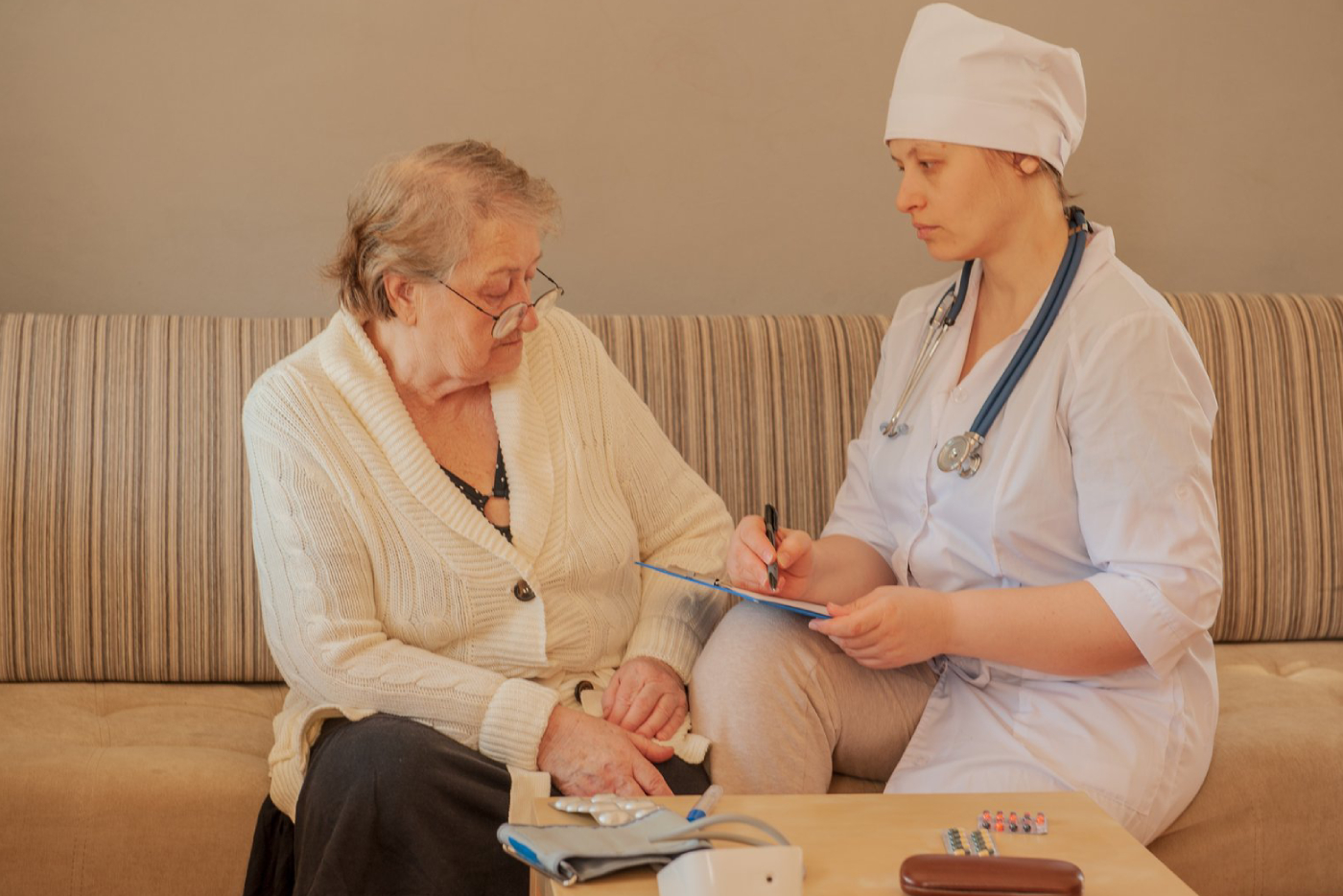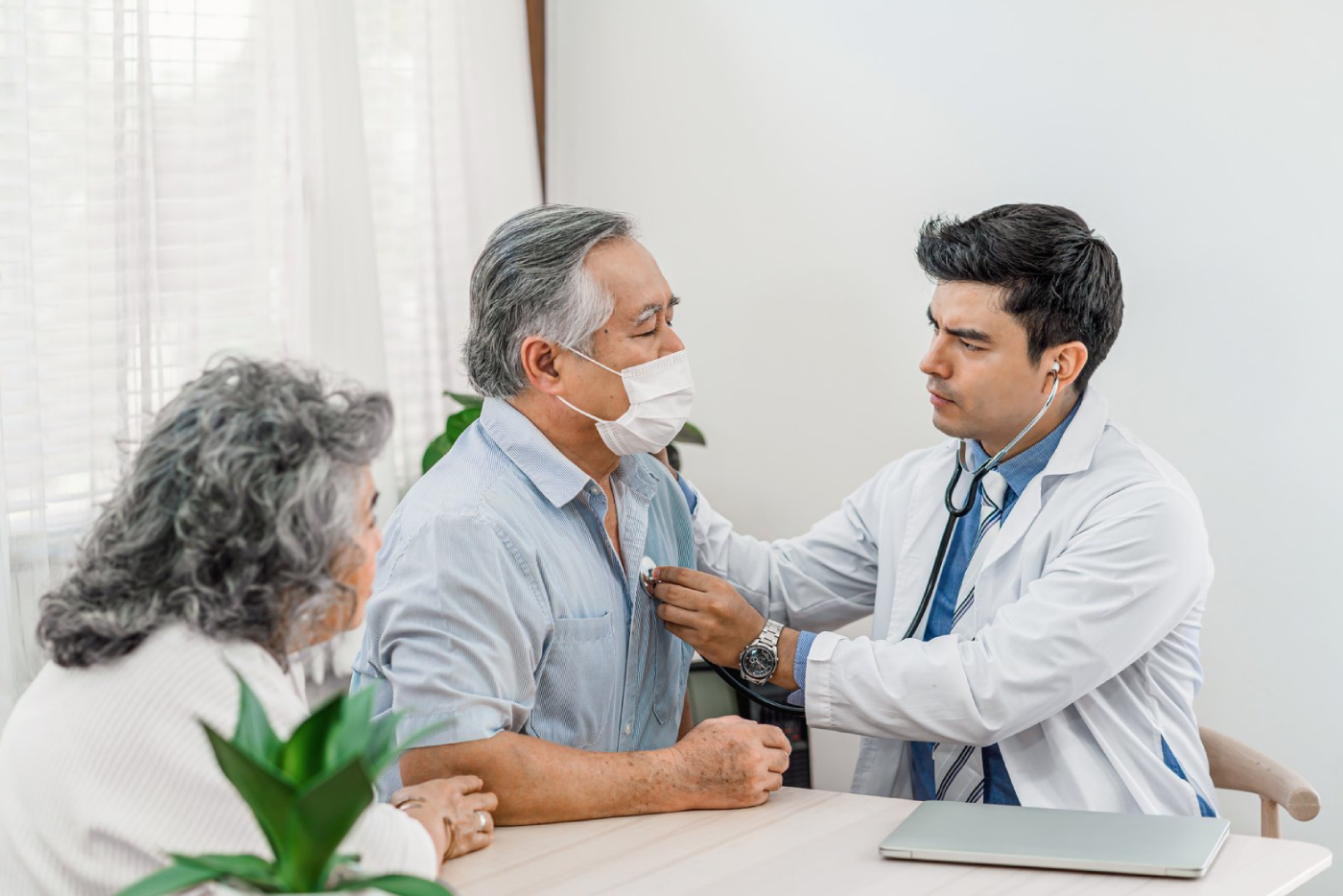

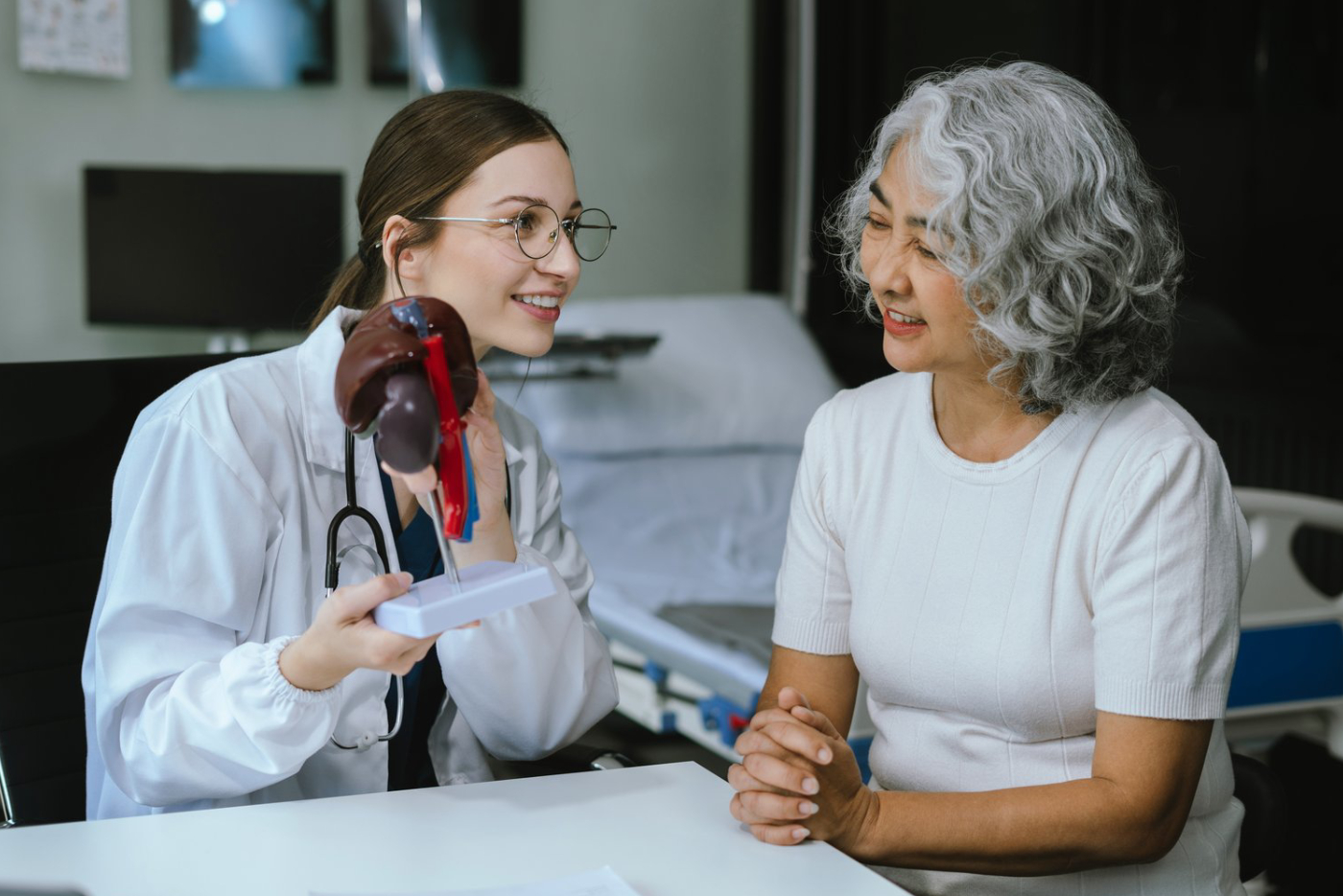

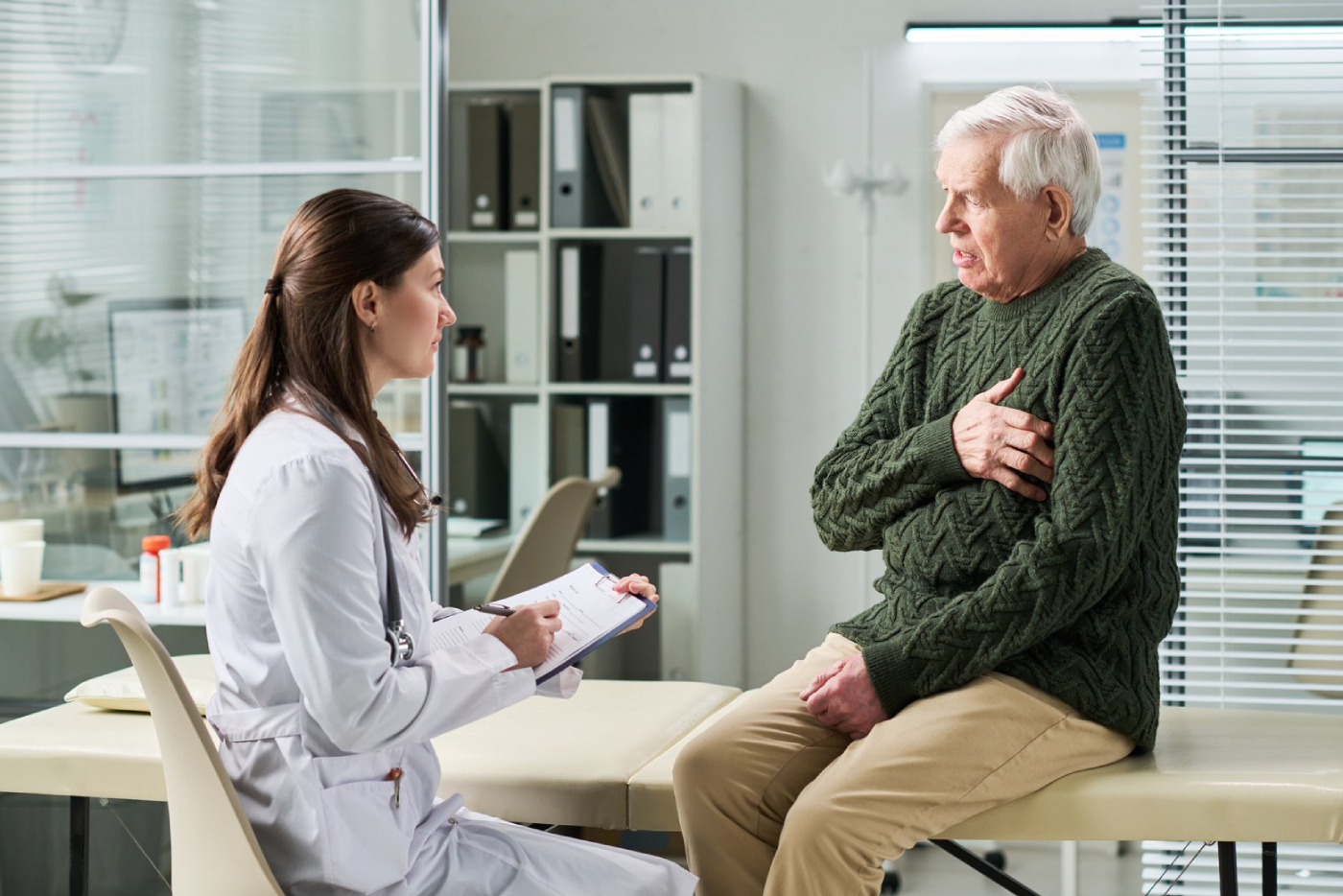

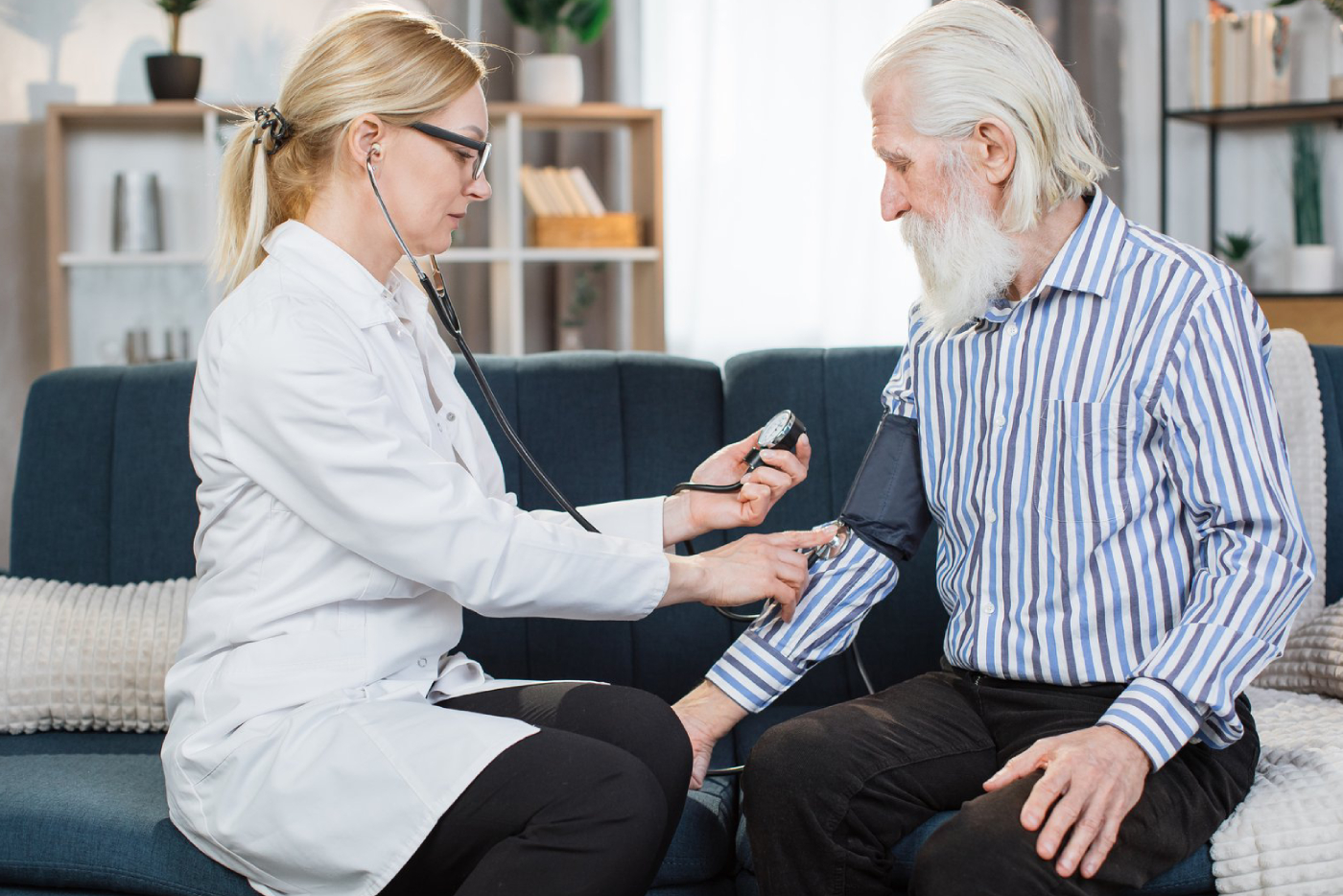
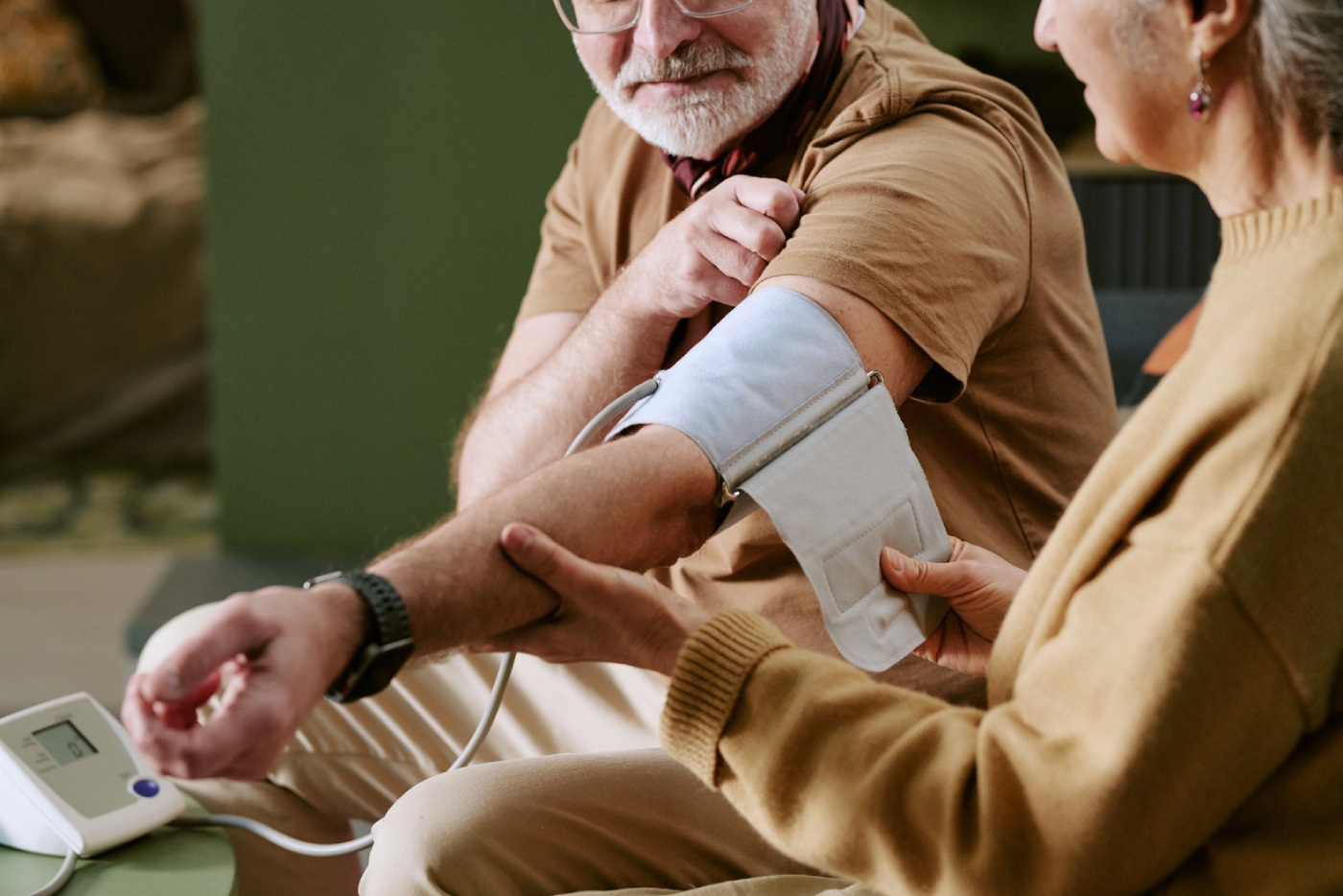

As people age, their risk of developing chronic and hidden health conditions increases significantly. Many diseases in older adults do not show clear symptoms in the early stages. In a major city like Chicago, full health screening for seniors is an essential part of preventive healthcare that helps detect problems before they become serious.
A full health screening provides a complete overview of a senior’s physical condition, helping doctors identify risks, monitor existing illnesses, and recommend timely treatment.
In this blog, we will explain when seniors need full health screening and why it is important for long-term wellness.
1. What Is Full Health Screening?
Full health screening is a comprehensive set of medical tests that evaluate overall health.
It may include:
- Blood tests
- Urine analysis
- Heart tests (ECG)
- Imaging scans
- Vitamin level checks
- Organ function tests
It gives a complete picture of a person’s health status.
2. Age Factor (60 and Above)
One of the most important reasons for full screening is age.
Seniors aged 60+ should undergo regular screening because:
- Body functions slow down
- Disease risk increases
- Recovery becomes slower
Routine screening helps detect issues early.
3. Presence of Chronic Diseases
Full screening is necessary if a senior has:
- Diabetes
- Heart disease
- Kidney problems
- Arthritis
It helps monitor disease progression and treatment effectiveness.
4. Unexplained Symptoms
Seniors should undergo full screening if they experience:
- Constant fatigue
- Sudden weight loss
- Weakness
- Dizziness
These symptoms may indicate hidden health issues.
5. Family History of Disease
A strong family history increases risk.
Screening is important if there is a history of:
- Heart disease
- Diabetes
- Cancer
- Stroke
Early detection can prevent future complications.
6. After Hospitalization or Surgery
Full screening is recommended after:
- Major surgery
- Serious illness
- Long hospital stay
It helps assess recovery and overall health status.
7. Regular Annual Checkups
Even healthy seniors should get screened:
- Once a year
- Or as advised by a doctor
This ensures early detection of silent diseases.
8. Medication Monitoring
Seniors taking multiple medications need screening to:
- Check side effects
- Monitor organ health
- Adjust dosage if needed
This prevents complications from long-term medication use.
9. Lifestyle Risk Factors
Full screening is important for seniors with:
- Poor diet
- Physical inactivity
- Smoking history
- Alcohol use
These factors increase disease risk.
10. Cognitive or Memory Changes
Screening is needed when seniors show:
- Memory loss
- Confusion
- Behavioral changes
It helps detect dementia or neurological conditions early.
11. Heart-Related Symptoms
Seniors with symptoms like:
- Chest pain
- Shortness of breath
- Irregular heartbeat
should undergo full cardiac screening immediately.
12. Diabetes or Blood Sugar Issues
Full screening helps monitor:
- Blood glucose levels
- HbA1c levels
- Complications affecting kidneys or eyes
Early control prevents long-term damage.
13. Importance in Chicago Healthcare System
In a city like Chicago, full health screening is important because:
- Advanced diagnostic facilities are widely available
- Chronic disease rates are higher in urban populations
- Preventive care reduces emergency visits
This improves senior health outcomes significantly.
14. Emotional Benefits of Screening
Full screening also provides:
- Peace of mind
- Reduced anxiety
- Confidence in health status
Knowing health status helps seniors feel secure.
15. Role of Family in Screening
Family members support by:
- Scheduling regular checkups
- Encouraging preventive care
- Helping with follow-ups
- Managing medical reports
This ensures better compliance.
Conclusion
Full health screening is essential for seniors at different stages of life, especially after age 60 or when health risks increase. It helps detect diseases early, monitor chronic conditions, and improve overall quality of life.
For families in Chicago, regular screening ensures safer aging, better treatment outcomes, and long-term wellness.