





Falls are one of the most common and serious health problems affecting older adults. In many cases, falls are not just caused by environmental hazards but also by underlying medical conditions. In a large city like Chicago, understanding medical risk factors for senior falls is essential for preventing injuries and maintaining independence.
As people age, changes in health, medications, and chronic diseases can all increase the likelihood of falling. Identifying these risks early helps reduce accidents and improve overall safety.
In this blog, we will explore the major medical risk factors that contribute to falls in seniors.
1. Poor Balance and Muscle Weakness
One of the most common medical causes of falls is physical weakness.
This includes:
- Weak leg muscles
- Reduced core strength
- Poor coordination
When muscles are weak, seniors struggle to maintain stability while walking or standing.
2. Arthritis and Joint Disorders
Arthritis affects joint movement and flexibility.
It can cause:
- Pain while walking
- Stiff joints
- Limited mobility
This increases the risk of tripping or losing balance.
3. Vision Problems
Good vision is essential for safe movement.
Medical conditions affecting vision include:
- Cataracts
- Glaucoma
- Macular degeneration
Poor eyesight makes it difficult to see obstacles and uneven surfaces.
4. Neurological Conditions
Brain and nerve disorders significantly increase fall risk.
Examples include:
- Parkinson’s disease
- Stroke recovery issues
- Peripheral neuropathy
These conditions affect coordination and balance control.
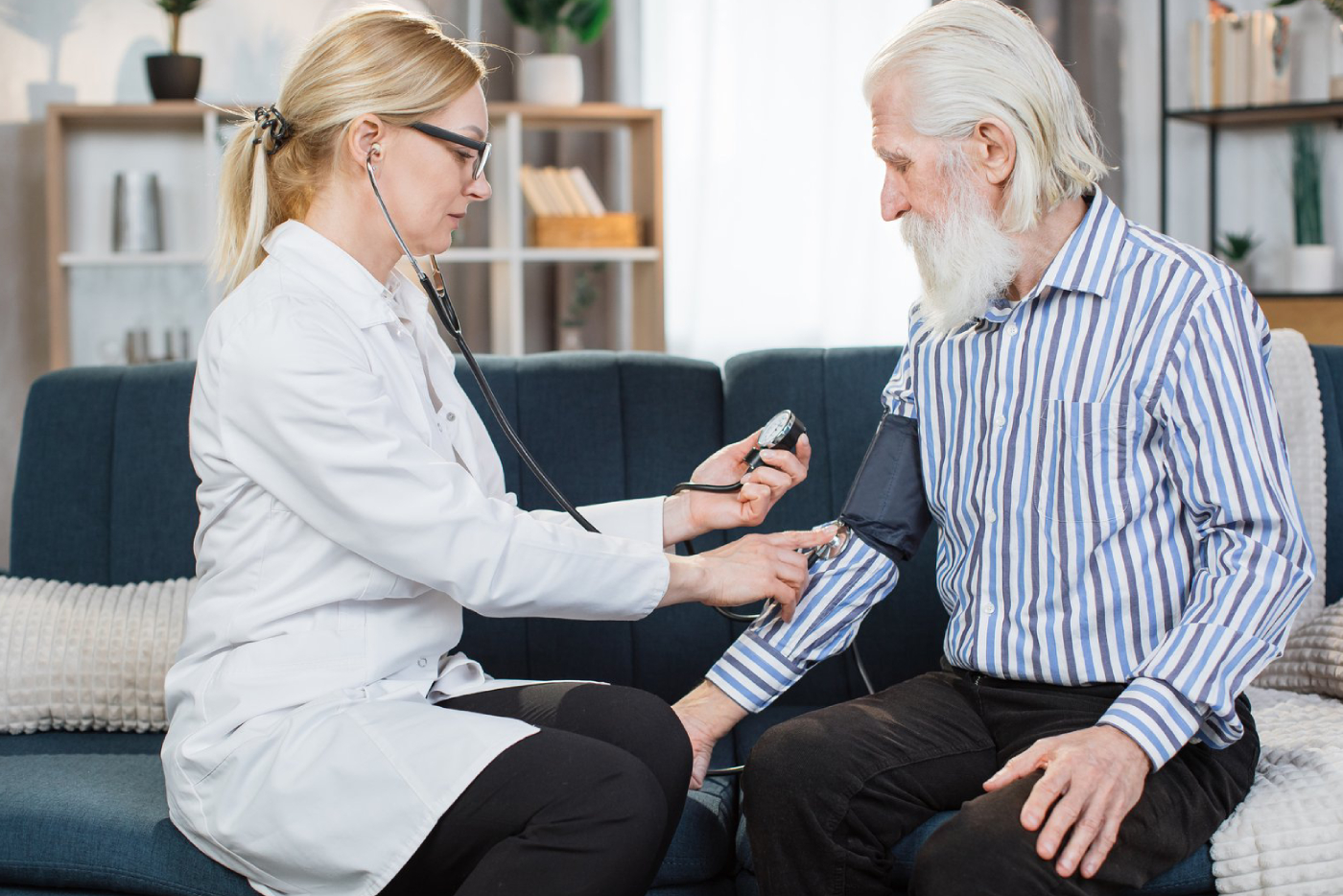
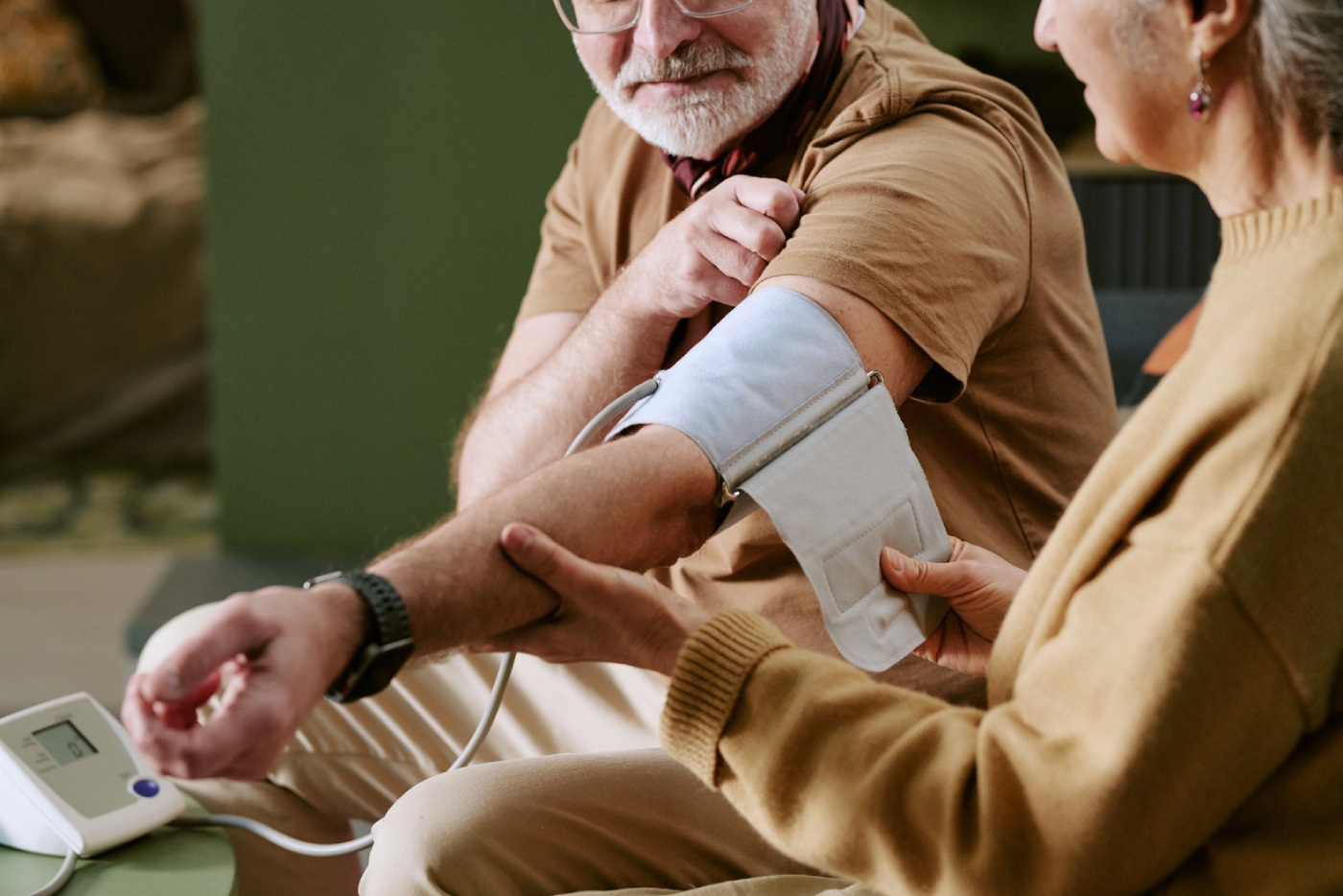
5. Low Blood Pressure (Hypotension)
Sudden drops in blood pressure can cause dizziness.
Symptoms include:
- Lightheadedness
- Fainting
- Weakness when standing
This often leads to unexpected falls.
6. Diabetes and Nerve Damage
Diabetes can lead to nerve damage known as neuropathy.
This causes:
- Numbness in feet
- Reduced sensation
- Difficulty feeling ground stability
Without proper sensation, balance is affected.
7. Heart Conditions
Heart problems can also increase fall risk.
Conditions include:
- Irregular heartbeat
- Heart failure
- Poor circulation
These can lead to fatigue, dizziness, or fainting.
8. Medication Side Effects
Certain medications increase fall risk.
Common culprits include:
- Blood pressure medications
- Sleeping pills
- Sedatives
- Antidepressants
Side effects may include dizziness and drowsiness.
9. Dehydration and Weakness
Lack of proper hydration can cause:
- Fatigue
- Confusion
- Dizziness
This increases the chance of losing balance.
10. Vitamin Deficiencies
Nutritional deficiencies also play a role.
Common deficiencies:
- Vitamin D (weak bones)
- Vitamin B12 (nerve issues)
These weaken muscles and coordination.
11. Cognitive Decline
Memory-related conditions increase fall risk.
These include:
- Dementia
- Alzheimer’s disease
Seniors may forget safe walking practices or misjudge distances.
12. Inner Ear (Balance) Disorders
The inner ear controls balance.
Problems include:
- Vertigo
- Ear infections
- Vestibular disorders
These conditions cause dizziness and imbalance.
13. Post-Surgery Weakness
After surgery, seniors may experience:
- Muscle weakness
- Reduced mobility
- Fatigue
This increases short-term fall risk.
14. Importance of Regular Medical Checkups
Regular checkups help detect risk factors early.
Doctors can:
- Adjust medications
- Treat underlying conditions
- Recommend therapy
In a city like Chicago, access to medical care supports early intervention.
15. Preventing Falls Through Medical Management
Fall prevention includes:
- Treating chronic diseases
- Reviewing medications
- Improving nutrition
- Physical therapy
Medical care plays a key role in safety.
Conclusion
Medical risk factors play a major role in senior falls. Conditions such as weak muscles, arthritis, vision problems, diabetes, and medication side effects can significantly increase fall risk. Identifying and managing these issues early is essential for prevention.
For families in Chicago, regular medical care and monitoring are key to ensuring senior safety, independence, and long-term well-being.