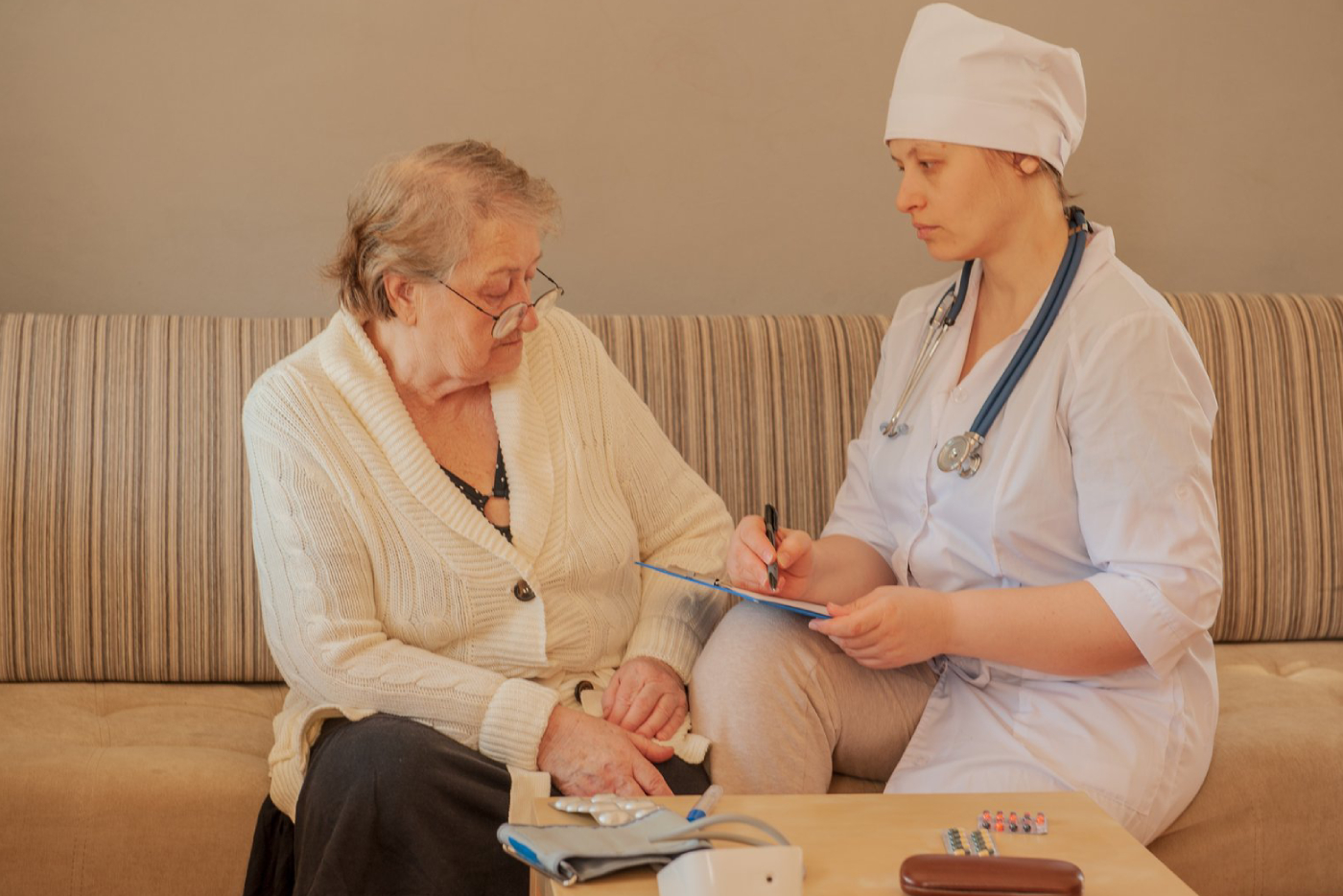

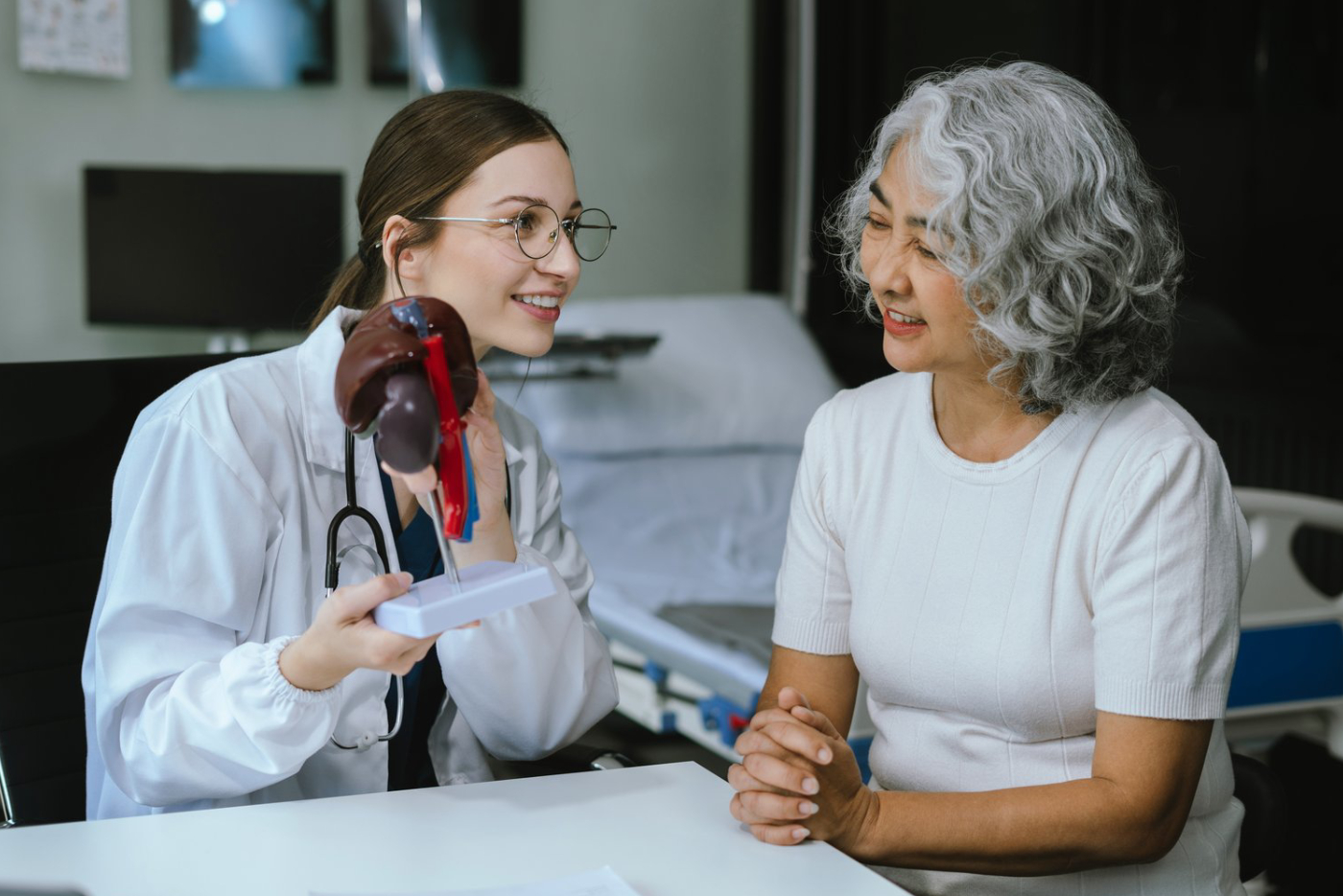






Joint pain is one of the most common problems faced by older adults. In a large city like Chicago, many seniors experience daily discomfort caused by arthritis, wear and tear of joints, or long-term inflammation.
How to reduce joint pain in older adults is an important question because chronic pain can affect mobility, independence, and overall quality of life. The good news is that joint pain can often be managed effectively with the right combination of lifestyle changes, exercises, and medical care.
In this blog, we will explore practical and effective ways to reduce joint pain in seniors.
1. Maintain a Healthy Weight
Excess body weight puts extra pressure on joints, especially knees, hips, and lower back.
Benefits of weight management include:
- Reduced joint stress
- Less pain during movement
- Improved mobility
Even small weight loss can significantly reduce pain levels.
2. Stay Physically Active
Regular movement helps keep joints flexible.
Recommended activities include:
- Walking
- Swimming
- Cycling
- Light stretching
Staying active prevents stiffness and improves joint function.
3. Do Low-Impact Exercises
Low-impact exercises are safe for seniors with joint pain.
These include:
- Yoga
- Chair exercises
- Water aerobics
- Gentle stretching
These activities strengthen muscles without stressing joints.
4. Use Heat and Cold Therapy
Simple home treatments can provide quick relief.
Heat Therapy:
- Reduces stiffness
- Improves blood flow
Cold Therapy:
- Reduces swelling
- Numbs pain
Alternating both can be very effective.
5. Improve Daily Posture
Poor posture increases joint strain.
Seniors should:
- Sit upright
- Avoid slouching
- Use supportive chairs
Proper posture reduces pressure on joints.
6. Use Joint Support Devices
Assistive devices can help reduce pain.
Examples include:
- Knee braces
- Walking sticks
- Orthopedic shoes
These devices improve stability and reduce stress on joints.
7. Eat an Anti-Inflammatory Diet
Food plays a major role in joint health.
Helpful foods include:
- Fruits and vegetables
- Fish rich in omega-3
- Nuts and seeds
- Whole grains
Avoid:
- Processed foods
- Sugary drinks
- Fried items
Healthy eating reduces inflammation.
8. Stay Hydrated
Water helps lubricate joints.
Seniors should:
- Drink enough water daily
- Avoid dehydration
- Limit caffeine intake
Proper hydration improves joint flexibility.
9. Manage Stress Levels
Stress can increase inflammation and pain.
Helpful techniques include:
- Deep breathing
- Meditation
- Relaxation exercises
- Listening to calming music
Stress control improves overall pain levels.
10. Get Enough Rest
Rest is important for joint recovery.
Seniors should:
- Avoid overuse of painful joints
- Take breaks during activity
- Maintain good sleep habits
Balanced rest helps reduce inflammation.
11. Physical Therapy for Joint Pain
Physical therapy helps improve strength and flexibility.
Benefits include:
- Better joint movement
- Reduced stiffness
- Improved balance
Therapists design safe exercise plans for seniors.
12. Massage Therapy
Gentle massage can help reduce pain.
It improves:
- Blood circulation
- Muscle relaxation
- Joint flexibility
Massage should be done carefully for seniors.
13. Medication for Pain Relief
Doctors may prescribe medications such as:
- Anti-inflammatory drugs
- Pain relievers
- Topical creams
Medication should always be taken under medical supervision.
14. Importance of Early Treatment in Chicago
In a city like Chicago, early treatment is important because:
- Advanced orthopedic care is available
- Early diagnosis prevents joint damage
- Rehabilitation services are accessible
Early care improves long-term mobility.
15. Family Support in Pain Management
Family members can help by:
- Encouraging exercise
- Assisting with daily activities
- Supporting medical visits
- Providing emotional care
Support improves recovery and comfort.
Conclusion
Reducing joint pain in older adults requires a combination of healthy lifestyle habits, exercise, proper medical care, and emotional support. With consistent effort, seniors can significantly improve mobility and reduce discomfort.
For families in Chicago, these strategies help ensure better quality of life and long-term joint health.