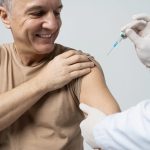







As people age, their immune system naturally becomes weaker, making them more vulnerable to infections and diseases. In a major city like Chicago, preventive healthcare plays a very important role in protecting seniors from serious illnesses.
Vaccination for seniors in Chicago is one of the most effective ways to prevent life-threatening infections, reduce hospitalizations, and improve overall health outcomes.
In this blog, we will explore essential vaccines for older adults, why immunization is important, flu shots for seniors, and the recommended vaccination schedule.
1. Why Vaccination Is Important for Seniors
Vaccines are essential because:
- Immune system weakens with age
- Risk of complications increases
- Recovery from infections becomes slower
- Chronic diseases increase vulnerability
Vaccination helps protect seniors from severe illness and complications.
2. Essential Vaccines for Older Adults
Influenza (Flu Vaccine)
- Protects against seasonal flu
- Recommended every year
- Reduces risk of hospitalization
Pneumococcal Vaccine
- Prevents pneumonia and blood infections
- Very important for seniors
- Helps avoid severe lung complications
Shingles Vaccine
- Prevents shingles and nerve pain
- Recommended for adults over 50 or 60
- Reduces long-term nerve damage
COVID-19 Vaccine
- Protects against severe respiratory illness
- Reduces hospitalization risk
- Boosters may be required
Tdap Vaccine
- Protects against tetanus, diphtheria, and whooping cough
- Important booster for adults
3. Seasonal Flu Shots for Elderly Patients
Flu is more dangerous for seniors because it can lead to:
- Pneumonia
- Hospitalization
- Severe respiratory complications
Flu shots help by:
- Reducing infection risk
- Lowering severity of illness
- Protecting high-risk individuals
Seniors should get vaccinated every year.
4. How Vaccines Protect the Elderly
Vaccines work by:
- Strengthening immune response
- Preparing the body to fight infections
- Reducing severity of disease
This helps seniors stay healthier for longer.
5. Recommended Vaccination Schedule for Seniors
A general schedule includes:
Yearly:
- Influenza vaccine
Every 5–10 years:
- Tdap booster
One-time or as recommended:
- Pneumococcal vaccine
- Shingles vaccine
COVID-19:
- Initial series + boosters as recommended
Doctors may adjust schedules based on health conditions.
6. Importance of Preventive Care in Chicago
In a city like Chicago, preventive care is essential because:
- Seasonal infections spread easily
- Urban population density increases risk
- Access to vaccines is widely available
Preventive care helps reduce hospital visits.
7. Who Needs Vaccines Most
Vaccines are especially important for seniors who:
- Have diabetes
- Have heart disease
- Suffer from lung conditions
- Have weakened immune systems
These individuals are at higher risk of complications.
8. Side Effects of Vaccines in Seniors
Most side effects are mild, such as:
- Arm soreness
- Mild fever
- Fatigue
- Headache
Serious side effects are rare and should be reported to a doctor.
9. Myths About Vaccination
Common myths include:
- “Vaccines are not needed in old age” (False)
- “Flu shots cause flu” (False)
- “Healthy seniors don’t need vaccines” (False)
Vaccines are important at every age.
10. Role of Family in Vaccination
Family members help by:
- Scheduling vaccine appointments
- Encouraging timely immunization
- Tracking vaccine records
- Supporting healthcare visits
This ensures better protection.
11. Combining Vaccination with Healthy Lifestyle
Vaccines work best with:
- Healthy diet
- Regular exercise
- Good sleep
- Chronic disease control
This strengthens overall immunity.
12. Importance of Regular Checkups
Doctors help by:
- Recommending required vaccines
- Monitoring health conditions
- Updating immunization schedules
Regular checkups ensure proper protection.
13. Long-Term Benefits of Vaccination
Vaccination helps seniors:
- Reduce infection risk
- Avoid hospital stays
- Maintain independence
- Improve quality of life
Preventive care is always better than treatment.
Conclusion
Vaccination for seniors is a crucial part of preventive healthcare. Essential vaccines such as flu, pneumonia, shingles, and COVID-19 help protect older adults from serious infections.
For families in Chicago, staying up to date with vaccinations ensures stronger immunity and better long-term health outcomes.