
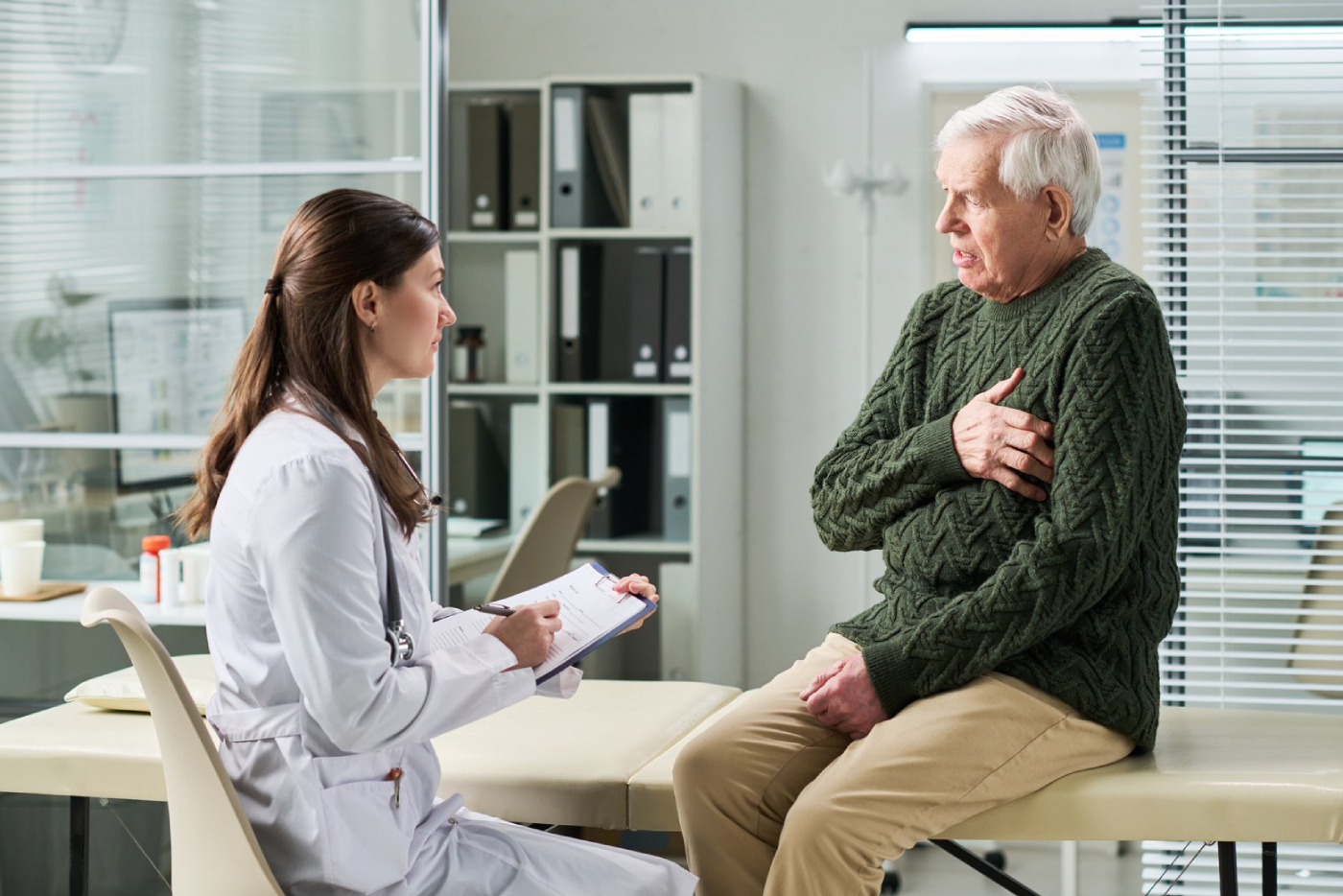

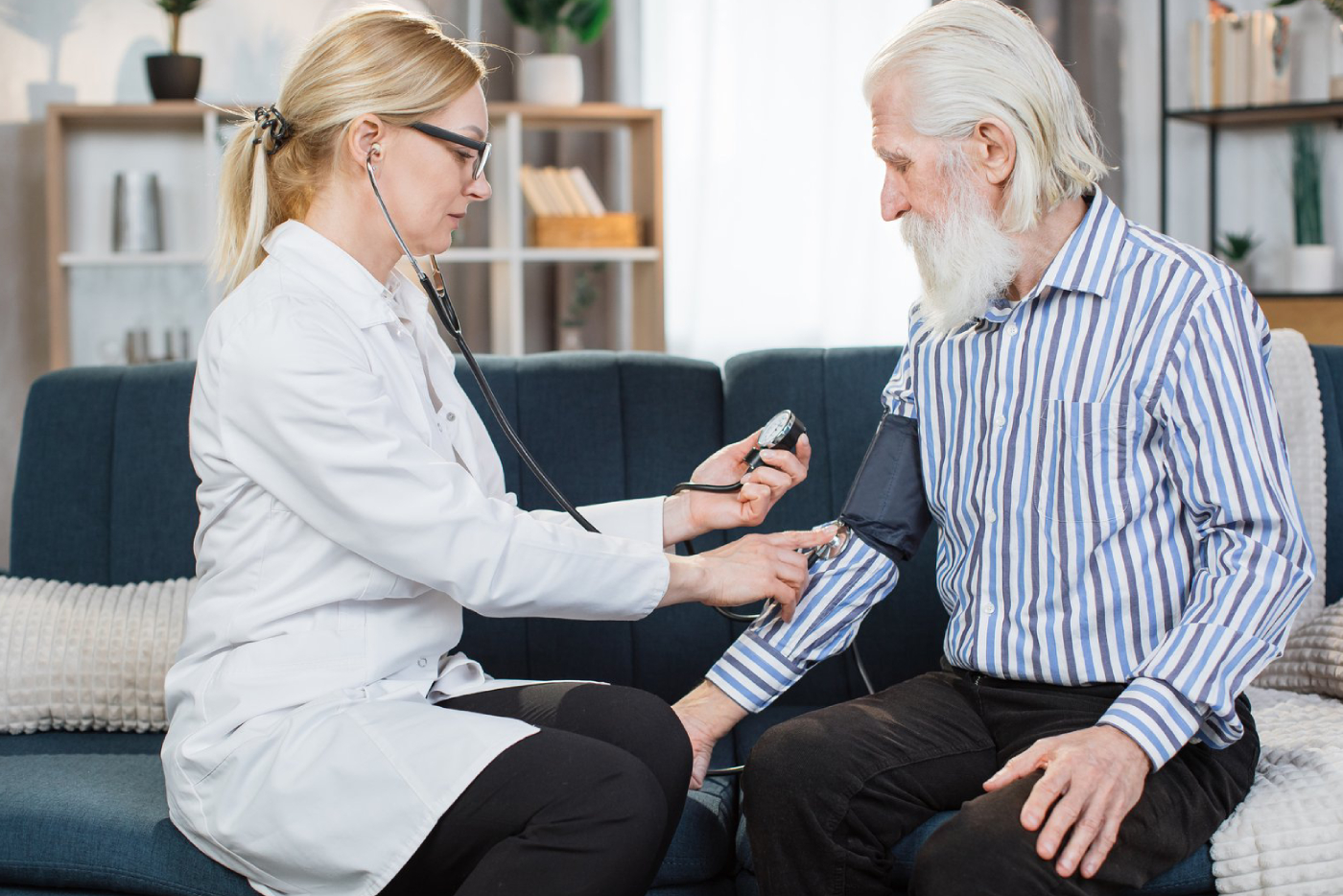
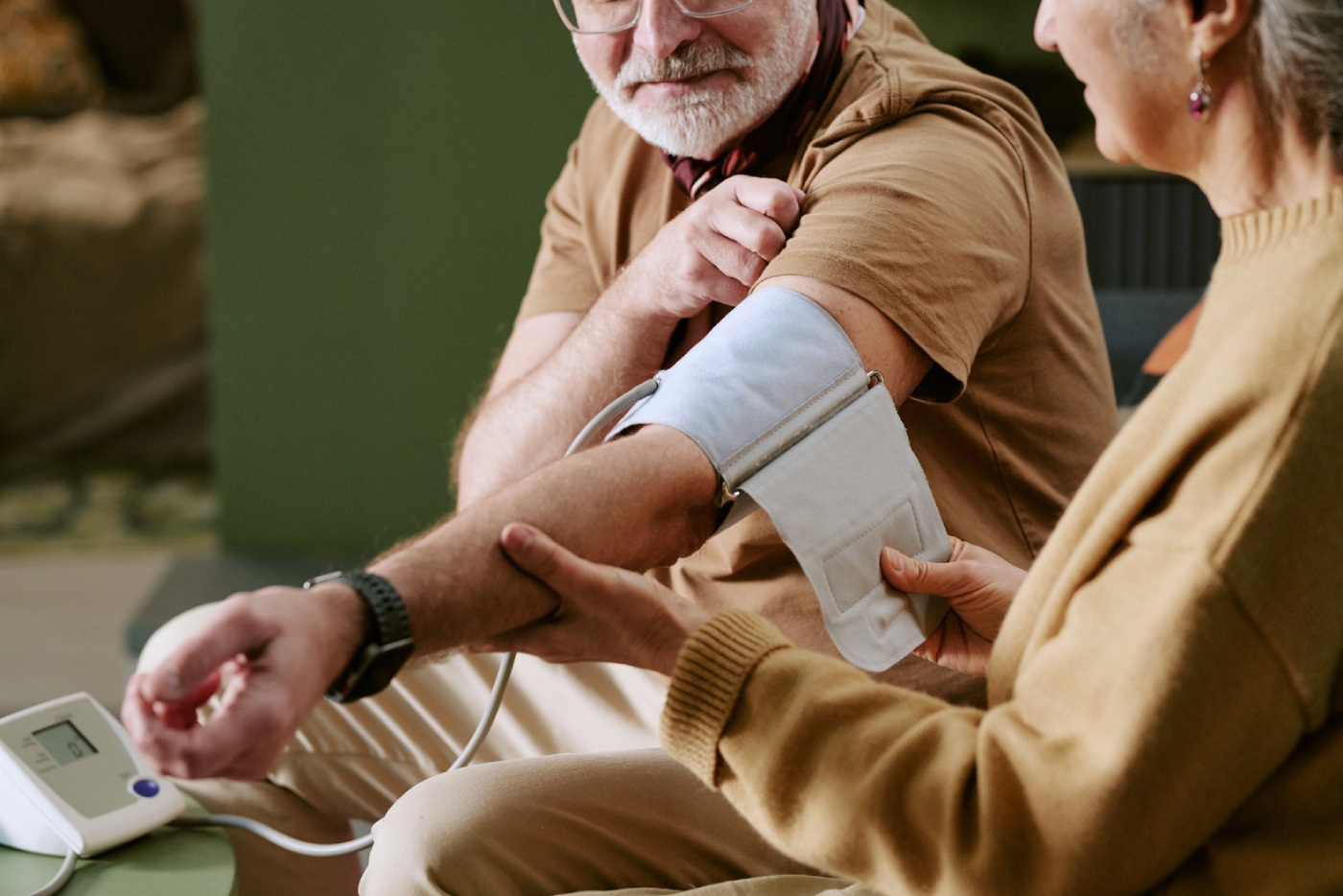

As people age, their bodies become more vulnerable to chronic illnesses and degenerative conditions. In a large urban environment like Chicago, seniors often face health challenges due to lifestyle, stress, and delayed diagnosis.
One of the most powerful ways to improve senior health outcomes is early disease detection. It allows doctors to identify health problems before they become severe, enabling timely treatment and better recovery.
In this blog, we will explore the importance of early disease detection in elderly patients and how it improves overall health and longevity.
1. What Is Early Disease Detection?
Early disease detection means identifying illnesses in their initial stages, even before noticeable symptoms appear.
It is achieved through:
- Regular screenings
- Blood tests
- Physical examinations
- Imaging tests
- Cognitive assessments
The goal is to catch diseases early when they are easier to treat and manage.
2. Why Early Detection Is So Important for Seniors
Older adults are at higher risk for many diseases, including:
- Diabetes
- Heart disease
- Cancer
- Kidney disorders
- Dementia
Early detection is important because:
- Diseases progress faster in older adults
- Symptoms are often mild or unnoticed
- Treatment is more effective in early stages
- Complications can be prevented
3. Detection of Chronic Diseases Before Symptoms Appear
Many chronic diseases develop silently.
For example:
- High blood pressure often has no symptoms
- Diabetes can develop gradually
- Kidney disease may remain hidden for years
Regular checkups help detect these conditions early, allowing timely treatment.
4. Early Diagnosis of Heart Conditions
Heart disease is one of the leading health risks for seniors.
Early detection includes:
- ECG tests
- Blood pressure monitoring
- Cholesterol screening
This helps prevent:
- Heart attacks
- Stroke
- Heart failure
Early intervention significantly improves survival rates.
5. Early Detection of Diabetes and Complications
Diabetes is common among seniors and can lead to serious complications if undiagnosed.
Early detection helps:
- Control blood sugar levels
- Prevent kidney damage
- Protect vision
- Reduce nerve damage
Blood tests like HbA1c play a key role in early diagnosis.
6. Cancer Screening and Early Identification
Cancer risk increases with age.
Common screenings include:
- Colon cancer screening
- Breast cancer screening
- Prostate tests
- Skin examinations
Early detection allows:
- Less aggressive treatment
- Higher survival rates
- Better recovery outcomes
7. Cognitive Decline and Memory Loss Detection
Mental health is a critical part of senior care.
Early signs of:
- Dementia
- Alzheimer’s disease
- Cognitive impairment
can be identified through:
- Memory tests
- Behavioral assessments
- Neurological evaluations
Early diagnosis helps families plan care and slows disease progression.
8. Kidney and Liver Disease Detection
Kidney and liver problems often develop without early symptoms.
Routine tests can detect:
- Kidney dysfunction
- Liver inflammation
- Toxic buildup
Early treatment prevents long-term organ damage and complications.
9. Bone Health and Osteoporosis Detection
Bone weakness is common in elderly individuals.
Early detection includes:
- Bone density scans
- Calcium level testing
This helps prevent:
- Fractures
- Mobility loss
- Long-term disability
10. Importance of Regular Screening Tests
Regular screenings are the foundation of early disease detection.
Common tests include:
- Blood sugar tests
- Cholesterol profile
- CBC (blood count)
- Urine analysis
- ECG
These tests help identify hidden health issues early.
11. Role of Preventive Care in Early Detection
Preventive care and early detection work together.
Preventive care ensures:
- Regular checkups
- Lifestyle monitoring
- Vaccinations
- Risk assessments
This increases the chances of catching diseases early.
12. Better Treatment Outcomes Through Early Diagnosis
Early detection improves treatment outcomes significantly.
Benefits include:
- Faster recovery
- Less aggressive treatment
- Lower medical costs
- Reduced complications
The earlier a disease is detected, the easier it is to manage.
13. Reduced Hospitalization Rates
Early diagnosis helps prevent severe health conditions that lead to hospitalization.
It reduces:
- Emergency room visits
- Long hospital stays
- Intensive care requirements
This improves both health and financial stability.
14. Importance in Chicago Healthcare System
In a busy healthcare environment like Chicago, early detection is especially important because:
- Healthcare demand is high
- Seniors may delay care
- Chronic diseases are common
Early detection ensures better management and faster intervention.
15. Family Role in Early Detection
Families play a key role by:
- Encouraging regular checkups
- Observing early symptoms
- Tracking health changes
- Supporting medical visits
This improves early diagnosis and timely treatment.
Conclusion
Early disease detection is one of the most important aspects of senior healthcare. It allows doctors to identify conditions before they become serious, leading to better treatment outcomes and improved quality of life.
For seniors in Chicago, early detection is essential for safe, healthy, and independent aging.