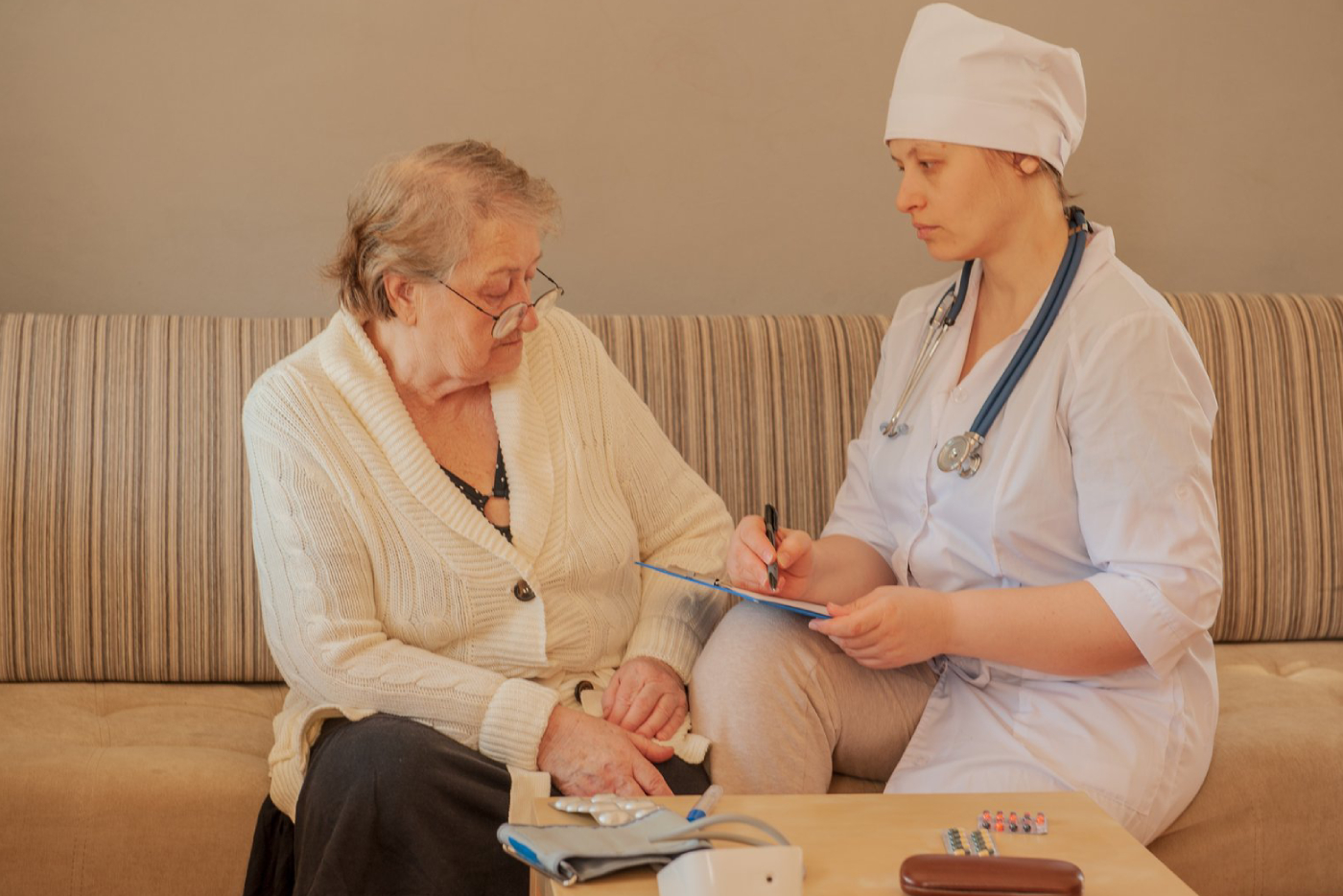







As people age, chronic diseases become more common and require structured, long-term care. In a major city like Chicago, many seniors live with conditions such as diabetes, hypertension, heart disease, arthritis, and kidney disorders.
Managing these conditions is not about one-time treatment—it requires well-planned, continuous treatment strategies tailored specifically for older adults.
In this blog, we will explore the best treatment plans for elderly chronic conditions and how they help improve health, stability, and quality of life.
1. What Is a Chronic Disease Treatment Plan?
A chronic disease treatment plan is a long-term healthcare strategy designed to:
- Control symptoms
- Prevent complications
- Improve daily functioning
- Maintain overall stability
For seniors, these plans are personalized based on age, medical history, and multiple health conditions.
2. Personalized Treatment Approach
No two seniors are the same, so treatment must be individualized.
A personalized plan includes:
- Adjusted medication doses
- Lifestyle recommendations
- Regular monitoring schedules
- Specialist referrals
This ensures safe and effective care for each patient.
3. Diabetes Treatment Plan for Seniors
Diabetes is one of the most common chronic conditions in older adults.
A strong treatment plan includes:
- Blood sugar monitoring
- Insulin or oral medication management
- Balanced diet plans
- Regular HbA1c testing
- Kidney and eye screening
Goals:
- Maintain stable glucose levels
- Prevent complications
- Improve energy and mobility
4. Hypertension (High Blood Pressure) Treatment Plan
Hypertension often shows no symptoms but can lead to serious complications.
Treatment includes:
- Daily blood pressure monitoring
- Antihypertensive medications
- Low-sodium diet
- Stress management techniques
- Regular cardiovascular checkups
Goals:
- Prevent stroke
- Reduce heart disease risk
- Maintain stable blood pressure
5. Heart Disease Treatment Plan
Heart conditions require careful and continuous management.
Treatment plan includes:
- ECG and cardiac monitoring
- Cholesterol control medications
- Exercise-based cardiac rehab
- Diet low in saturated fats
- Regular specialist visits
Goals:
- Improve heart function
- Prevent heart attacks
- Reduce hospital admissions
6. Arthritis and Joint Pain Treatment Plan
Arthritis affects mobility and quality of life.
Treatment includes:
- Pain management medication
- Physical therapy sessions
- Low-impact exercise routines
- Weight management
- Hot/cold therapy
Goals:
- Reduce pain
- Improve joint flexibility
- Enhance mobility
7. Kidney Disease Treatment Plan
Kidney health requires strict monitoring and care.
Treatment includes:
- Regular kidney function tests
- Controlled fluid intake
- Medication adjustments
- Dietary restrictions (low salt, low protein if needed)
Goals:
- Slow disease progression
- Prevent kidney failure
- Maintain body balance
8. COPD and Respiratory Treatment Plan
Chronic lung disease is common in elderly patients.
Treatment includes:
- Inhaler medications
- Breathing exercises
- Oxygen therapy (if needed)
- Avoiding environmental triggers
Goals:
- Improve breathing capacity
- Reduce flare-ups
- Enhance daily activity levels
9. Medication Management Plan
Older adults often take multiple medications.
A proper plan ensures:
- Safe dosage combinations
- Avoidance of drug interactions
- Regular medication reviews
- Simplified prescription schedules
This reduces side effects and improves adherence.
10. Regular Monitoring and Follow-Up Care
Consistent follow-up is essential.
It includes:
- Monthly or quarterly checkups
- Blood tests and imaging
- Symptom tracking
- Treatment adjustments
In cities like Chicago, regular monitoring ensures stable long-term care.
11. Lifestyle-Based Treatment Support
Lifestyle changes are a core part of treatment plans.
Doctors recommend:
- Balanced nutrition
- Regular physical activity
- Adequate sleep
- Stress reduction
These changes significantly improve treatment outcomes.
12. Mental Health Support in Chronic Care
Chronic illness often affects emotional well-being.
Treatment plans may include:
- Counseling
- Depression screening
- Stress management techniques
- Social support programs
Mental health care improves overall recovery.
13. Family Involvement in Treatment Plans
Family support is crucial in elderly care.
Families help by:
- Ensuring medication compliance
- Monitoring symptoms
- Supporting lifestyle changes
- Attending medical visits
This improves consistency and care quality.
14. Preventing Complications
The main goal of treatment plans is to avoid complications such as:
- Stroke
- Heart failure
- Kidney failure
- Severe mobility loss
Early intervention plays a key role in prevention.
15. Importance in Chicago Healthcare System
In a large healthcare environment like Chicago, structured treatment plans are essential because:
- Seniors often have multiple conditions
- Healthcare access must be coordinated
- Chronic diseases are highly prevalent
Proper planning ensures better outcomes and safer care.
Conclusion
The best treatment plans for elderly chronic conditions are personalized, consistent, and preventive in nature. They combine medication management, lifestyle changes, and regular monitoring to ensure long-term stability and improved quality of life.
For seniors in Chicago, structured treatment plans are essential for safe, healthy, and independent aging.