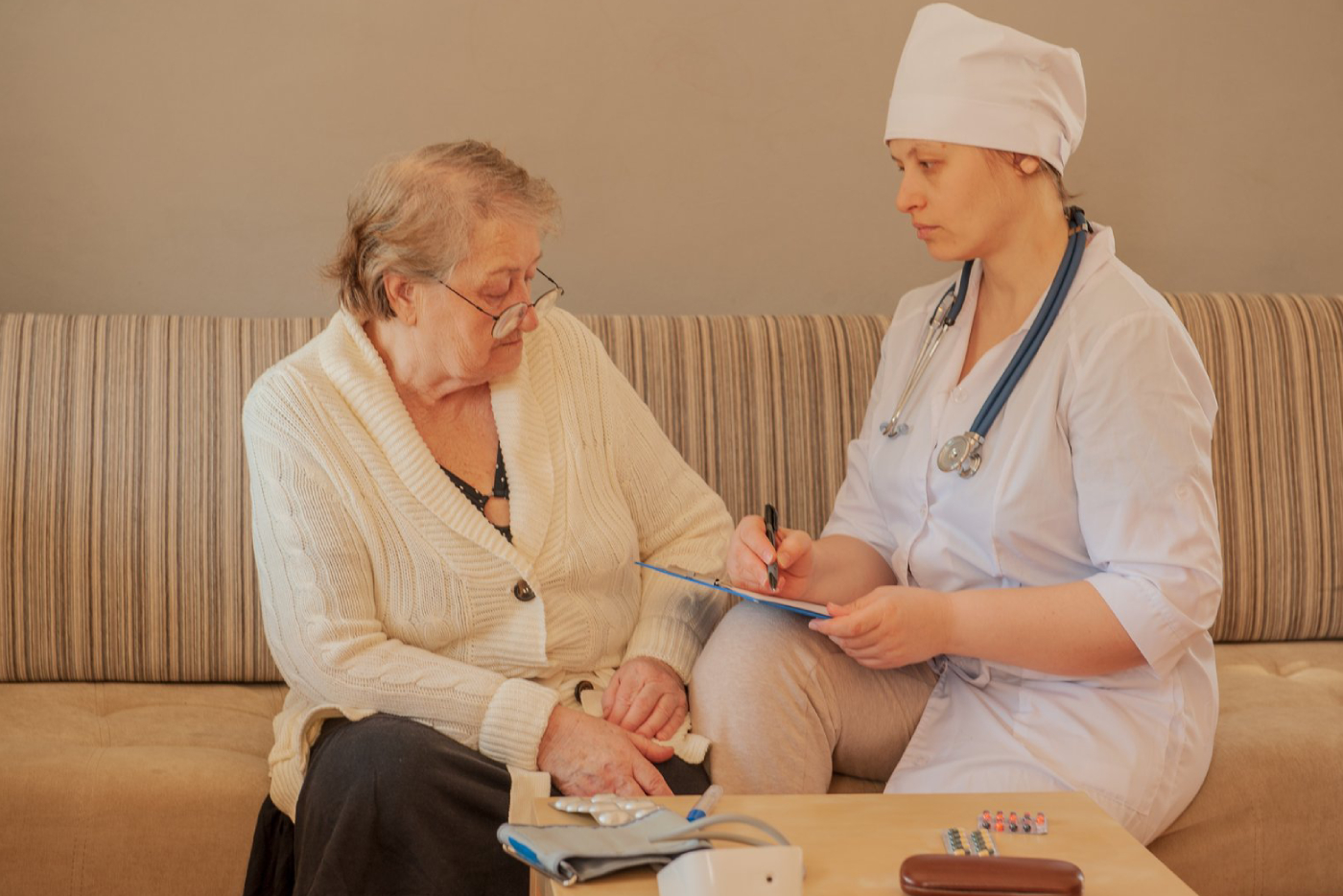







As people age, many families prefer care options that allow seniors to stay in the comfort of their own homes while still receiving professional support. In a major city like Chicago, in-home elderly care services have become a popular choice because they combine medical assistance, personal care, and emotional comfort in a familiar environment.
In-home care is not just about convenience—it is about improving quality of life, independence, and dignity for seniors.
In this blog, we will explore the key benefits of in-home care for seniors and why it is an effective alternative to institutional care.
1. Comfort of Staying at Home
One of the biggest advantages of in-home care is that seniors can stay in their own homes.
This provides:
- Familiar surroundings
- Emotional comfort
- Sense of security
- Reduced stress
Being at home helps seniors feel more relaxed and mentally stable compared to relocating to a facility.
2. Personalized One-on-One Care
In-home care offers highly personalized attention.
Caregivers focus on:
- Individual health needs
- Daily routines
- Personal preferences
- Specific medical conditions
This one-on-one attention improves care quality and ensures no patient is overlooked.
3. Better Independence for Seniors
In-home care helps seniors maintain independence.
They can:
- Manage their own space
- Follow personal routines
- Make daily choices
- Stay in control of their lifestyle
Caregivers assist only where needed, promoting dignity and autonomy.
4. Improved Safety at Home
Many seniors are at risk of falls and accidents at home.
In-home caregivers help by:
- Assisting with movement
- Preventing falls
- Monitoring hazards
- Ensuring safe environments
This reduces the risk of injuries and emergencies.
5. Medication Management Support
Medication errors are common among elderly patients.
In-home care includes:
- Medication reminders
- Proper dosage tracking
- Monitoring side effects
- Ensuring adherence to prescriptions
This improves treatment effectiveness and safety.
6. Chronic Disease Management
Seniors with chronic conditions benefit greatly from in-home care.
Caregivers assist with:
- Blood pressure monitoring
- Diabetes management
- Heart condition support
- Routine health tracking
This ensures consistent disease control without frequent hospital visits.
7. Emotional and Mental Health Support
Loneliness is a major issue among elderly individuals.
In-home care helps by:
- Providing companionship
- Reducing isolation
- Encouraging conversation
- Supporting emotional well-being
This improves mental health and reduces depression.
8. Assistance with Daily Activities
Caregivers help seniors with everyday tasks such as:
- Bathing
- Dressing
- Cooking
- Cleaning
- Mobility support
This ensures seniors can live comfortably even with physical limitations.
9. Flexible Care Plans
In-home care services are highly flexible.
Care can be:
- Full-time
- Part-time
- Hourly
- Live-in
This allows families to choose care based on needs and budget.
10. Reduced Hospital Visits
With proper monitoring and care:
- Health conditions are managed early
- Complications are prevented
- Emergency visits are reduced
This improves overall health outcomes and reduces stress on families.
11. Cost-Effective Care Option
In many cases, in-home care can be more affordable than assisted living.
Families can:
- Pay only for required services
- Avoid facility costs
- Customize care levels
This makes it a flexible financial option.
12. Faster Recovery After Illness or Surgery
In-home care is ideal for recovery periods.
It helps seniors:
- Heal in a comfortable environment
- Follow recovery instructions
- Receive consistent monitoring
Recovery at home often feels easier and less stressful.
13. Family Involvement in Care
In-home care allows families to stay closely involved.
Family members can:
- Monitor care quality
- Participate in routines
- Stay connected emotionally
This strengthens family bonds and trust.
14. Importance in Chicago Healthcare Environment
In a large city like Chicago, in-home care is especially valuable because:
- Seniors may face mobility issues
- Transportation can be difficult
- Hospitals may be crowded
In-home services bring healthcare directly to the patient.
15. Better Quality of Life Overall
In-home care improves overall well-being by combining:
- Comfort
- Independence
- Medical support
- Emotional care
This leads to a happier, healthier, and more dignified life for seniors.
Conclusion
In-home elderly care services provide a powerful alternative to institutional care by offering personalized support, medical assistance, and emotional comfort in a familiar environment. It enhances independence while ensuring safety and proper healthcare.
For families in Chicago, in-home care is a reliable and compassionate solution for supporting aging loved ones.