


Modern healthcare has advanced rapidly, and diagnostic technology now plays a major role in improving senior health outcomes. Many age-related diseases develop silently, and early detection is only possible through accurate and advanced testing methods. In a major city like Chicago, advanced diagnostic tools for elderly care are essential for providing precise, timely, and effective medical treatment.
These tools help doctors understand internal health conditions in detail, detect diseases early, and create personalized care plans for older adults.
In this blog, we will explore advanced diagnostic tools for elderly care and how they improve senior health management.
1. Importance of Advanced Diagnostics in Elderly Care
As people age:
- Body functions become slower
- Diseases may remain hidden
- Symptoms appear late
Advanced diagnostics help:
- Detect diseases early
- Improve accuracy of diagnosis
- Guide better treatment decisions
2. Blood Analysis Technology
Modern blood testing systems are highly advanced.
They can detect:
- Diabetes
- Cholesterol imbalance
- Kidney issues
- Infections
- Vitamin deficiencies
These tests are fast and highly accurate.
3. Imaging Technology (X-ray, MRI, CT Scan)
Imaging tools provide detailed internal views of the body.
X-ray:
- Detects bone fractures
- Identifies chest infections
MRI:
- Shows brain and soft tissues
- Detects neurological conditions
CT Scan:
- Provides detailed internal organ images
- Detects tumors and injuries
4. Ultrasound Technology
Ultrasound is a safe and non-invasive tool.
It helps in:
- Checking organ health
- Monitoring blood flow
- Detecting abdominal issues
It is commonly used in senior care.
5. ECG and Cardiac Monitoring
Heart health is critical in older adults.
Diagnostic tools include:
- ECG (Electrocardiogram)
- Holter monitoring
- Stress tests
These tools detect:
- Irregular heartbeat
- Heart disease risk
- Cardiac stress
6. Bone Density Scans
Bone health decreases with age.
Bone density tests help:
- Detect osteoporosis
- Assess fracture risk
- Monitor bone strength
This is essential for fall prevention.
7. Neurological Diagnostic Tools
Brain and nerve health require special tests.
These include:
- Memory assessment tests
- Brain imaging (MRI/CT)
- Nerve conduction studies
They help detect dementia and other neurological disorders.
8. Urine and Metabolic Testing
Urine analysis helps detect:
- Kidney disease
- Infections
- Diabetes complications
Metabolic tests check body energy processes.
9. Genetic and Advanced Screening Tests
Some advanced tests help identify:
- Disease risk factors
- Genetic conditions
- Long-term health risks
These tests support preventive care.
10. Continuous Monitoring Devices
Modern healthcare uses wearable technology:
- Heart rate monitors
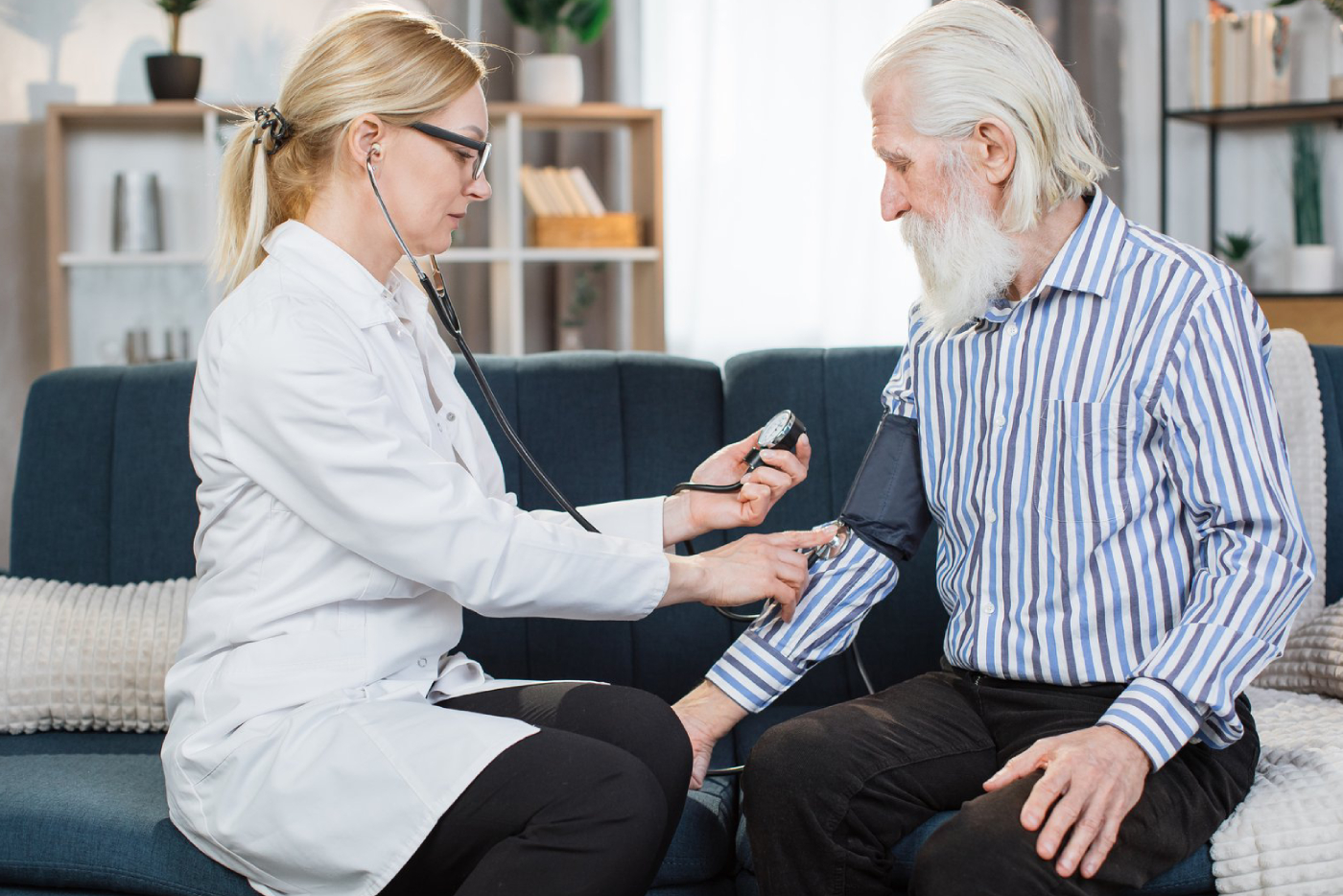
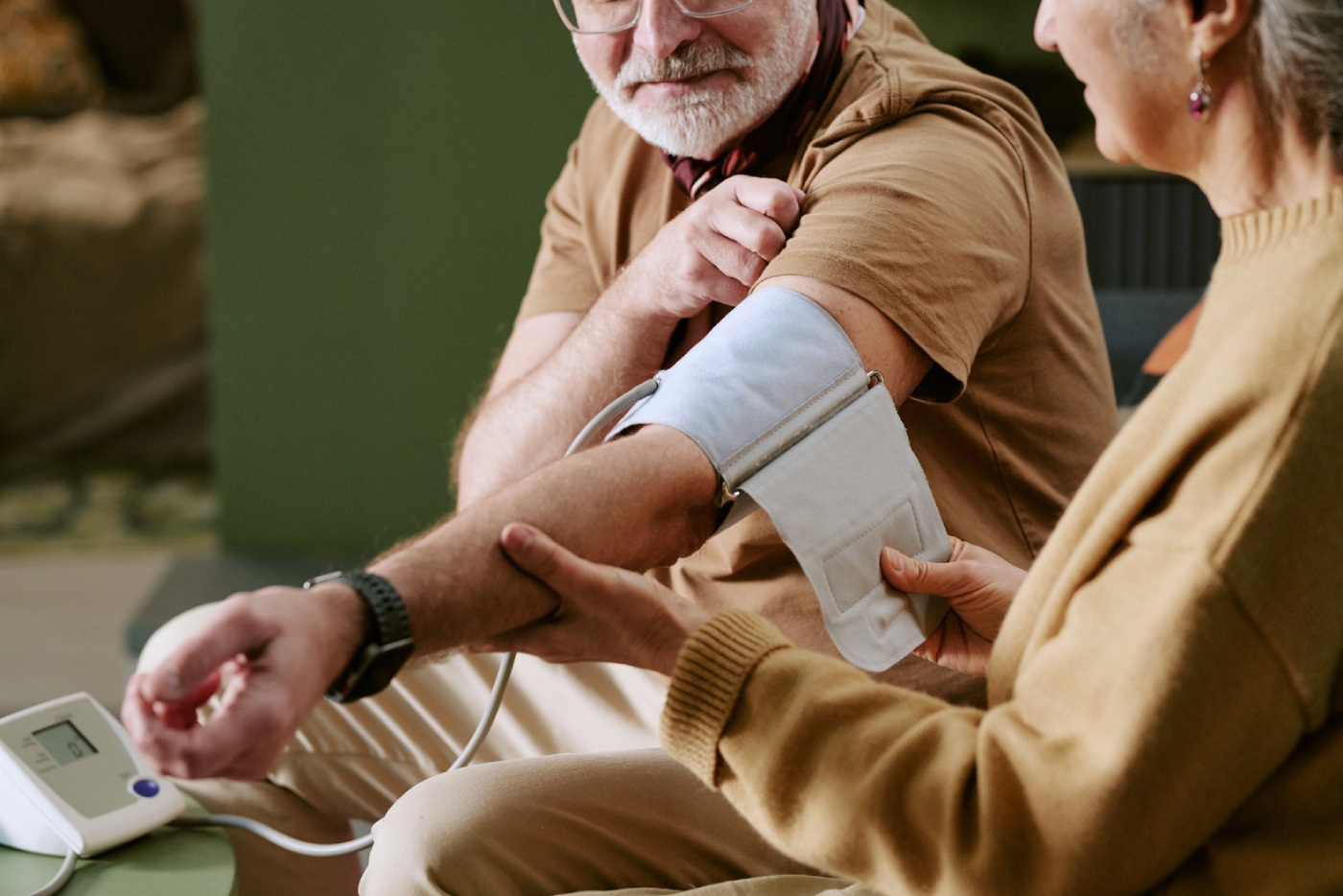
- Blood pressure devices
- Glucose monitors
These help track health in real time.
11. Benefits of Advanced Diagnostic Tools
Advanced diagnostics provide:
- Higher accuracy
- Early disease detection
- Faster results
- Better treatment planning
This improves overall healthcare quality.
12. Role in Chronic Disease Management
These tools are essential for managing:
- Diabetes
- Heart disease
- Kidney disease
- Arthritis
They help monitor disease progression effectively.
13. Preventive Healthcare Support
Advanced diagnostics help:
- Identify risk factors early
- Prevent disease development
- Reduce emergency hospital visits
Prevention is more effective than treatment.
14. Importance in Chicago Healthcare System
In a city like Chicago, advanced diagnostic tools are important because:
- Healthcare facilities are highly developed
- Seniors require continuous monitoring
- Early detection improves survival rates
This strengthens overall public health.
15. Role of Family in Diagnostic Care
Family members support seniors by:
- Scheduling tests regularly
- Monitoring results
- Ensuring follow-ups
- Encouraging preventive care
Family involvement improves health outcomes.
Conclusion
Advanced diagnostic tools are transforming elderly care by making diagnosis faster, more accurate, and more effective. These technologies help detect diseases early, manage chronic conditions, and improve overall senior health.
For families in Chicago, using advanced diagnostics ensures safer, healthier, and more independent aging.