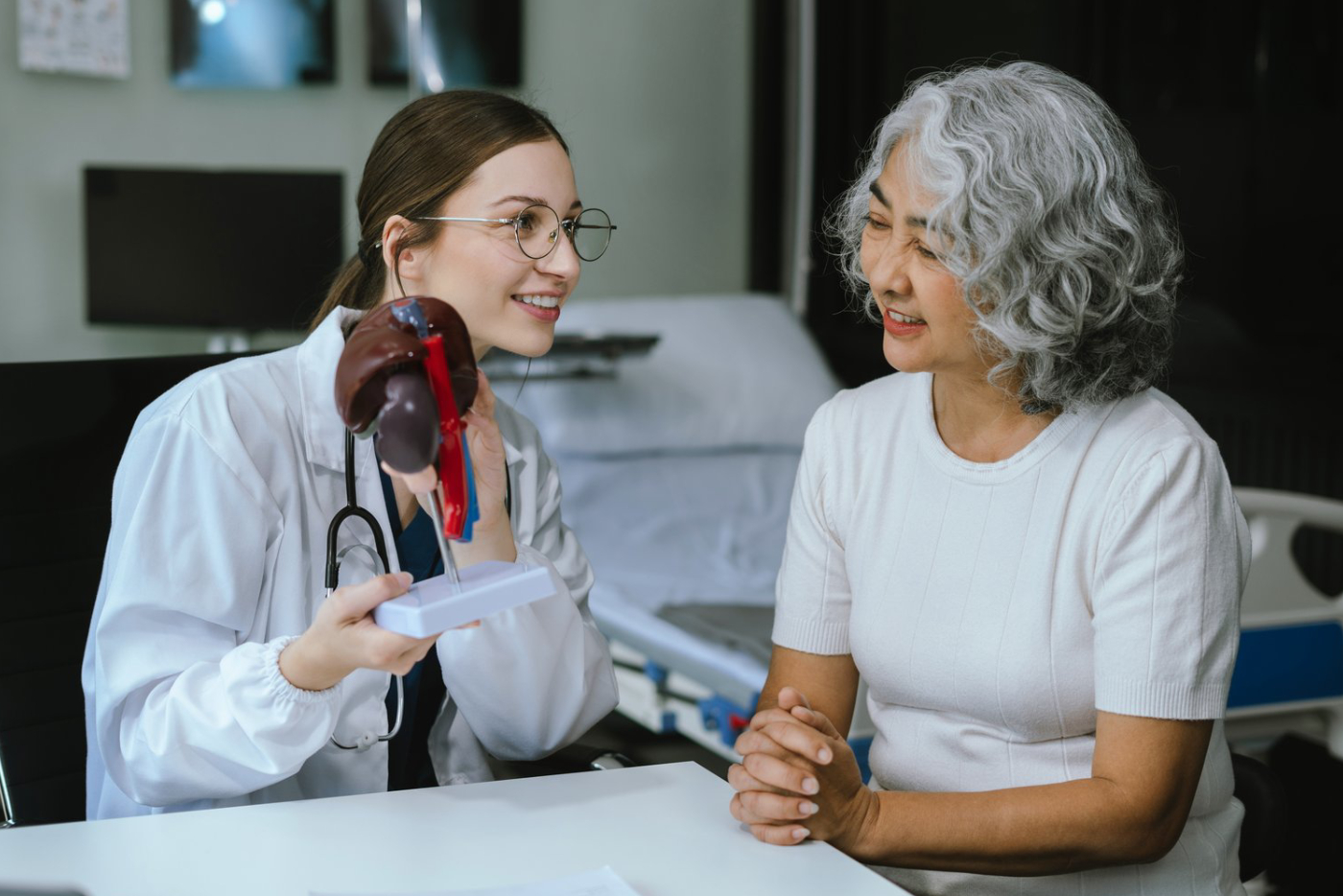

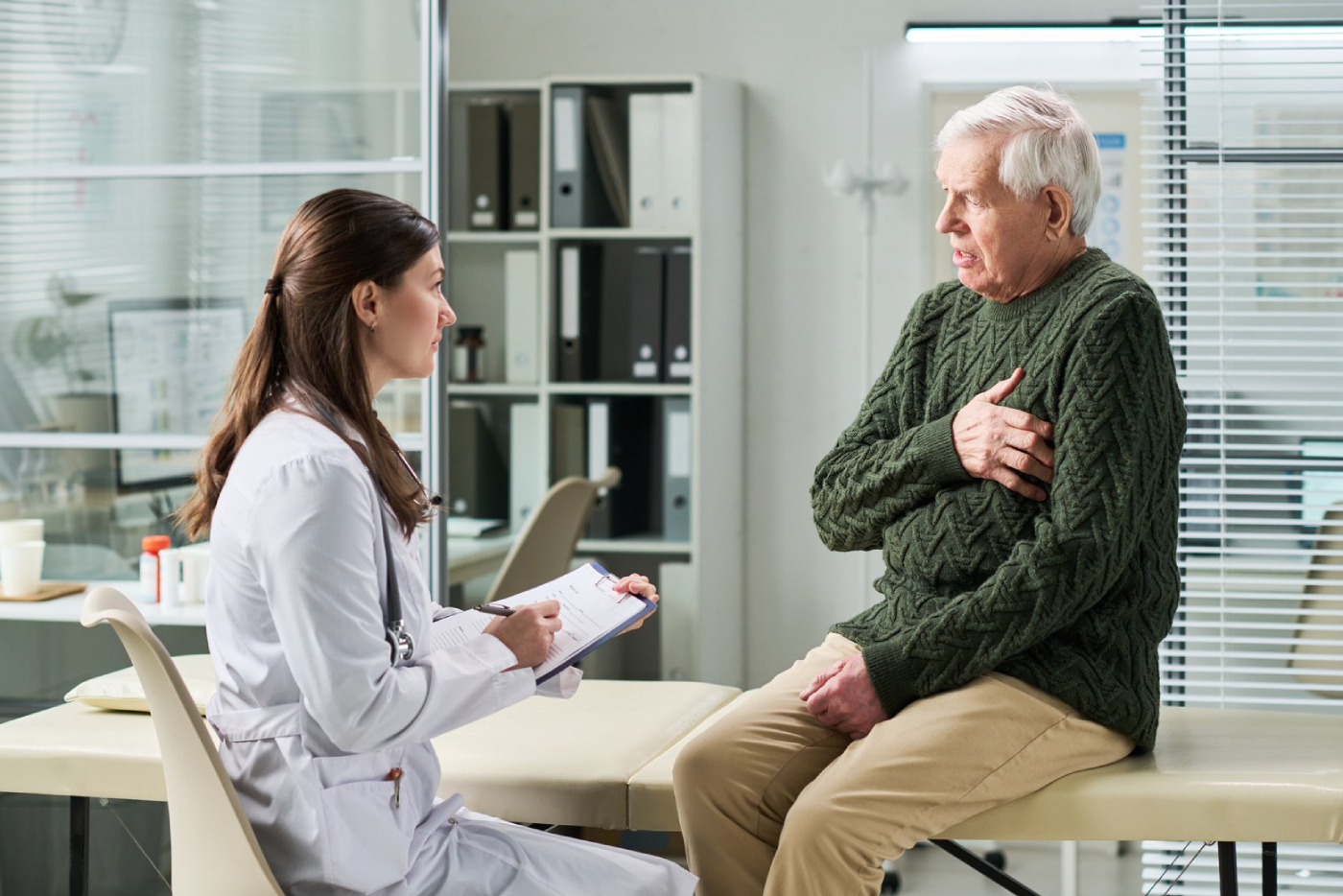


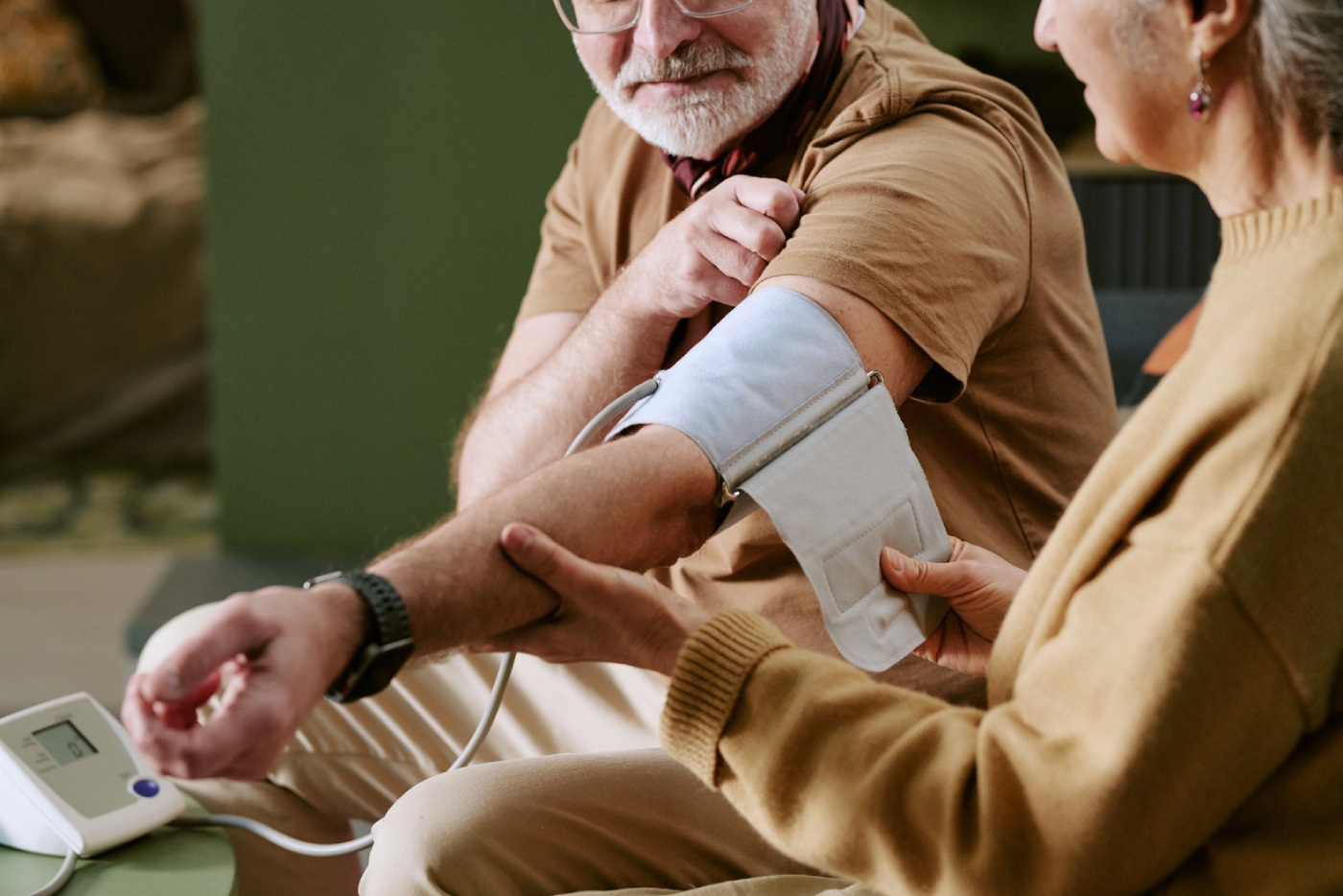

Accurate diagnosis is the foundation of effective medical care, especially for older adults. Many age-related diseases develop slowly and show mild or unclear symptoms in the beginning. In a major city like Chicago, diagnostic services for seniors play a critical role in improving treatment quality, reducing complications, and enhancing long-term health outcomes.
Modern diagnostic tools help doctors understand what is happening inside the body with precision. This allows for better decision-making and more personalized treatment plans for elderly patients.
In this blog, we will explore how diagnostic services improve senior treatment and why they are essential for geriatric care.
1. Accurate Diagnosis Leads to Better Treatment
The first step in any treatment is understanding the problem correctly.
Diagnostic services help:
- Identify the exact disease
- Determine severity
- Detect underlying conditions
Without proper diagnosis, treatment may not be effective.
2. Early Detection Improves Treatment Success
Early diagnosis is especially important for seniors because:
- Diseases progress faster with age
- Symptoms may appear late
- Complications develop quickly
Early detection allows doctors to:
- Start treatment early
- Prevent disease progression
- Improve recovery chances
3. Personalized Treatment Plans
Every senior has different health needs.
Diagnostic reports help doctors:
- Customize medication
- Adjust dosages
- Recommend suitable therapies
Personalized treatment reduces risks and improves outcomes.
4. Monitoring Chronic Diseases Effectively
Many seniors live with chronic conditions such as:
- Diabetes
- Heart disease
- Kidney disease
- Arthritis
Diagnostic services help track:
- Disease progression
- Treatment effectiveness
- Side effects of medication
This ensures long-term control of illness.
5. Preventing Complications
Regular diagnostics help detect warning signs early, such as:
- Rising blood sugar
- High cholesterol
- Kidney function decline
This prevents serious complications like:
- Heart attack
- Stroke
- Kidney failure
6. Better Medication Management
Diagnostic results help doctors:
- Choose correct medicines
- Avoid harmful drug interactions
- Adjust dosages safely
This is especially important for seniors taking multiple medications.
7. Improved Heart Health Management
Diagnostic tools such as ECG and lipid profiles help:
- Detect heart disease early
- Monitor heart function
- Prevent cardiac emergencies
This leads to safer cardiac care.
8. Better Diabetes Control
For diabetic seniors, diagnostics are essential.
They help:
- Monitor blood sugar levels
- Adjust insulin or medication
- Prevent complications like neuropathy
This improves quality of life.
9. Kidney and Liver Disease Management
Diagnostic tests help detect early organ damage.
They allow doctors to:
- Adjust medications
- Prevent further damage
- Improve organ function
Early treatment can slow disease progression.
10. Supporting Mental and Neurological Health
Diagnostics also help in:
- Detecting memory loss
- Identifying neurological disorders
- Monitoring brain function
This supports early intervention in conditions like dementia.
11. Reducing Emergency Hospital Visits
With regular diagnostics:
- Health issues are caught early
- Emergency cases are reduced
- Hospital admissions decrease
This improves overall safety for seniors.
12. Improving Recovery Outcomes
When treatment is based on accurate diagnosis:
- Recovery is faster
- Treatment is more effective
- Complications are minimized
This leads to better long-term health.
13. Role of Preventive Care
Diagnostic services are a key part of preventive healthcare.
They help:
- Identify risk factors early
- Prevent disease development
- Maintain stable health conditions
Prevention always works better than emergency treatment.
14. Importance of Diagnostic Services in Chicago
In a city like Chicago, diagnostic services are especially important because:
- Seniors have access to advanced healthcare facilities
- Chronic diseases are common in aging population
- Preventive care reduces hospital burden
This improves community health outcomes significantly.
15. Role of Family in Treatment Support
Family members help by:
- Ensuring regular testing
- Following medical advice
- Tracking reports
- Supporting treatment routines
Family involvement improves treatment success.
Conclusion
Diagnostic services play a crucial role in improving senior treatment. They ensure accurate diagnosis, early detection, personalized care, and better management of chronic diseases.
For families in Chicago, regular diagnostic care leads to safer treatment, faster recovery, and improved quality of life for older adults.