






As seniors age, their healthcare needs become more frequent and complex. Many families in Chicago choose assisted living facilities because they offer a combination of housing, personal care, and essential healthcare services in one place.
Unlike independent living, assisted living facilities provide structured medical support that helps seniors manage their health conditions while maintaining independence.
In this blog, we will explore the various healthcare services available in assisted living and how they contribute to better health and quality of life.
1. Primary Healthcare Monitoring
One of the most important services in assisted living is regular health monitoring.
This includes:
- Blood pressure checks
- Blood sugar monitoring
- Heart rate tracking
- Weight management
Routine monitoring helps detect health changes early and allows timely intervention.
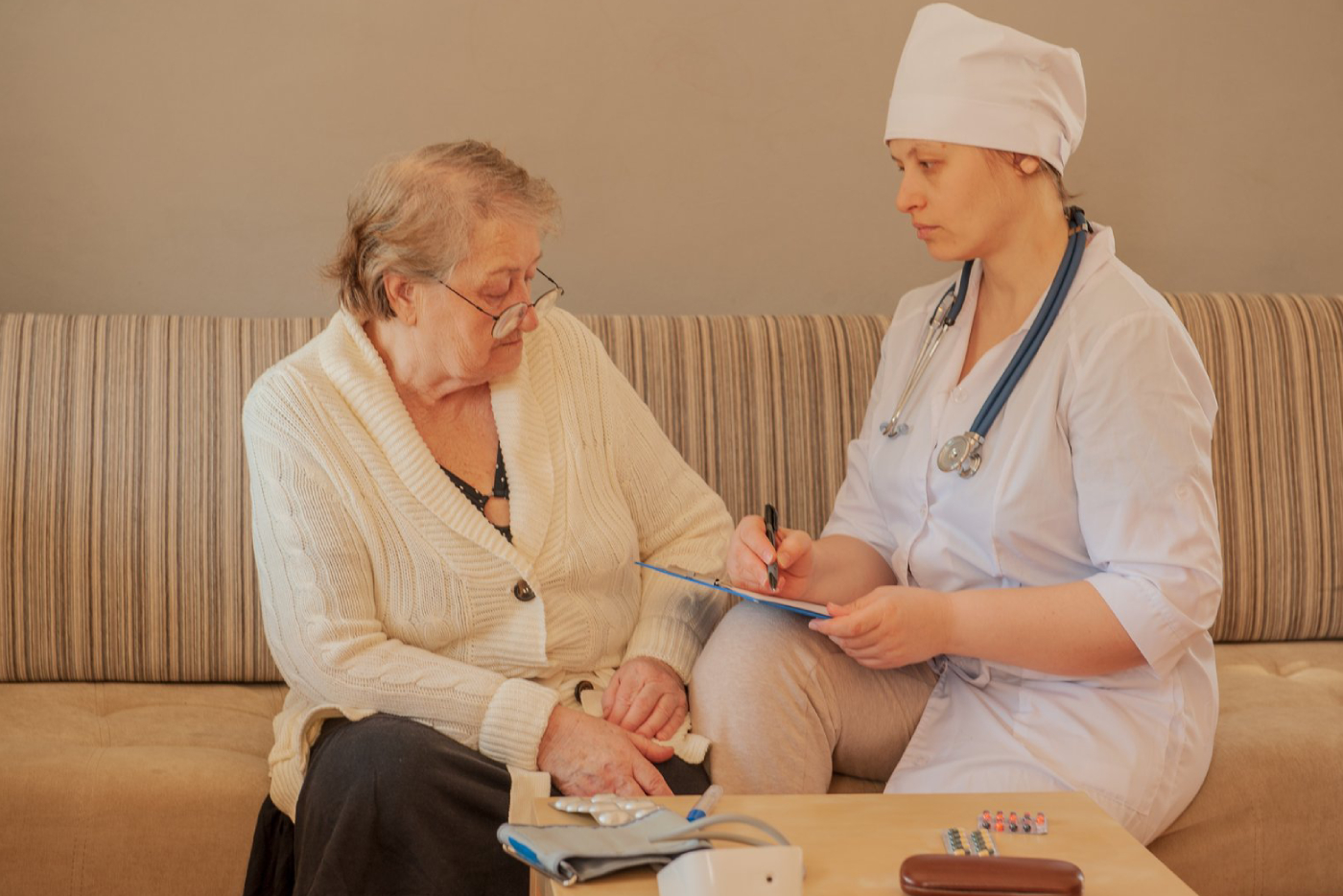
2. On-Site Nursing Care
Most assisted living facilities provide access to trained nursing staff.
Nursing services include:
- Medication administration
- Wound care
- Post-surgical care
- Chronic disease monitoring
Having nurses on-site ensures residents receive immediate attention when needed.
3. Medication Management Services
Medication errors are common among seniors living independently.
Assisted living facilities help by:
- Organizing medication schedules
- Ensuring timely doses
- Monitoring side effects
- Preventing drug interactions
This improves treatment effectiveness and safety.
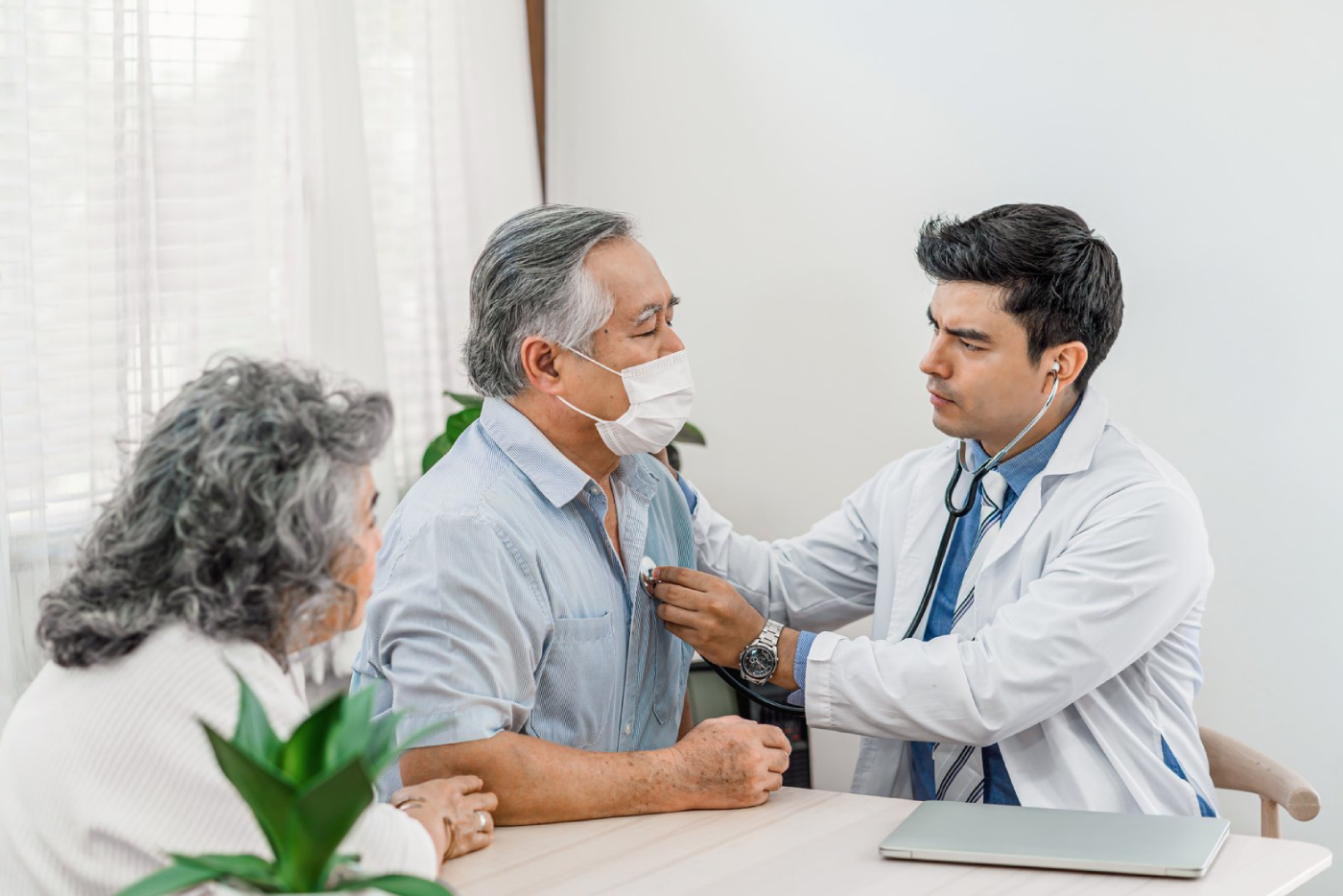
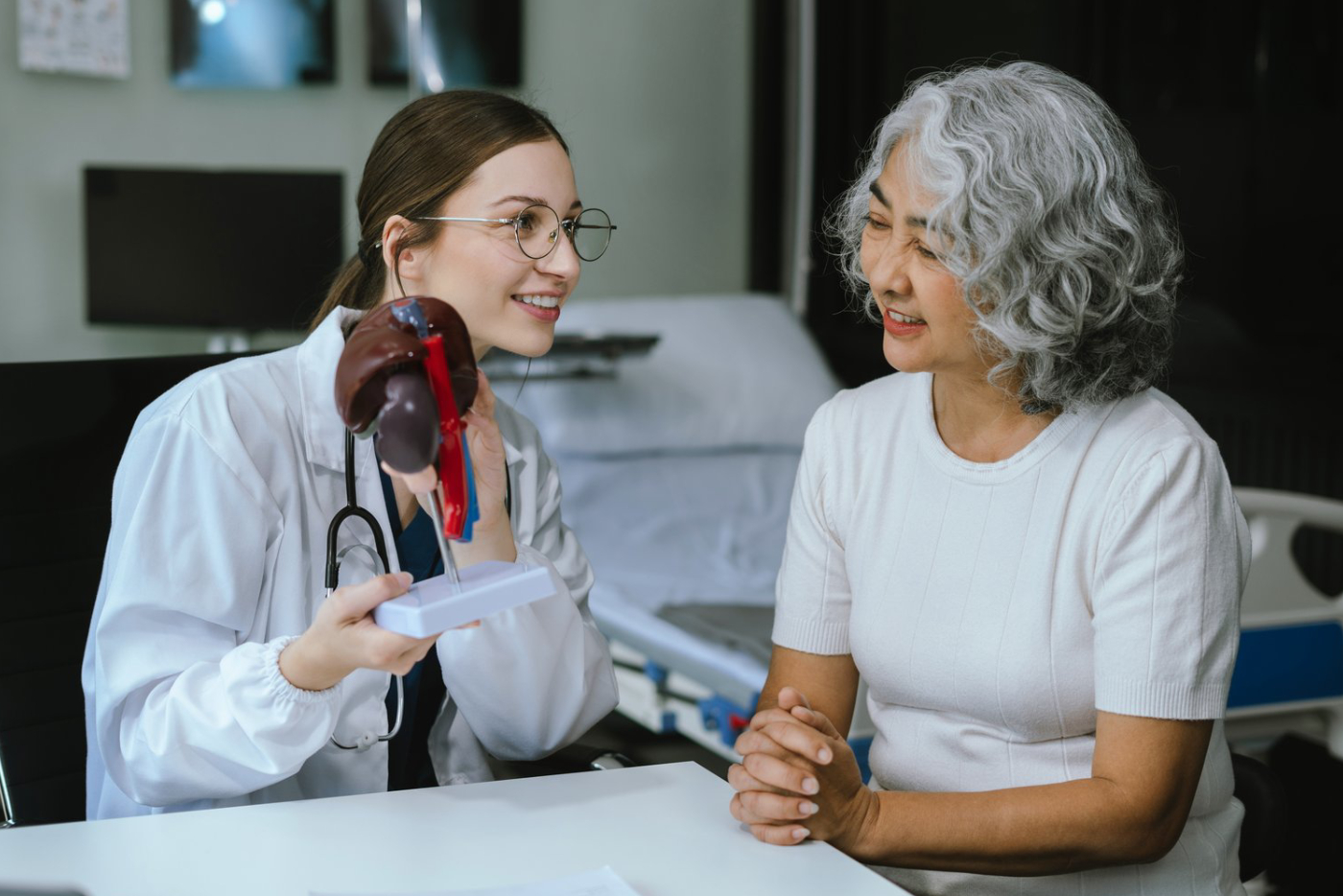
4. Access to Physicians and Specialists
Residents often have access to visiting doctors or telehealth consultations.
Services include:
- Routine checkups
- Specialist consultations
- Follow-up care
- Health assessments
In a large healthcare environment like Chicago, easy access to doctors improves continuity of care.
5. Chronic Disease Management
Many seniors in assisted living have chronic conditions such as:
- Diabetes
- Hypertension
- Heart disease
- Arthritis
Facilities provide structured care plans that include:
- Regular monitoring
- Medication adjustments
- Lifestyle guidance
This helps keep conditions under control.
6. Emergency Medical Support
Emergency preparedness is a key feature of assisted living.
Facilities offer:
- 24/7 staff availability
- Emergency call systems
- Immediate response to medical incidents
- Coordination with hospitals
Quick response can prevent serious complications.
7. Rehabilitation and Therapy Services
Assisted living facilities often provide rehabilitation services, including:
- Physical therapy
- Occupational therapy
- Speech therapy
These services help seniors:
- Recover from injuries
- Improve mobility
- Maintain independence
8. Mental Health and Cognitive Care
Healthcare services also include mental and cognitive support.
Facilities provide:
- Memory care programs
- Dementia support
- Counseling services
- Cognitive stimulation activities
This helps maintain mental well-being and manage cognitive decline.
9. Preventive Healthcare Services
Preventive care is essential for reducing long-term health risks.
Services include:
- Routine screenings
- Vaccinations
- Wellness exams
- Health education
Preventive care helps avoid serious illnesses.
10. Nutritional and Dietary Support
Proper nutrition is critical for senior health.
Facilities provide:
- Balanced meal plans
- Special diets (diabetes, heart health, etc.)
- Nutritional monitoring
This supports overall health and disease management.
11. Mobility and Fall Prevention Support
Falls are a major risk for seniors.
Facilities offer:
- Mobility assistance
- Balance training
- Fall risk assessments
- Safe living environments
This reduces injury risks and improves independence.
12. Post-Hospitalization Care
After hospital discharge, seniors often need additional support.
Assisted living facilities provide:
- Recovery monitoring
- Medication adjustments
- Follow-up care coordination
This helps prevent readmission and speeds recovery.
13. Coordination with External Healthcare Providers
Facilities often coordinate care with:
- Hospitals
- Specialists
- Diagnostic centers
They assist with:
- Appointment scheduling
- Transportation
- Medical record sharing
This ensures seamless healthcare management.
14. Personalized Healthcare Plans
Each resident receives a customized healthcare plan based on their needs.
Plans include:
- Medical conditions
- Medication schedules
- Therapy requirements
- Lifestyle recommendations
Personalized care ensures better outcomes and comfort.
15. Importance in Chicago Healthcare Environment
In a large city like Chicago, assisted living healthcare services are essential because:
- Seniors may have limited mobility
- Healthcare systems are busy
- Chronic diseases are common
Assisted living facilities provide a centralized and efficient healthcare solution.
Conclusion
Healthcare services in assisted living facilities provide comprehensive support that includes medical care, monitoring, therapy, and preventive services. These services ensure seniors receive the attention they need while maintaining independence and quality of life.
For families in Chicago, assisted living offers a reliable and structured approach to managing senior health effectively.