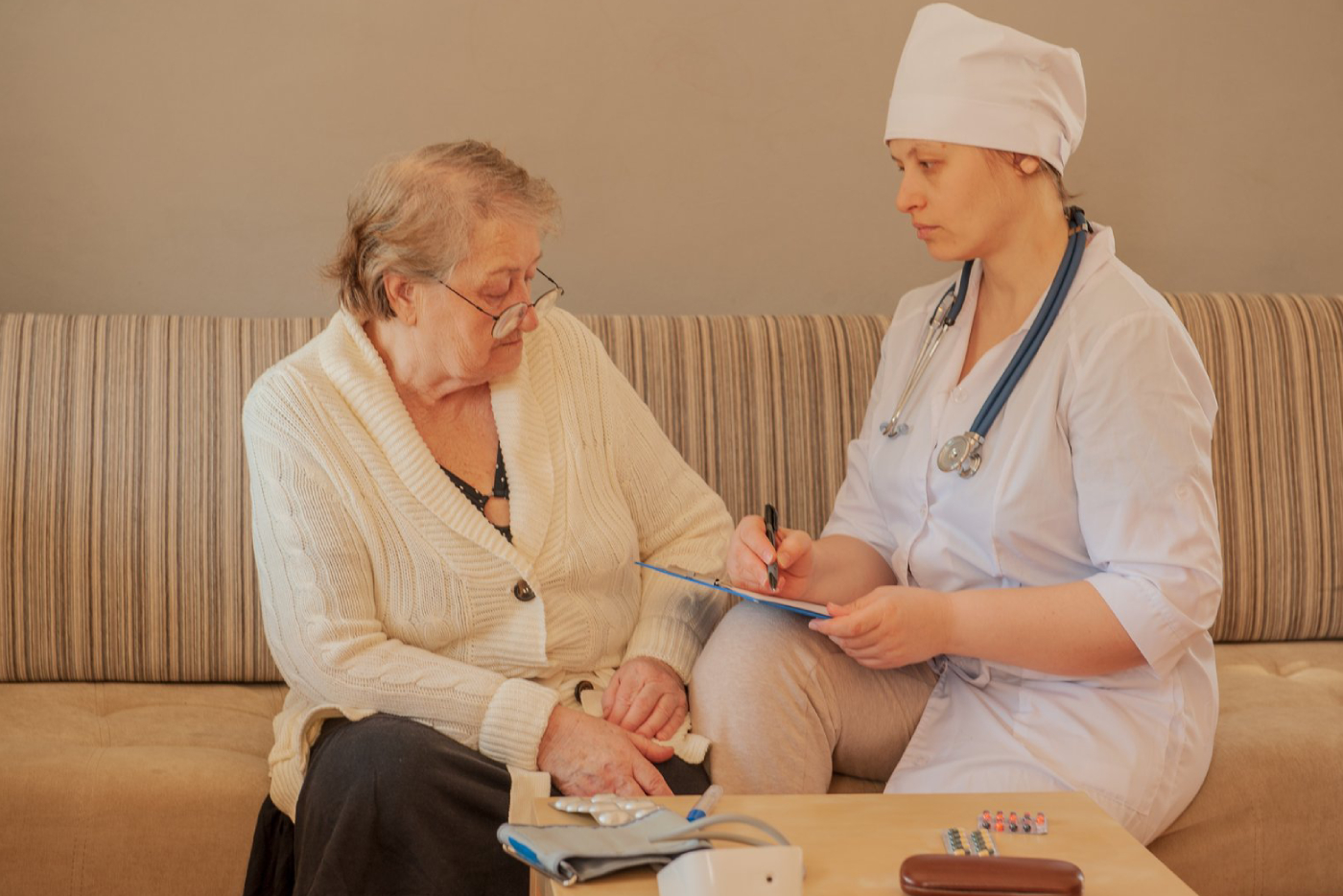



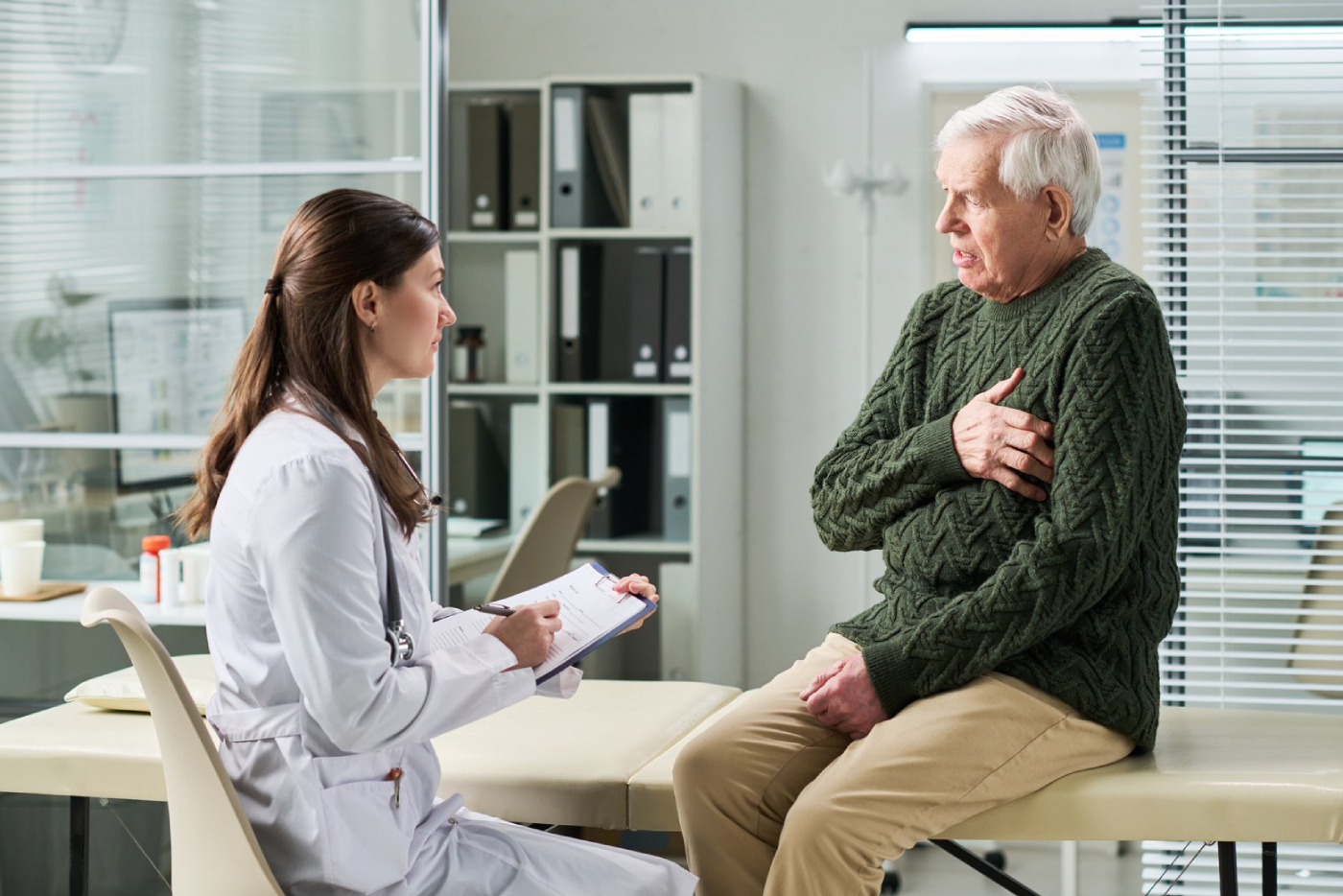




As people age, regular medical checkups become an essential part of maintaining good health. In a busy urban environment like Chicago, seniors often rely on routine wellness visits to monitor chronic conditions, detect early diseases, and ensure overall well-being.
However, many seniors and families are unsure about what actually happens during a senior wellness visit.
In this blog, we will explain step-by-step what to expect during a senior wellness visit and how it benefits long-term health.
1. Initial Health Discussion (Medical History Review)
The visit usually begins with a detailed conversation between the doctor and patient.
Doctors ask about:
- Current health conditions
- Past medical history
- Ongoing medications
- Lifestyle habits
- Family medical history
This helps the doctor understand the patient’s overall health background.
2. Vital Signs Check
One of the first clinical steps is checking vital signs.
This includes:
- Blood pressure
- Heart rate
- Temperature
- Oxygen levels
These measurements give a quick overview of the patient’s current physical condition.
3. Physical Examination
A complete physical exam is usually performed.
Doctors may check:
- Heart and lung function
- Abdominal health
- Joint and muscle condition
- Skin health
This helps detect visible signs of illness or discomfort.
4. Blood Tests and Laboratory Work
Most senior wellness visits include blood tests.
Common tests include:
- Complete Blood Count (CBC)
- Blood sugar levels
- Cholesterol profile
- Kidney and liver function tests
These tests help detect hidden conditions that may not show symptoms.
5. Diabetes and Blood Sugar Monitoring
Since diabetes is common among seniors, doctors carefully evaluate:
- Fasting blood sugar
- HbA1c levels
This helps determine long-term blood sugar control and adjust treatment if needed.
6. Heart Health Evaluation
Heart health is a major focus during wellness visits.
Doctors may perform:
- ECG (electrocardiogram)
- Blood pressure evaluation
- Cholesterol screening
These tests help assess cardiovascular risk.
7. Medication Review
Doctors carefully review all medications a senior is taking.
They check:
- Dosage accuracy
- Possible drug interactions
- Side effects
- Need for adjustments
This ensures safe and effective treatment.
8. Cognitive and Memory Assessment
Mental health is also evaluated during the visit.
Doctors may check:
- Memory recall
- Attention and focus
- Decision-making ability
- Early signs of dementia
Early detection of cognitive issues helps in better management.
9. Mobility and Fall Risk Assessment
Seniors are often evaluated for movement and balance issues.
Doctors assess:
- Walking ability
- Balance and coordination
- Muscle strength
- Risk of falls
This helps prevent injuries and improves safety.
10. Vaccination Review
Doctors check if vaccinations are up to date.
Common vaccines include:
- Flu vaccine
- Pneumonia vaccine
- Shingles vaccine
- COVID boosters
Vaccinations are essential for preventing infections.
11. Lifestyle Discussion
A senior wellness visit also includes discussion about lifestyle habits.
Doctors may ask about:
- Diet and nutrition
- Physical activity
- Sleep patterns
- Stress levels
They may suggest improvements for better health.
12. Diagnostic Recommendations
Based on the assessment, doctors may recommend additional tests such as:
- X-rays
- Ultrasound
- Advanced heart tests
- Bone density scans
These help confirm or rule out medical conditions.
13. Personalized Care Plan
At the end of the visit, the doctor creates a personalized care plan.
This may include:
- Medication adjustments
- Diet recommendations
- Exercise plans
- Follow-up schedules
The plan is tailored to the senior’s specific health needs.
14. Importance of Regular Follow-Ups
One visit is not enough for long-term health.
Doctors usually recommend:
- Annual checkups for healthy seniors
- Quarterly visits for chronic conditions
- More frequent visits for high-risk patients
Regular follow-ups ensure continuous monitoring.
15. Importance in Chicago Healthcare System
In a large city like Chicago, wellness visits are especially important because:
- Healthcare demand is high
- Seniors may delay care
- Chronic diseases are common
Regular visits ensure proactive and preventive healthcare.
Conclusion
A senior wellness visit is a comprehensive health checkup that includes physical exams, lab tests, cognitive assessments, and personalized care planning. It plays a vital role in early detection, disease management, and long-term well-being.
For seniors in Chicago, understanding what to expect in these visits helps reduce anxiety and encourages regular healthcare participation.