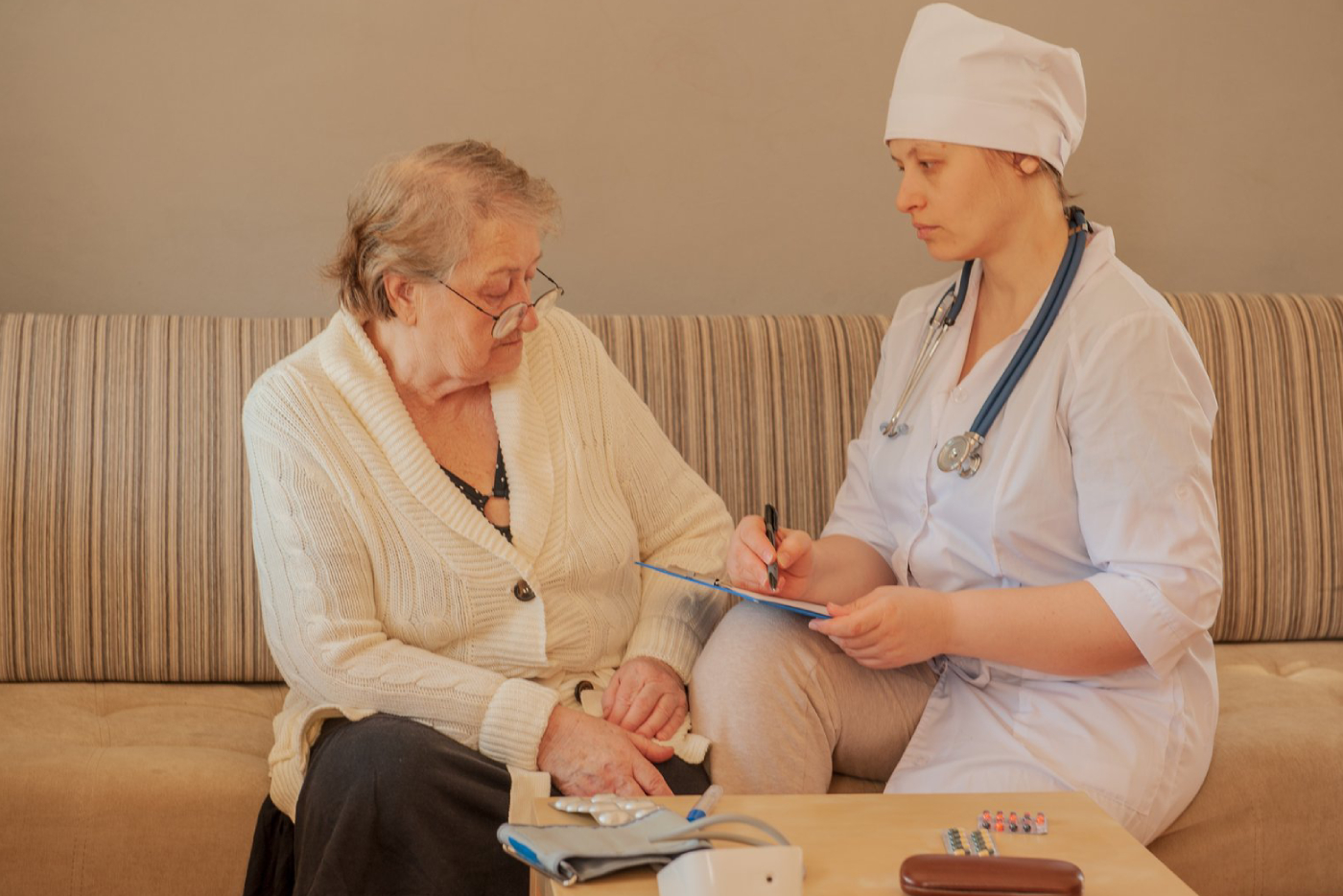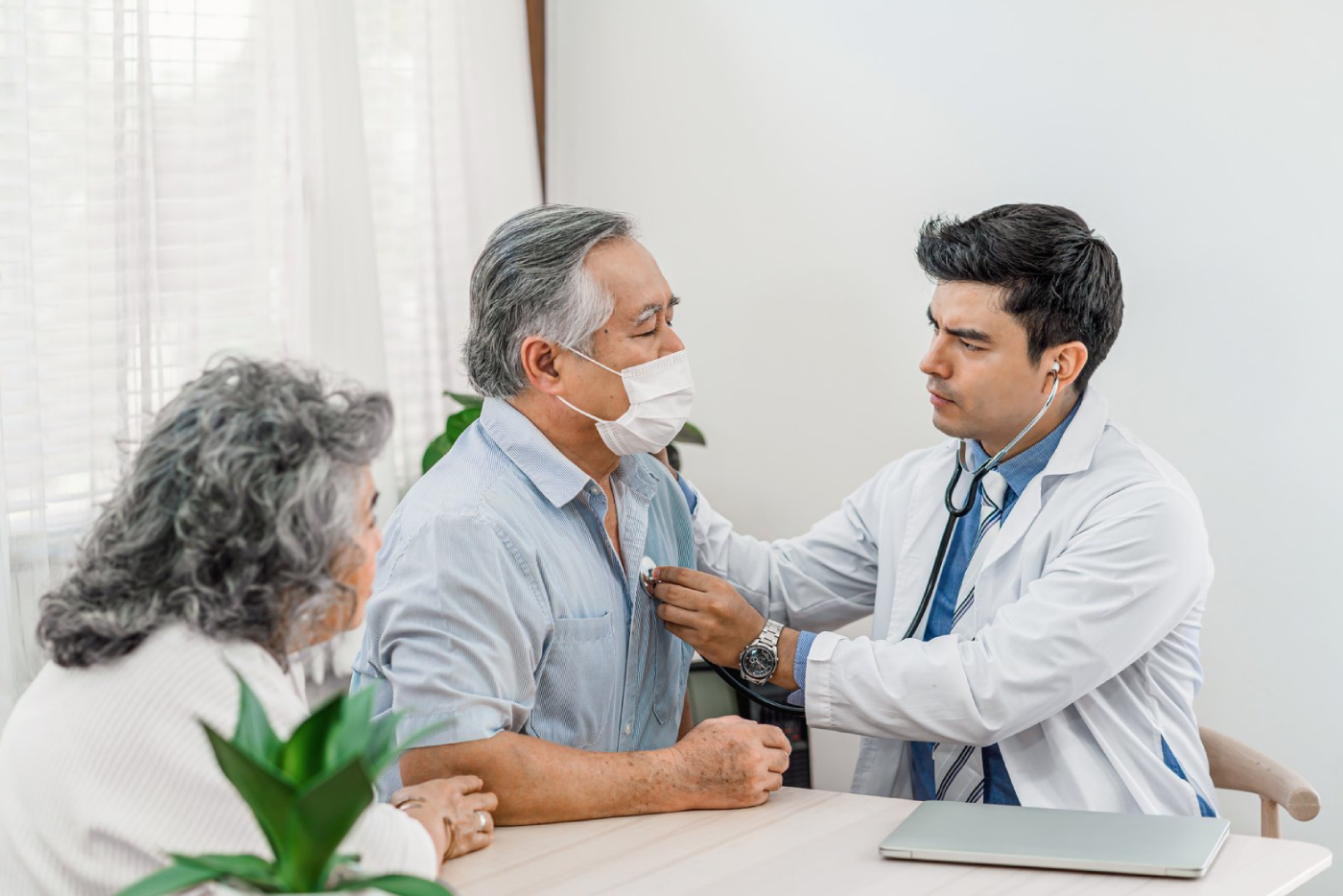

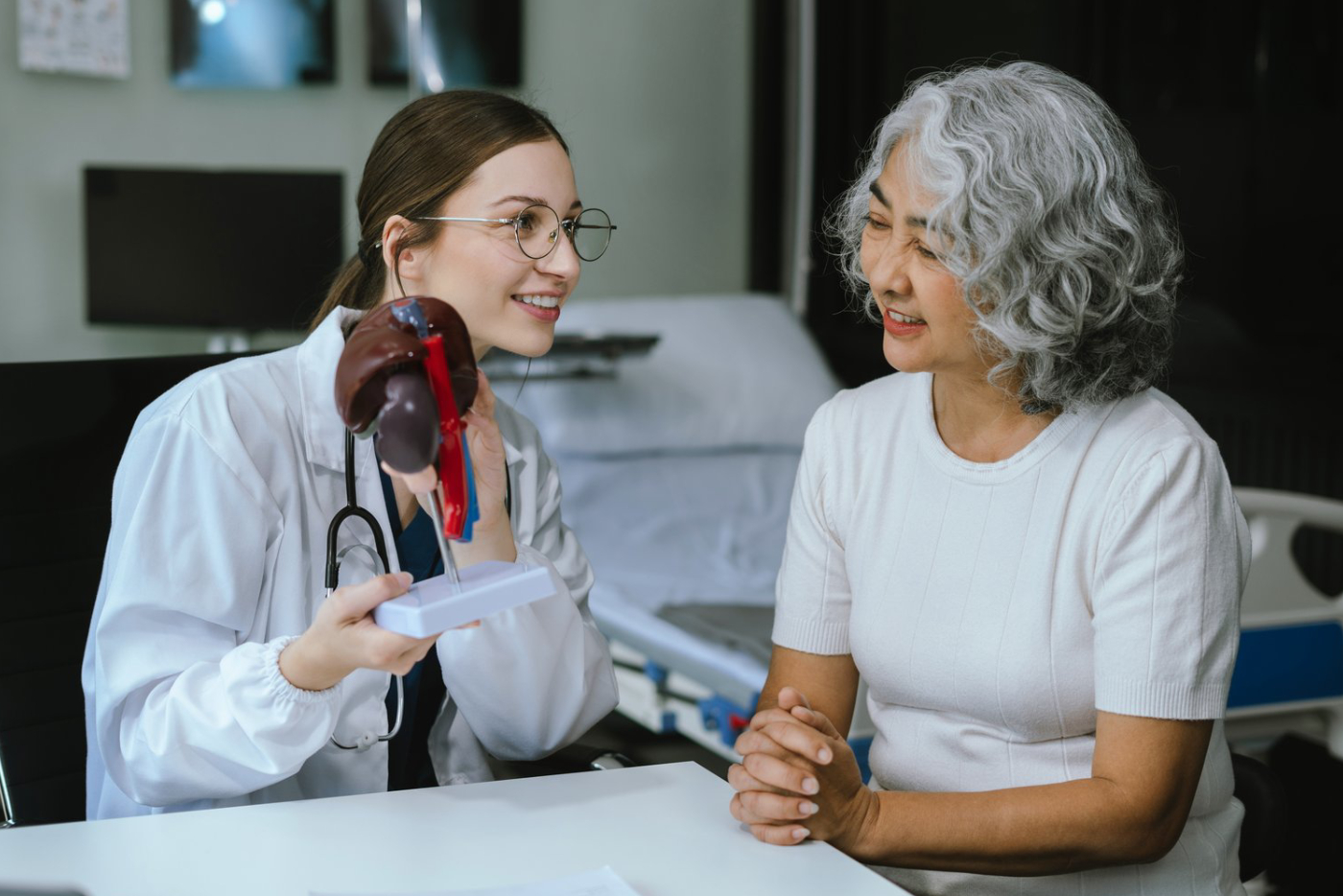

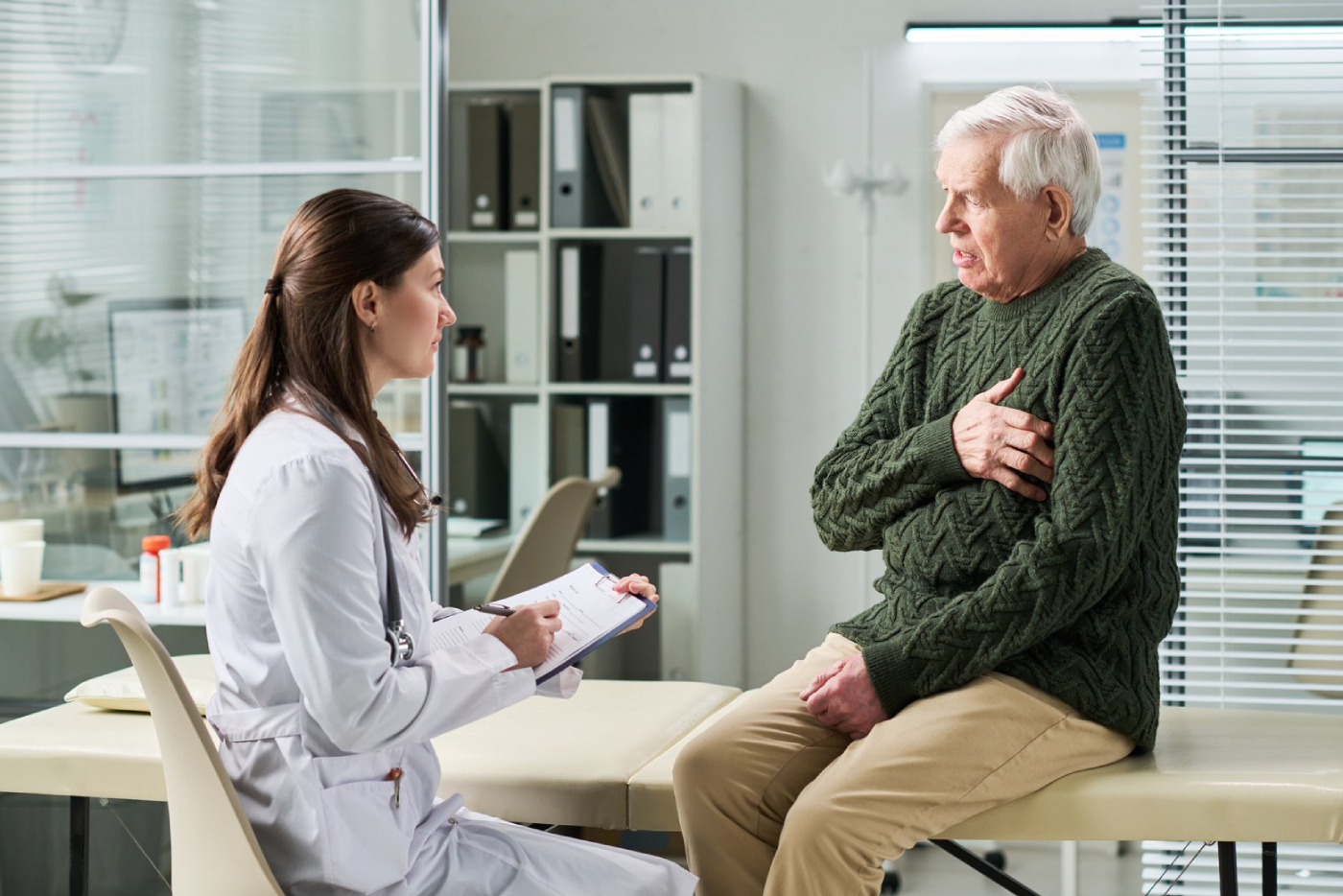




Regular medical visits are one of the most effective ways to maintain good health in older adults. As people age, their risk of developing chronic diseases and hidden health conditions increases significantly. In a major city like Chicago, regular primary care visits for seniors play a crucial role in preventing illness, managing ongoing conditions, and improving quality of life.
Primary care is not only about treating illness—it is about continuous monitoring, early detection, and long-term health planning. For seniors, consistent visits to a primary care doctor can make the difference between stable health and serious medical complications.
In this blog, we will explore why regular primary care visits are important for seniors and how they improve overall well-being.
1. Early Detection of Health Problems
One of the biggest benefits of regular visits is early diagnosis.
Doctors can detect:
- High blood pressure
- Diabetes
- Heart disease
- Kidney problems
Early detection leads to faster and more effective treatment.
2. Continuous Monitoring of Chronic Diseases
Many seniors live with long-term conditions such as:
- Diabetes
- Hypertension
- Arthritis
- Heart disease
Regular visits help doctors:
- Track progress
- Adjust medications
- Prevent complications
3. Medication Review and Safety
Seniors often take multiple medications.
Primary care visits help:
- Avoid drug interactions
- Adjust dosages safely
- Prevent side effects
This ensures safe medication use.
4. Preventive Health Care Services
Regular visits include preventive care such as:
- Vaccinations
- Health screenings
- Blood tests
Prevention reduces the risk of serious illness.
5. Better Management of Multiple Conditions
Older adults often have more than one health issue.
Primary care doctors help:
- Coordinate treatments
- Balance medications
- Manage overlapping conditions
This improves overall care quality.
6. Monitoring Physical Changes Over Time
Regular checkups help track:
- Weight changes
- Blood pressure trends
- Energy levels
- Mobility issues
This helps detect early signs of disease.
7. Mental Health Support
Primary care doctors also monitor mental health.
They help with:
- Depression
- Anxiety
- Memory issues
Mental health is an important part of senior wellness.
8. Improved Communication with Specialists
Primary care doctors coordinate with specialists by:
- Referring patients when needed
- Sharing test results
- Ensuring consistent treatment
This improves healthcare coordination.
9. Lifestyle Guidance for Seniors
Doctors provide advice on:
- Diet and nutrition
- Exercise routines
- Sleep habits
- Hydration
Healthy lifestyle choices improve long-term health.
10. Prevention of Emergency Situations
Regular monitoring helps prevent emergencies like:
- Heart attacks
- Stroke
- Severe infections
Early intervention reduces hospital visits.
11. Importance of Trust and Continuity of Care
Seeing the same doctor regularly helps:
- Build trust
- Improve communication
- Track long-term health history
This leads to better medical decisions.
12. Importance in Chicago Healthcare System
In a city like Chicago, regular primary care visits are especially important because:
- Seniors have higher chronic disease rates
- Weather changes affect health
- Preventive care reduces hospital burden
This improves community health outcomes.
13. Role of Family in Regular Visits
Family members support seniors by:
- Scheduling appointments
- Accompanying them to visits
- Helping follow treatment plans
- Monitoring medications
Family involvement improves consistency.
14. Improved Quality of Life
Regular primary care visits help seniors:
- Stay healthier longer
- Maintain independence
- Reduce pain and discomfort
- Live more active lives
Conclusion
Regular primary care visits are essential for maintaining senior health. They support early diagnosis, chronic disease management, preventive care, and overall well-being.
For families in Chicago, consistent primary care ensures safer aging, better health outcomes, and improved quality of life for older adults.