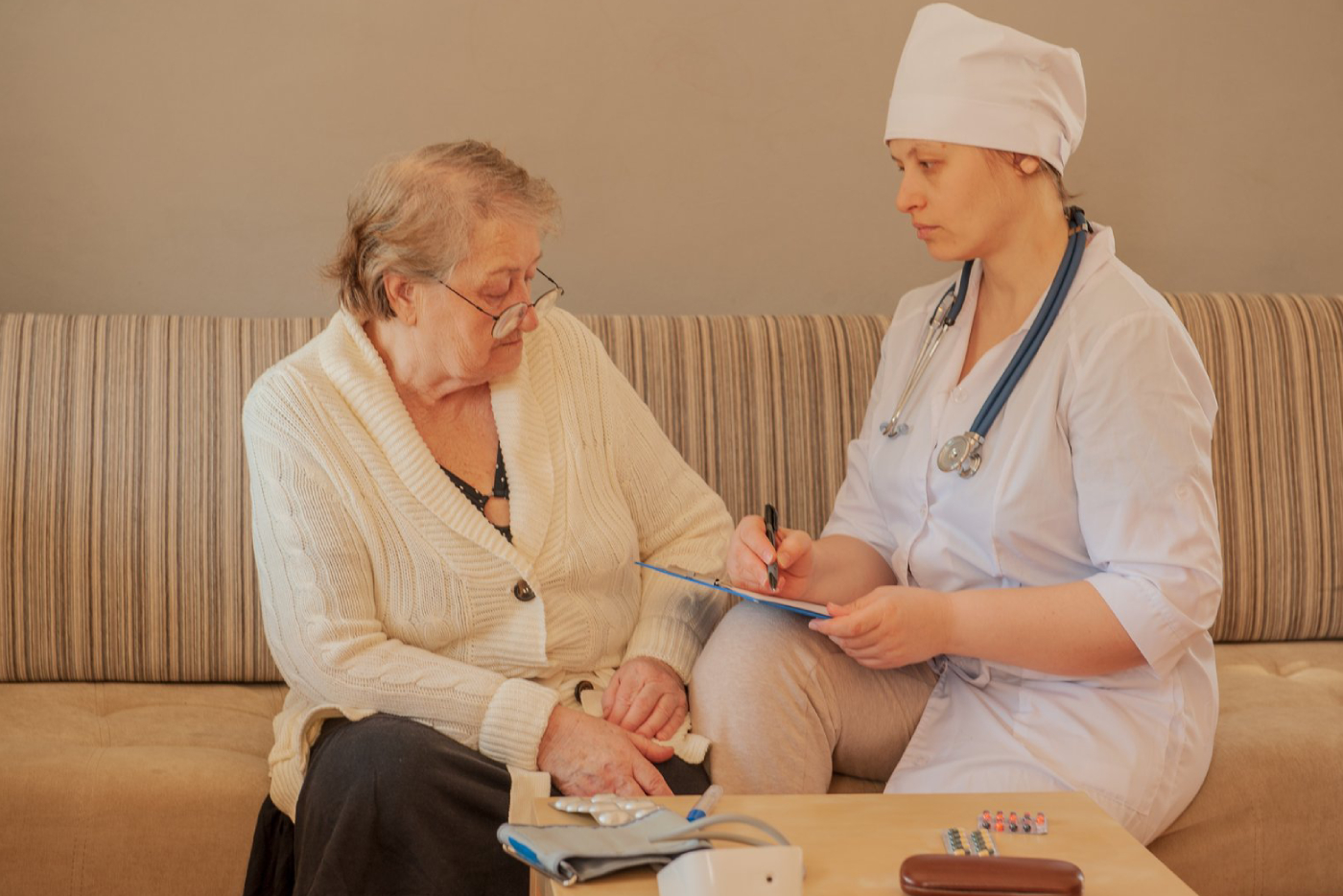








As people age, their healthcare needs become more complex and often require more than just a primary care doctor. Many conditions in older adults affect multiple organs at the same time and need expert evaluation. In a major city like Chicago, specialist referrals for seniors play an important role in ensuring accurate diagnosis, effective treatment, and long-term health management.
Specialist doctors focus on specific areas of medicine, such as the heart, brain, kidneys, or bones. For seniors, timely referral to the right specialist can significantly improve health outcomes and prevent complications.
In this blog, we will explore when seniors need specialist doctors, how referral systems work in geriatric care, how to choose the right specialist, and the importance of multidisciplinary care.
1. What Is a Specialist Doctor?
A specialist doctor is a physician who focuses on a specific area of medicine.
Examples include:
- Cardiologist (heart specialist)
- Neurologist (brain and nerves)
- Orthopedic specialist (bones and joints)
- Endocrinologist (hormones and diabetes)
- Nephrologist (kidneys)
These doctors provide advanced care for complex conditions.
2. When Seniors Need Specialist Doctors
Seniors may need specialist referrals when:
A. Chronic Diseases Get Worse
- Diabetes not controlled
- High blood pressure complications
- Heart disease progression
B. New or Severe Symptoms Appear
- Chest pain
- Sudden memory loss
- Severe joint pain
- Shortness of breath
C. Multiple Health Conditions Exist
Older adults often have more than one condition, requiring multiple specialists.
D. Treatment Is Not Working
If standard treatment fails, specialist care is needed.
3. Common Specialists for Elderly Patients
Cardiologist
- Heart disease
- Blood pressure issues
- Irregular heartbeat
Neurologist
- Dementia
- Stroke
- Memory loss
Orthopedic Doctor
- Arthritis
- Bone fractures
- Joint pain
Endocrinologist
- Diabetes
- Thyroid disorders
Pulmonologist
- Lung diseases
- Breathing problems
4. How Referral Systems Work in Geriatric Care
Referral systems usually follow this process:
Step 1: Primary Care Evaluation
The geriatric doctor first evaluates the patient.
Step 2: Initial Diagnosis
Basic tests and examination are done.
Step 3: Referral Decision
If needed, the patient is referred to a specialist.
Step 4: Specialist Consultation
The specialist performs advanced diagnosis and treatment.
Step 5: Follow-Up Care
Primary doctor continues overall care coordination.
5. Importance of Proper Referrals
Correct referrals ensure:
- Faster diagnosis
- Accurate treatment
- Reduced complications
- Better recovery outcomes
Wrong or delayed referrals can worsen health conditions.
6. Choosing the Right Specialist for Seniors
Important factors include:
Experience with Elderly Patients
Doctors familiar with geriatric care are more effective.
Specialization Area
Choose based on specific health condition.
Communication Skills
Doctors should explain treatment clearly.
Hospital or Clinic Quality
Advanced facilities improve care quality.
7. Importance of Multidisciplinary Senior Care
Multidisciplinary care means multiple doctors working together.
It may include:
- Primary care doctor
- Specialists
- Nurses
- Physical therapists
- Nutritionists
This approach ensures complete care.
8. Benefits of Multidisciplinary Care
It helps:
- Improve diagnosis accuracy
- Create better treatment plans
- Manage multiple diseases together
- Improve quality of life
9. Role of Technology in Referrals
Modern systems use:
- Electronic medical records
- Online referrals
- Digital test reports
This improves coordination between doctors.
10. Managing Multiple Conditions in Seniors
Many seniors have:
- Diabetes + heart disease
- Arthritis + hypertension
- Kidney issues + diabetes
Specialist care ensures all conditions are managed together.
11. Importance of Early Specialist Referral
Early referral helps:
- Detect serious diseases early
- Start treatment sooner
- Prevent complications
Delays can increase health risks.
12. Family Role in Specialist Care
Families support by:
- Scheduling specialist visits
- Helping understand treatment plans
- Ensuring follow-ups
- Managing medications
Family involvement improves outcomes.
13. Specialist Care in Chicago Healthcare System
In a city like Chicago, specialist care is important because:
- Advanced hospitals are available
- Seniors have access to multiple specialists
- Referral systems are well established
This improves treatment efficiency.
14. Challenges in Specialist Referrals
Some challenges include:
- Delayed referrals
- Multiple appointments
- Confusion in treatment plans
Proper coordination solves these issues.
15. Future of Geriatric Specialist Care
Future improvements include:
- AI-based diagnosis support
- Faster referral systems
- Integrated care platforms
- Personalized medicine
This will further improve senior healthcare.
Conclusion
Specialist referrals are a vital part of geriatric care. They ensure that seniors receive expert treatment for complex conditions and benefit from coordinated medical care.
For families in Chicago, timely referral to the right specialist improves diagnosis accuracy, treatment success, and overall quality of life.