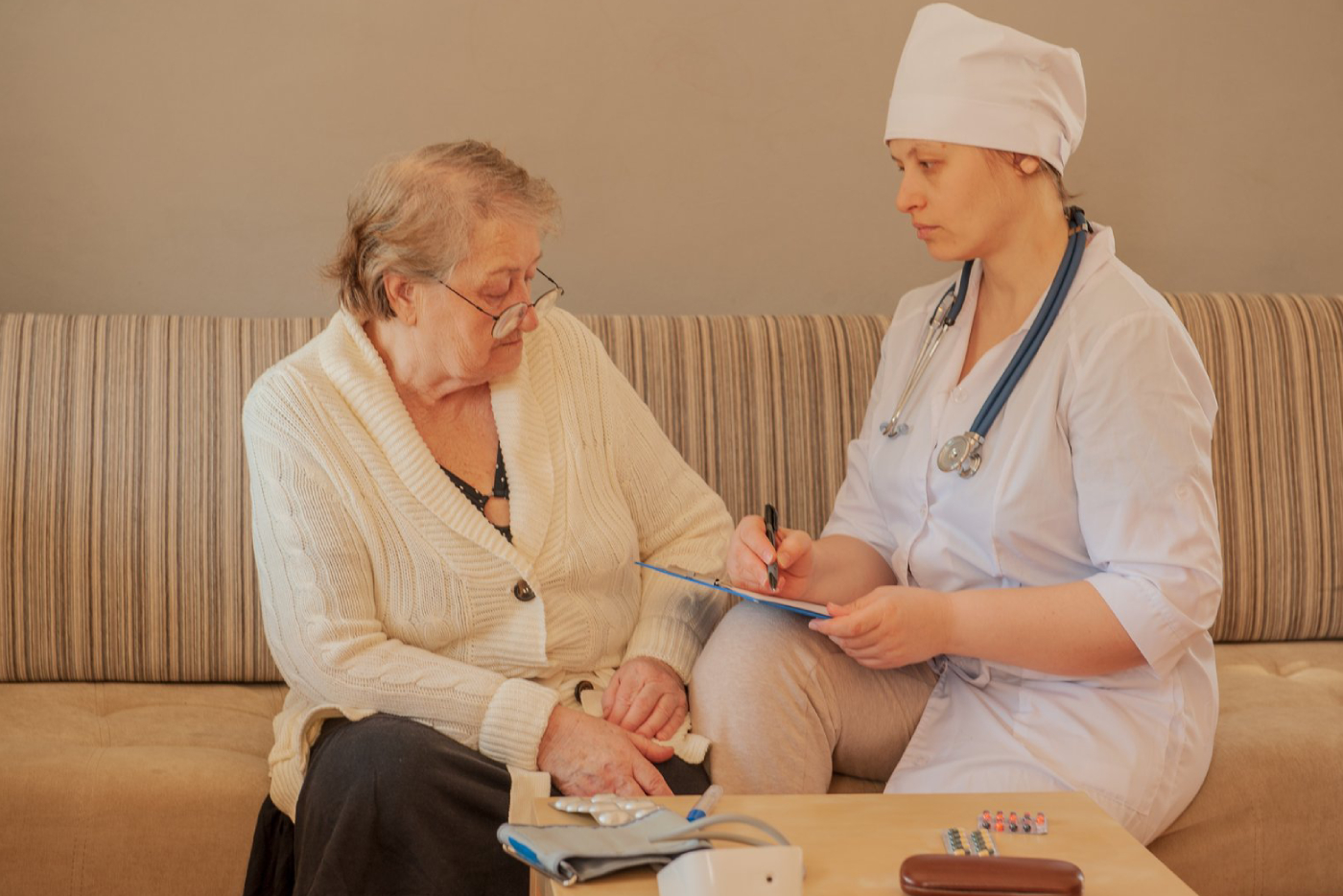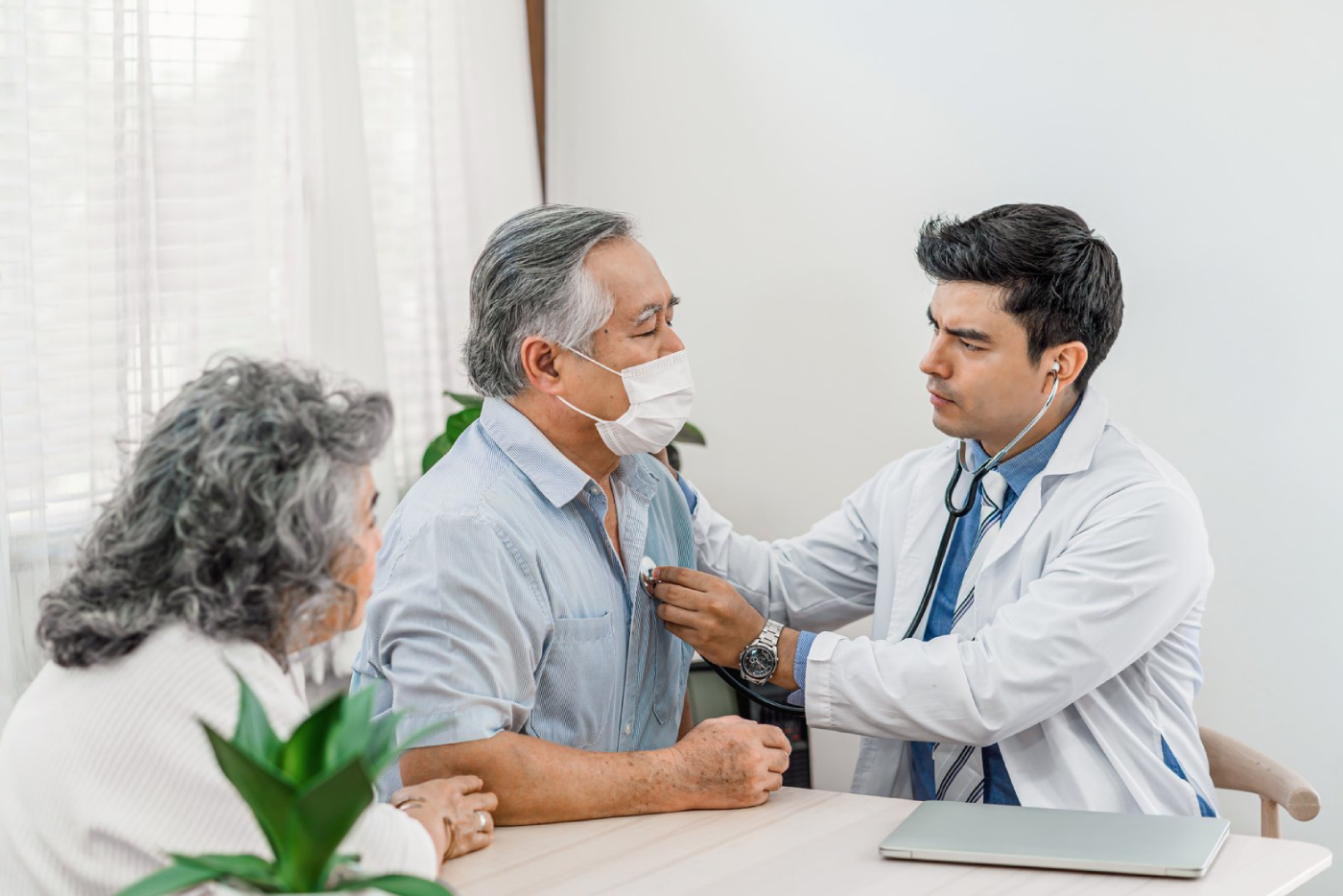

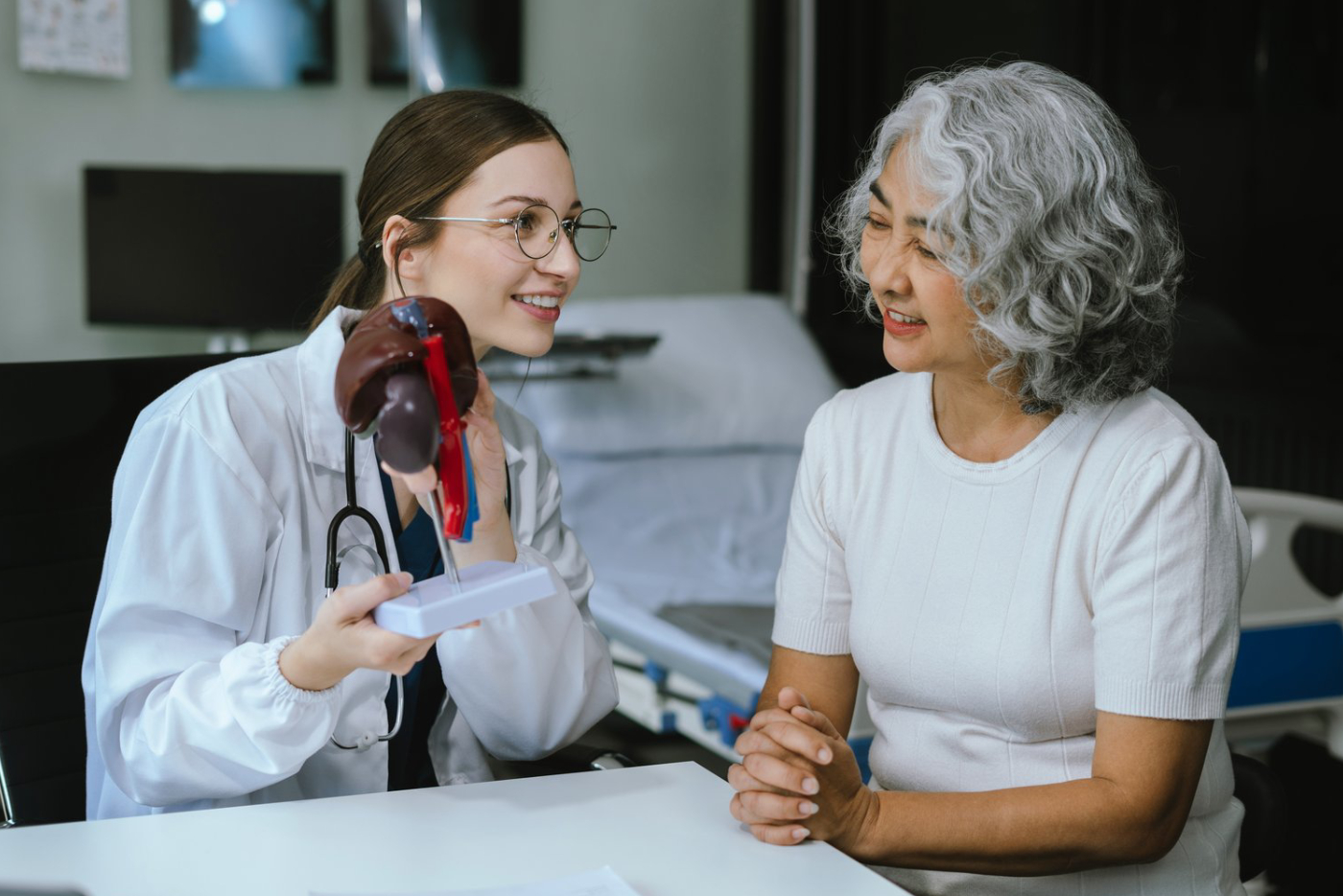

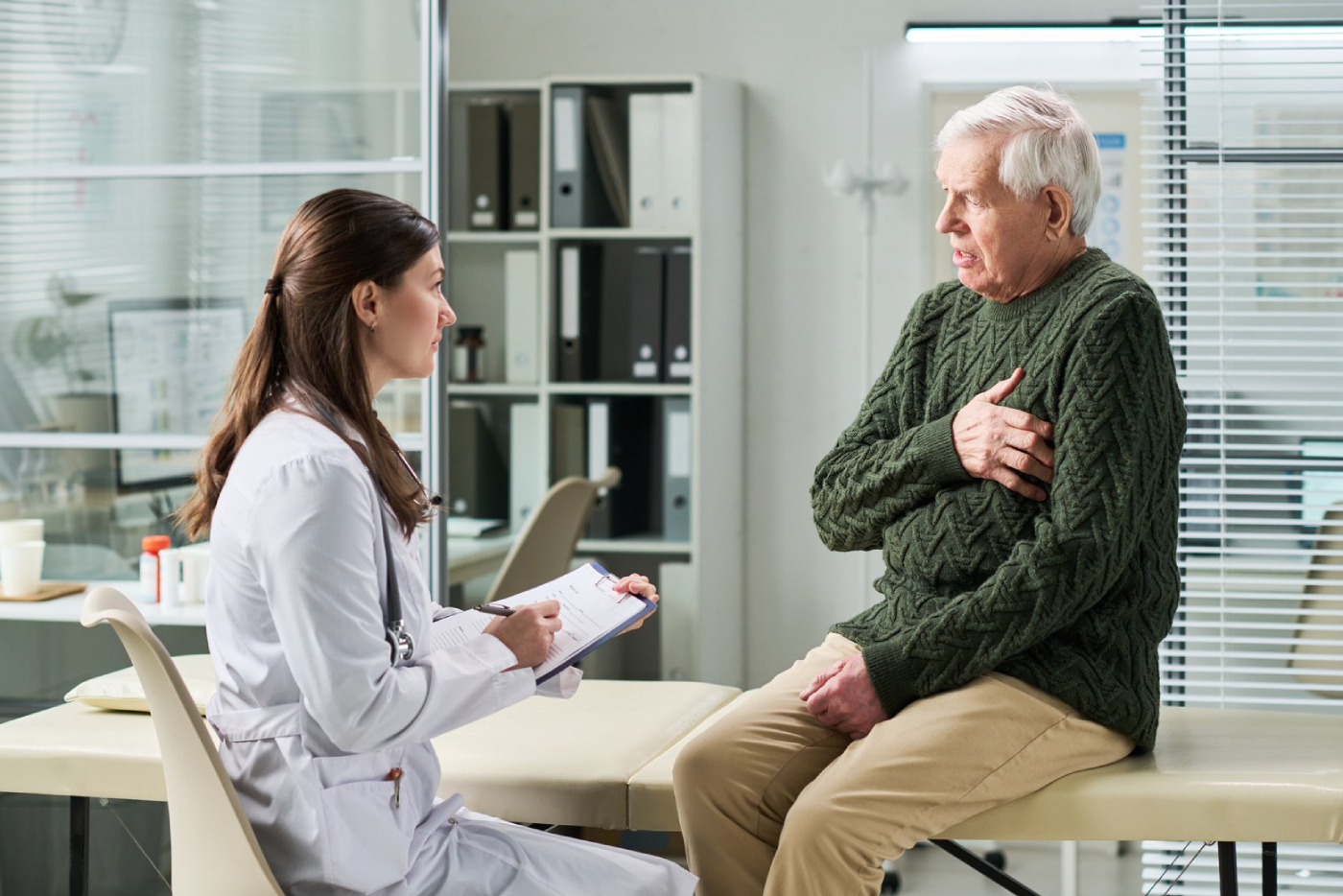


As people age, their health needs become more complex and require consistent monitoring. In a major city like Chicago, seniors often face chronic conditions, lifestyle-related diseases, and age-related physical changes that may not show symptoms in early stages.
This is why routine senior wellness exams are essential. These regular checkups help detect health issues early, manage existing conditions, and ensure long-term well-being.
In this blog, we will explore why routine wellness exams are so important for seniors and how they support healthy aging.
1. What Are Routine Senior Wellness Exams?
Routine wellness exams are comprehensive health checkups designed specifically for older adults.
They typically include:
- Physical examination
- Blood tests
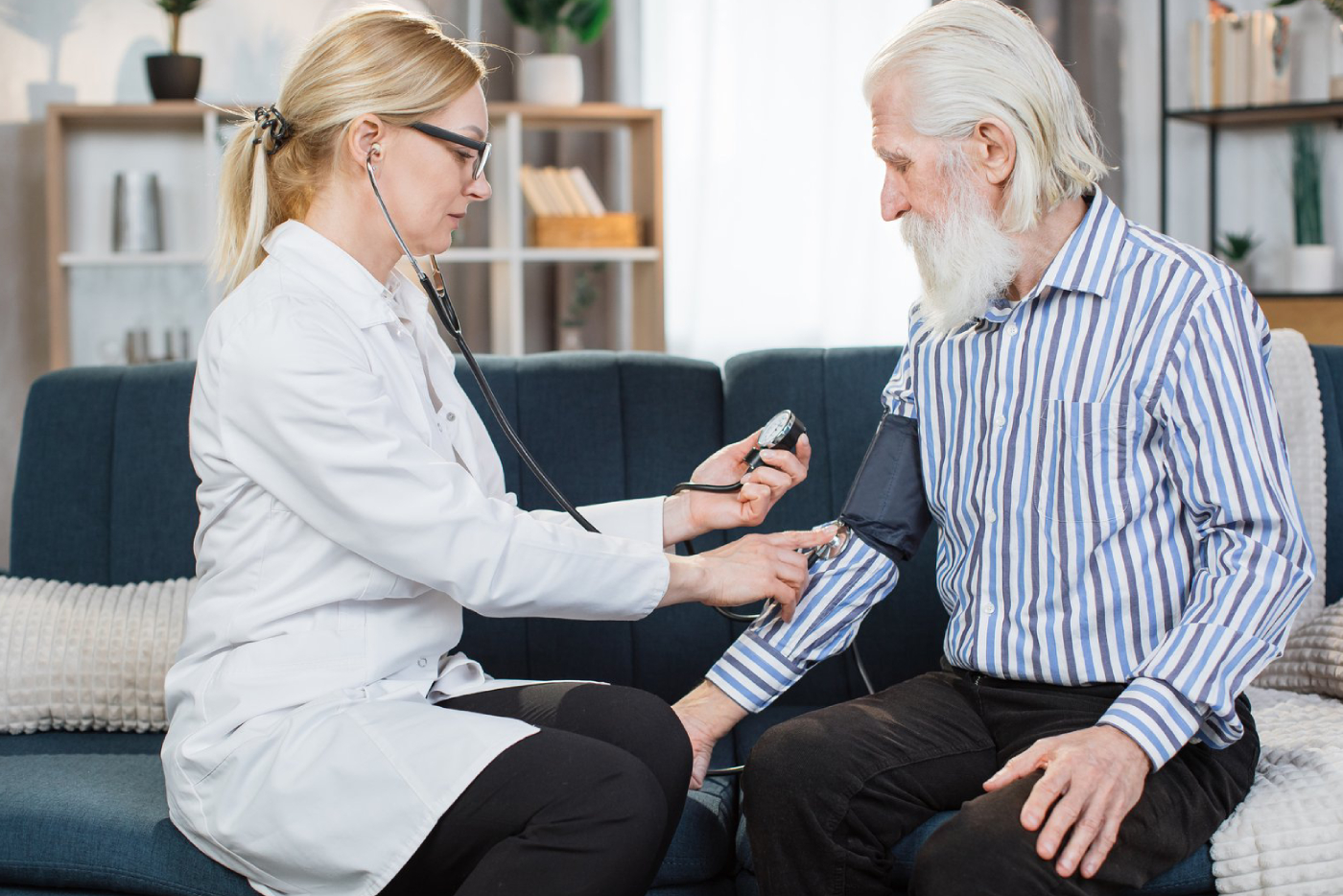
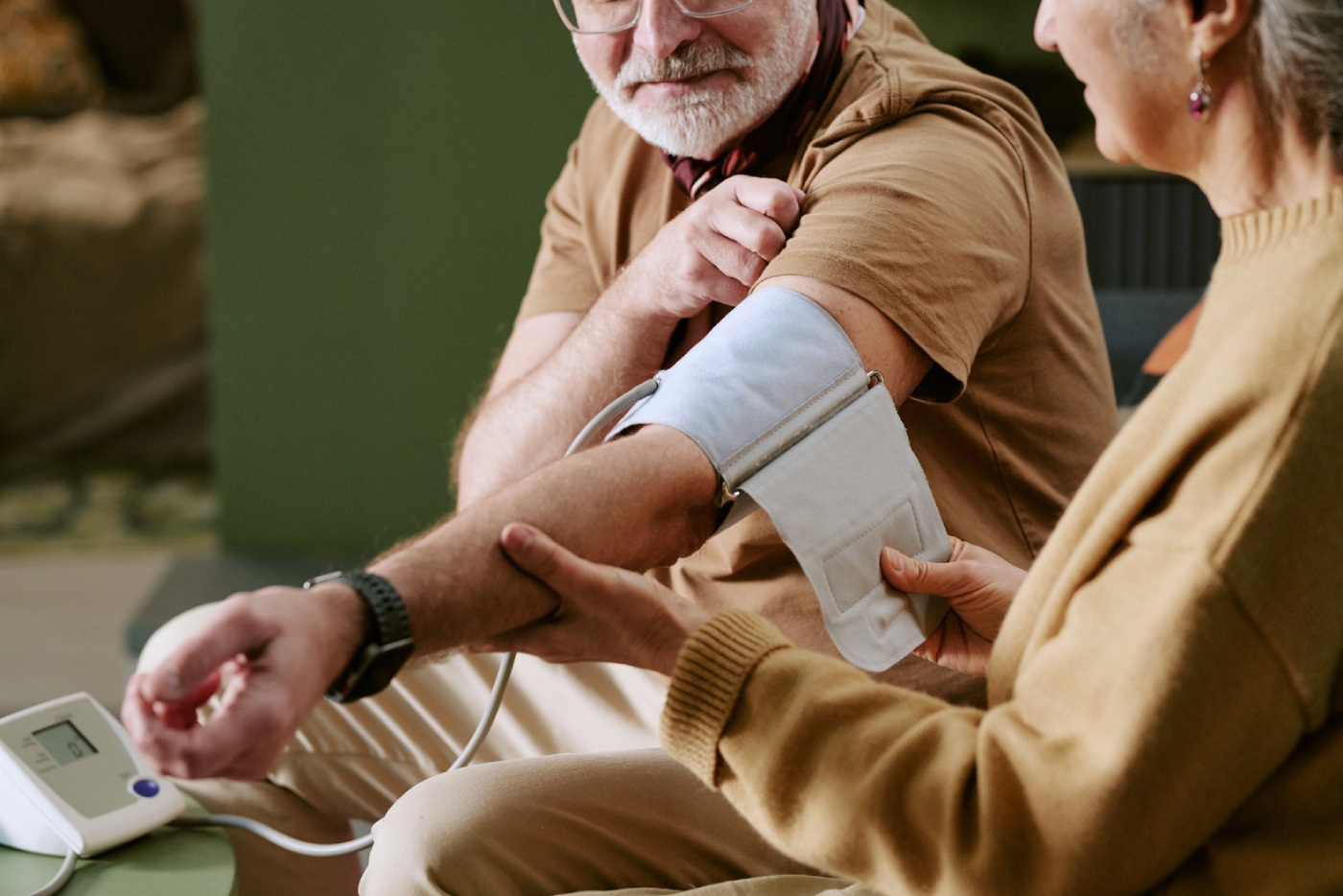
- Vital signs monitoring
- Chronic disease screening
- Cognitive assessment
The goal is to evaluate overall health and detect potential risks early.
2. Early Detection of Health Issues
One of the biggest benefits of wellness exams is early detection.
Many diseases develop silently, such as:
- High blood pressure
- Diabetes
- Heart disease
- Kidney disorders
- Cancer
Routine exams help identify these conditions before symptoms appear, allowing timely treatment.
3. Better Management of Chronic Conditions
Most seniors live with at least one chronic illness.
Wellness exams help doctors:
- Track disease progression
- Adjust medications
- Monitor symptoms
- Prevent complications
This ensures better long-term disease control.
4. Monitoring Vital Health Indicators
Routine exams include checking essential health markers such as:
- Blood pressure
- Blood sugar levels
- Cholesterol levels
- Heart rate
These indicators provide a clear picture of overall health.
5. Cognitive and Mental Health Screening
Mental health is an important part of senior wellness.
Doctors may evaluate:
- Memory function
- Mood changes
- Early signs of dementia
- Anxiety or depression
Early detection helps improve emotional well-being and treatment outcomes.
6. Prevention of Medical Emergencies
Routine exams reduce the risk of sudden health crises.
For example:
- Uncontrolled blood pressure can cause stroke
- High sugar levels can lead to complications
- Heart issues can result in emergencies
Regular monitoring helps prevent these situations.
7. Medication Review and Safety
Many seniors take multiple medications daily.
Wellness exams allow doctors to:
- Review prescriptions
- Check for drug interactions
- Adjust dosages
- Remove unnecessary medications
This improves safety and reduces side effects.
8. Bone and Mobility Health Assessment
As seniors age, bone strength decreases.
Wellness exams may include:
- Bone density testing
- Mobility evaluation
- Fall risk assessment
This helps prevent fractures and injuries.
9. Importance of Lifestyle Evaluation
Doctors also review lifestyle habits during wellness exams, including:
- Diet
- Exercise
- Sleep patterns
- Stress levels
This helps guide healthier daily routines.
10. Vaccination and Preventive Care
Routine checkups ensure seniors are up to date on vaccines such as:
- Flu shots
- Pneumonia vaccine
- Shingles vaccine
- COVID boosters
This strengthens immunity and prevents infections.
11. How Often Should Seniors Get Health Exams?
The frequency depends on health condition:
- Healthy seniors: once a year
- Chronic conditions: every 3–6 months
- High-risk patients: as recommended by doctors
Regular monitoring ensures continuous health stability.
12. Reduced Hospital Visits
Routine exams help prevent serious conditions, which reduces:
- Emergency room visits
- Hospital admissions
- Long-term complications
This improves both health outcomes and cost efficiency.
13. Emotional and Psychological Benefits
Regular wellness exams also provide emotional reassurance.
Seniors feel:
- More secure about their health
- Less anxious about unknown illnesses
- More confident in daily life
Mental peace is an important part of aging well.
14. Importance in Chicago Healthcare System
In a busy healthcare environment like Chicago, routine wellness exams are especially important because:
- Seniors may delay care
- Chronic diseases are common
- Healthcare systems are busy
Regular checkups ensure consistent and proactive care.
15. Role of Family in Routine Checkups
Family support helps ensure seniors stay consistent with wellness exams.
Families can:
- Schedule appointments
- Track health records
- Encourage regular monitoring
- Support healthy habits
This improves overall care quality.
Conclusion
Routine senior wellness exams are essential for maintaining long-term health, preventing diseases, and improving quality of life. They provide early detection, better disease management, and continuous health monitoring.
For seniors in Chicago, these exams are a key part of safe, healthy, and independent aging.