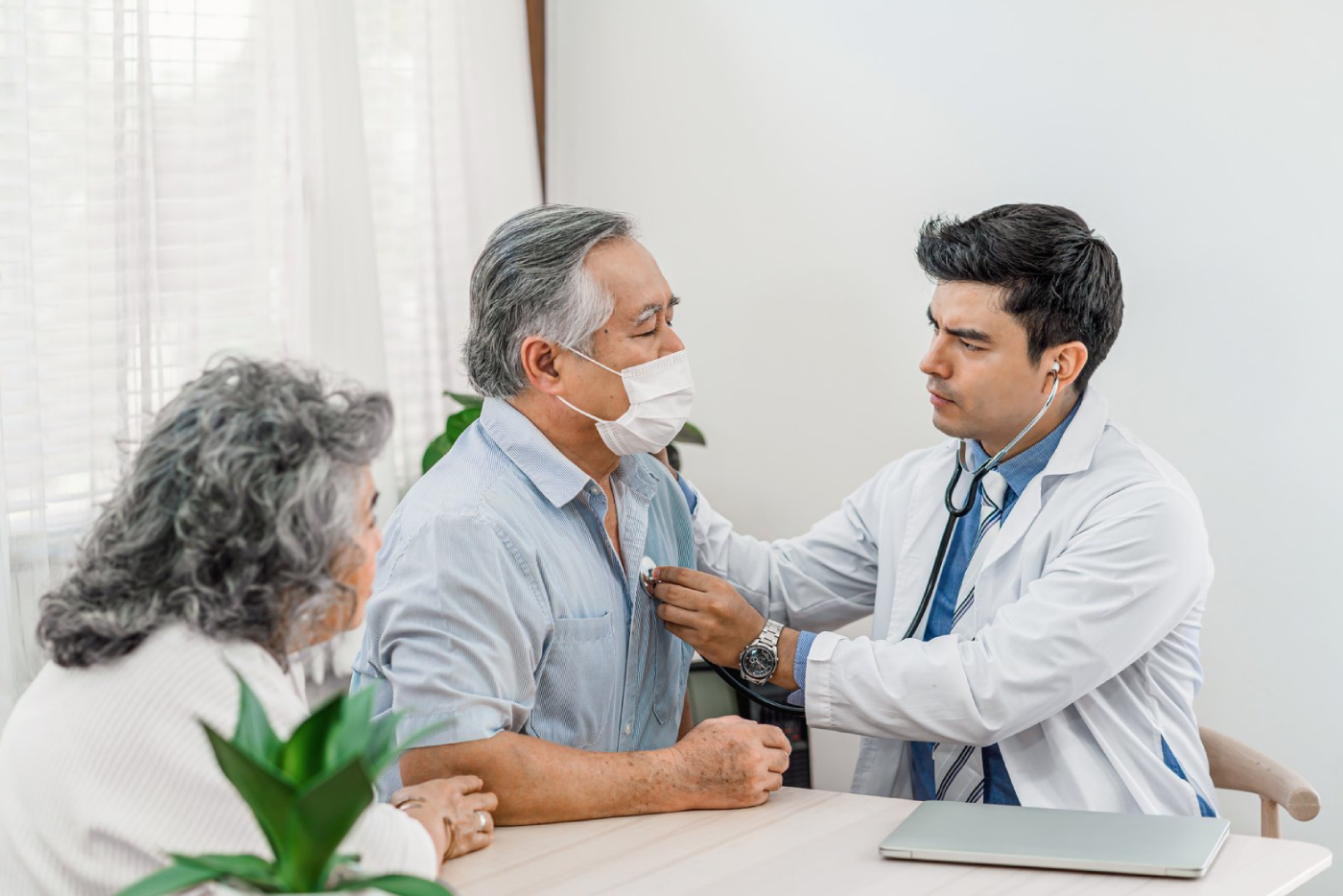

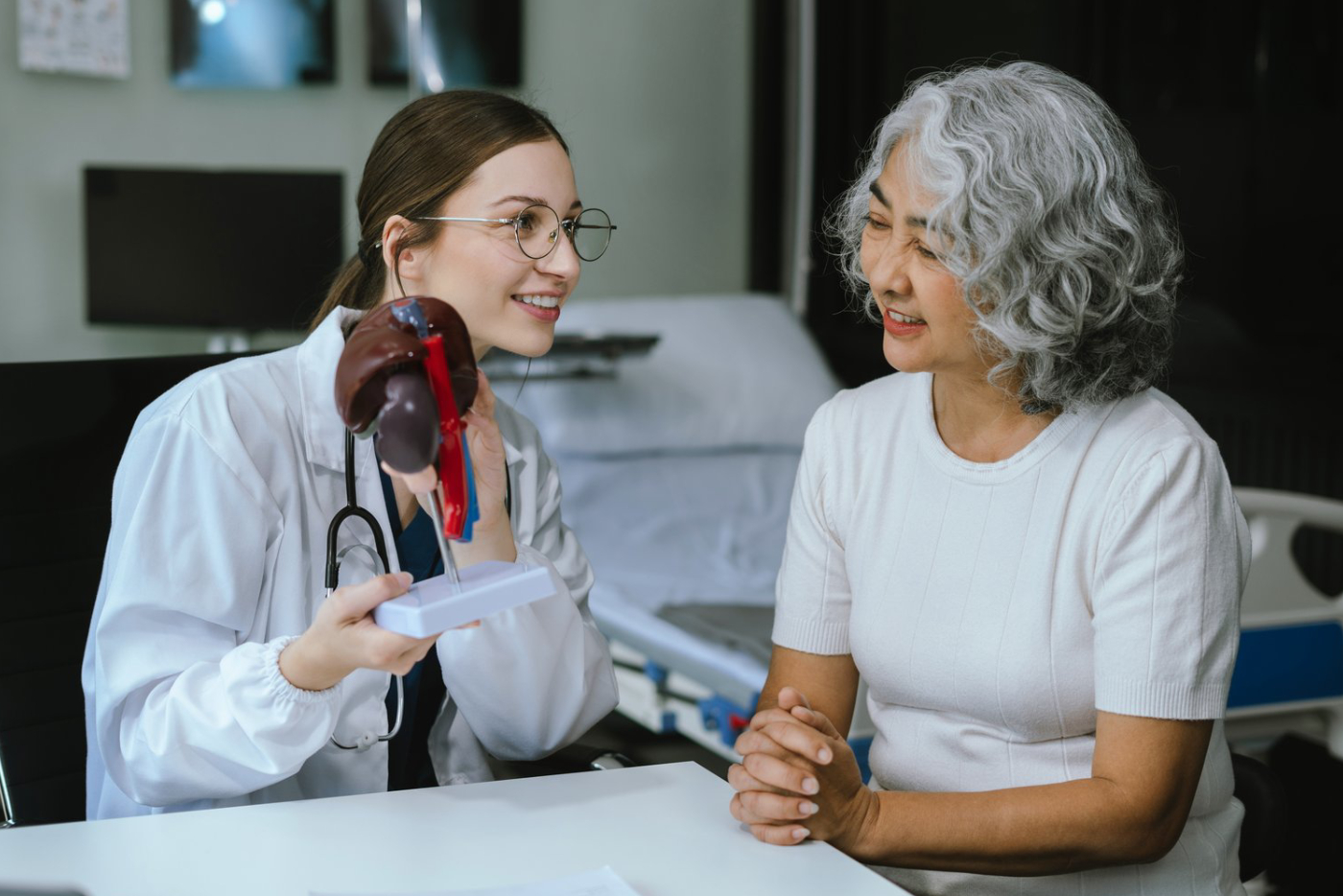

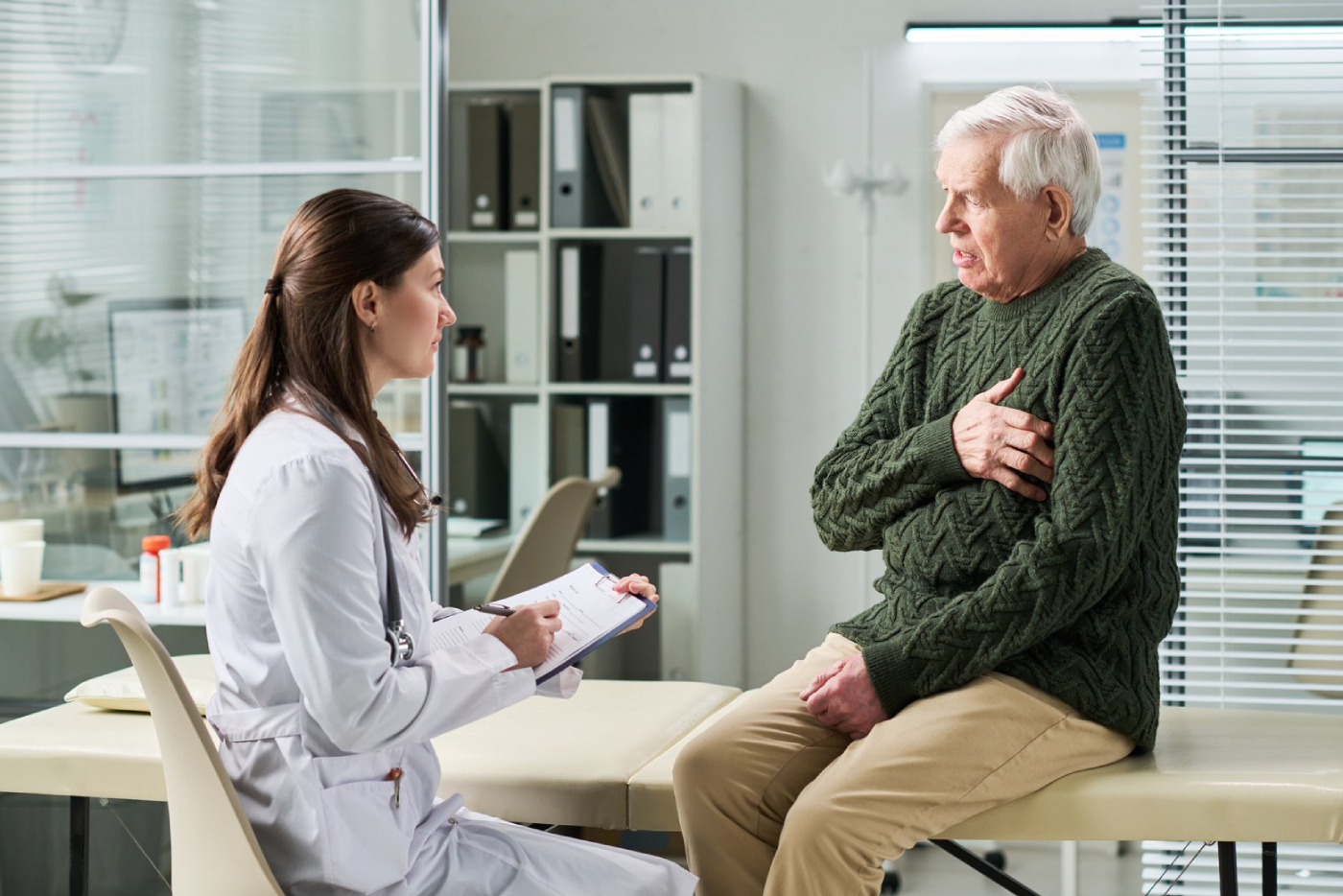


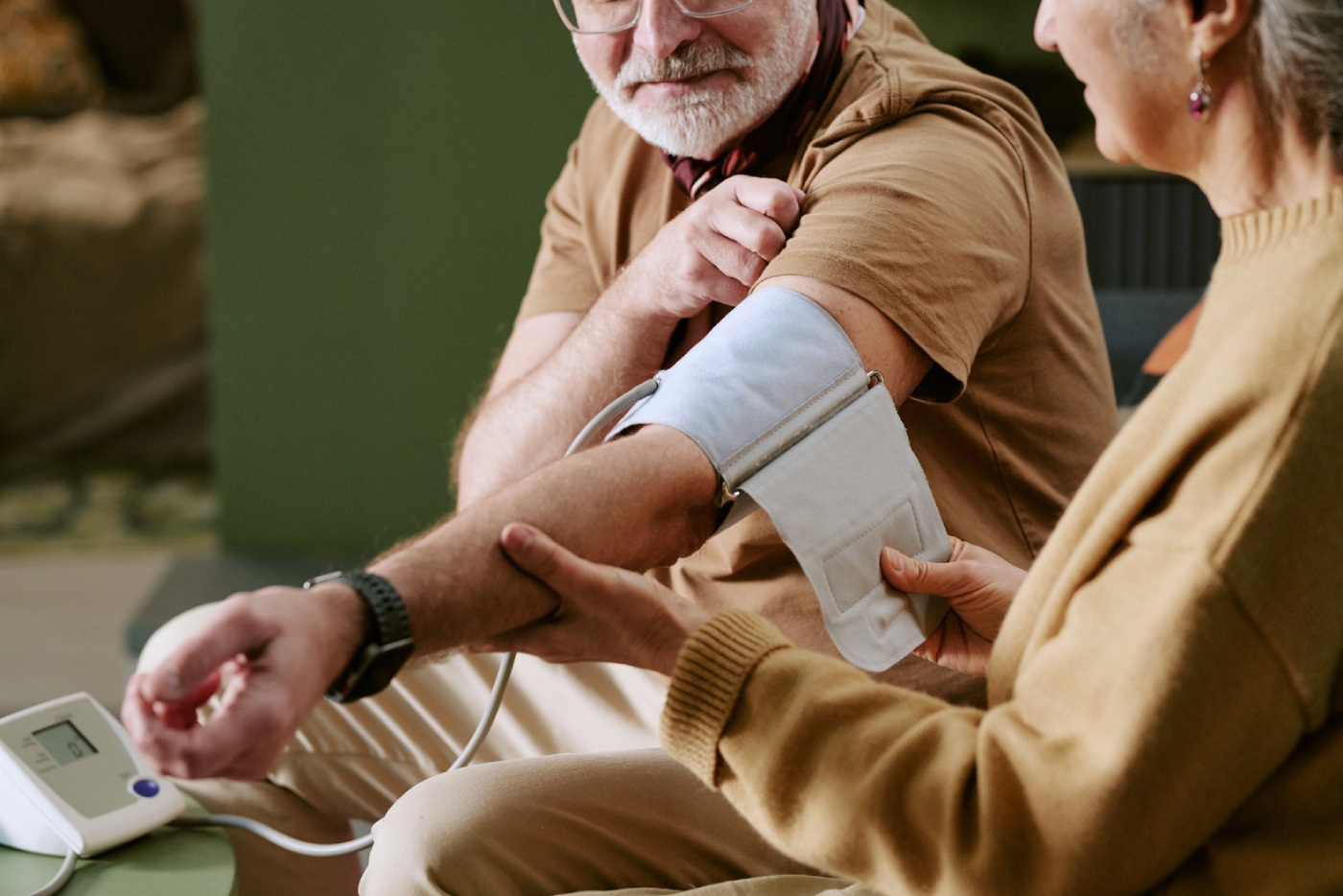

As people age, their bodies go through natural changes that increase the risk of chronic diseases, mobility issues, and cognitive decline. In a busy city like Chicago, seniors often face additional challenges such as stress, lifestyle-related illnesses, and difficulty managing multiple healthcare needs.
Regular health checkups are one of the most effective ways to ensure seniors stay healthy, independent, and safe. These checkups are not just routine visits—they are essential preventive tools that help detect problems early and improve long-term outcomes.
In this blog, we will explain why regular health checkups are so important for seniors and how they contribute to better aging and quality of life.
1. Early Detection of Diseases
One of the biggest benefits of regular health checkups is early disease detection.
Many serious conditions develop slowly and show no symptoms in the beginning, such as:
- Diabetes
- High blood pressure
- Heart disease
- Kidney problems
- Cancer
Regular screenings help identify these conditions before they become severe.
Early detection allows:
- Faster treatment
- Better recovery chances
- Lower medical costs
- Reduced complications
In many cases, early diagnosis can be life-saving.
2. Better Management of Chronic Conditions
Most seniors live with at least one chronic condition, and many have multiple.
Common chronic diseases include:
- Diabetes
- Hypertension
- Arthritis
- Heart disease
Regular checkups allow doctors to:
- Monitor disease progression
- Adjust medications
- Prevent complications
- Improve symptom control
Without regular monitoring, these conditions can worsen silently.
3. Prevention of Serious Health Complications
Regular health checkups help prevent serious medical emergencies.
For example:
- Uncontrolled blood pressure can lead to stroke
- High blood sugar can lead to kidney failure
- Heart issues can lead to sudden cardiac events
Routine monitoring ensures these risks are identified early and managed properly.
Prevention is always safer and more cost-effective than emergency treatment.
4. Medication Safety and Review
Many seniors take multiple medications daily. This increases the risk of:
- Drug interactions
- Side effects
- Overmedication
- Confusion in dosage
During regular checkups, doctors review all medications to ensure safety.
They may:
- Remove unnecessary drugs
- Adjust dosages
- Replace unsafe medications
- Simplify treatment plans
This improves both safety and effectiveness of care.
5. Monitoring Mental and Cognitive Health
Mental health is just as important as physical health in aging.
Regular checkups help detect early signs of:
- Memory loss
- Dementia
- Alzheimer’s disease
- Depression
- Anxiety
Early intervention helps slow progression and improves quality of life.
Family members also benefit from early awareness and planning.
6. Maintaining Mobility and Independence
As seniors age, mobility can decline due to:
- Arthritis
- Muscle weakness
- Balance problems
- Neurological conditions
Regular checkups include mobility assessments to:
- Prevent falls
- Improve strength and balance
- Recommend physical therapy
- Suggest assistive devices
Maintaining mobility is key to preserving independence.
7. Improved Quality of Life
Regular health checkups contribute directly to better quality of life by:
- Reducing pain and discomfort
- Improving energy levels
- Enhancing mental clarity
- Supporting emotional well-being
Healthy seniors are more active, social, and independent.
8. Preventive Care and Vaccinations
Preventive care is a major part of senior health checkups.
Doctors may recommend:
- Flu vaccines
- Pneumonia vaccines
- Shingles vaccine
- Routine screenings
These preventive measures help protect seniors from serious infections and complications.
9. Reduced Hospital Visits and Emergencies
One of the most important benefits of regular checkups is fewer hospital visits.
With consistent monitoring:
- Health issues are caught early
- Chronic conditions are controlled
- Emergency situations are reduced
This leads to safer and more stable health outcomes.
10. Better Coordination of Healthcare
Many seniors see multiple doctors for different conditions.
Regular checkups help:
- Coordinate treatments
- Avoid conflicting prescriptions
- Maintain updated medical records
- Improve communication between specialists
This is especially important in complex healthcare systems like Chicago.
11. Emotional and Psychological Support
Regular visits also provide emotional reassurance.
Doctors can help seniors:
- Manage stress
- Address loneliness
- Identify depression early
- Improve sleep quality
Emotional well-being is closely linked to physical health.
12. Encouraging Healthy Lifestyle Changes
Health checkups provide an opportunity to improve lifestyle habits.
Doctors may advise:
- Healthier diet plans
- Regular physical activity
- Better sleep routines
- Smoking or alcohol reduction
Small lifestyle changes can significantly improve long-term health.
13. Cost Savings in the Long Run
While regular checkups may seem like an expense, they actually save money by:
- Preventing hospital admissions
- Reducing emergency treatments
- Avoiding advanced-stage disease treatment
Preventive care is always more affordable than emergency care.
14. Peace of Mind for Families
Regular health checkups also provide peace of mind for families.
They ensure that:
- Seniors are being properly monitored
- Health risks are under control
- Medical care is consistent and reliable
This reduces stress for both seniors and caregivers.
Conclusion
Regular health checkups are essential for seniors because they ensure early detection, better disease management, and improved quality of life. They help prevent complications, reduce hospital visits, and support healthy aging.
In a city like Chicago, where healthcare needs can be complex, consistent medical monitoring is one of the most important steps toward safe and independent living.
Families should prioritize regular checkups as a core part of senior care.